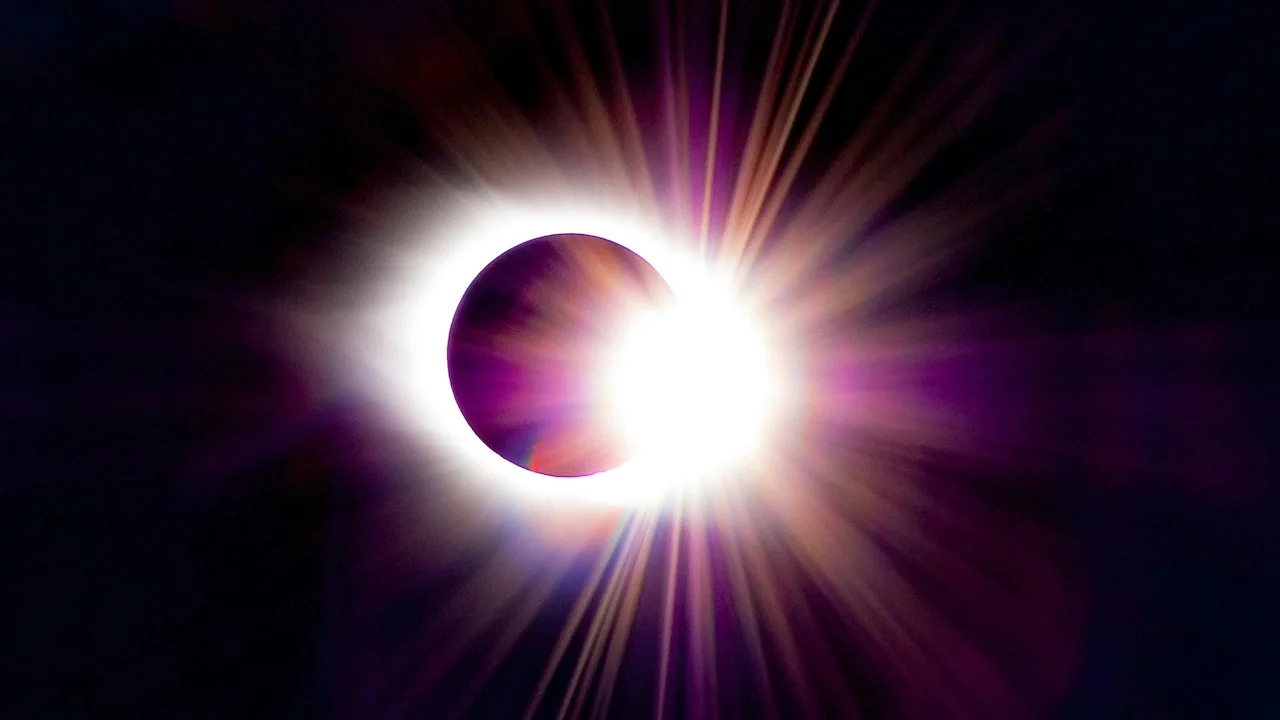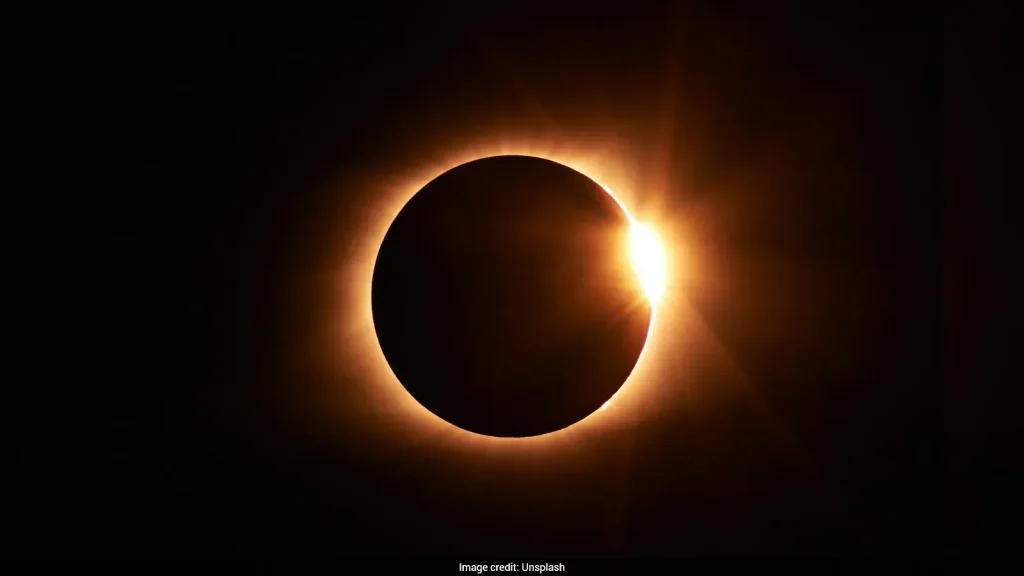
The eclipse will sweep across Greenland, Iceland, northern Russia, the Atlantic Ocean, Spain, and a small corner of Portugal. Total solar eclipse 2026: Stargazers across the world are excited about the total solar eclipse, a spectacular celestial event which will take place on August 12.
Many other places in the Northern Hemisphere will experience a partial solar eclipse that day, including parts of the northern US (from Alaska to North Carolina), most of Canada, much of Europe, and northwestern Africa, according to NASA .
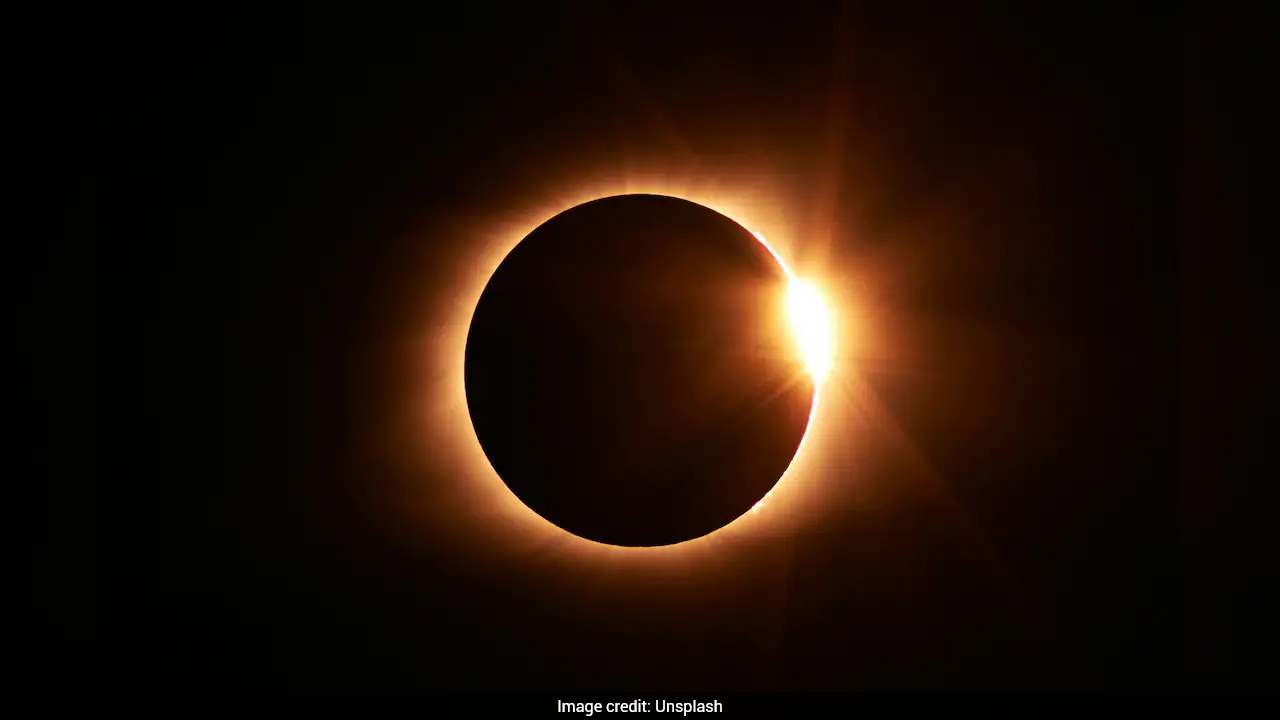
A total solar eclipse occurs when the Moon passes directly between the Earth and the Sun, completely blocking the face of the Sun from view. During a total solar eclipse, the sky darkens dramatically as if it were dawn or dusk, temperatures drop, and stars or planets may temporarily become visible in the middle of the day. Witnessing a total solar eclipse is a breathtaking experience, but watching it without proper eye protection can cause permanent eye damage. To enjoy the phenomenon safely, keep these simple, NASA-recommended guidelines in mind. Know when to look directly: You must wear solar glasses during all partial phases of the eclipse. The only time it is safe to remove them is during totality, the brief period when the Moon completely covers the Sun’s face. Put your glasses back on the second the Sun starts to reappear.
“Weather permitting, people in the path of a total solar eclipse can see the Sun’s corona, the outer atmosphere, which is otherwise usually obscured by the bright face of the Sun,” wrote NASA. “A total solar eclipse is the only type of solar eclipse where viewers can momentarily remove their eclipse glasses (which are not the same as regular sunglasses) for the brief period of time when the Moon is completely blocking the Sun,” NASA wrote.