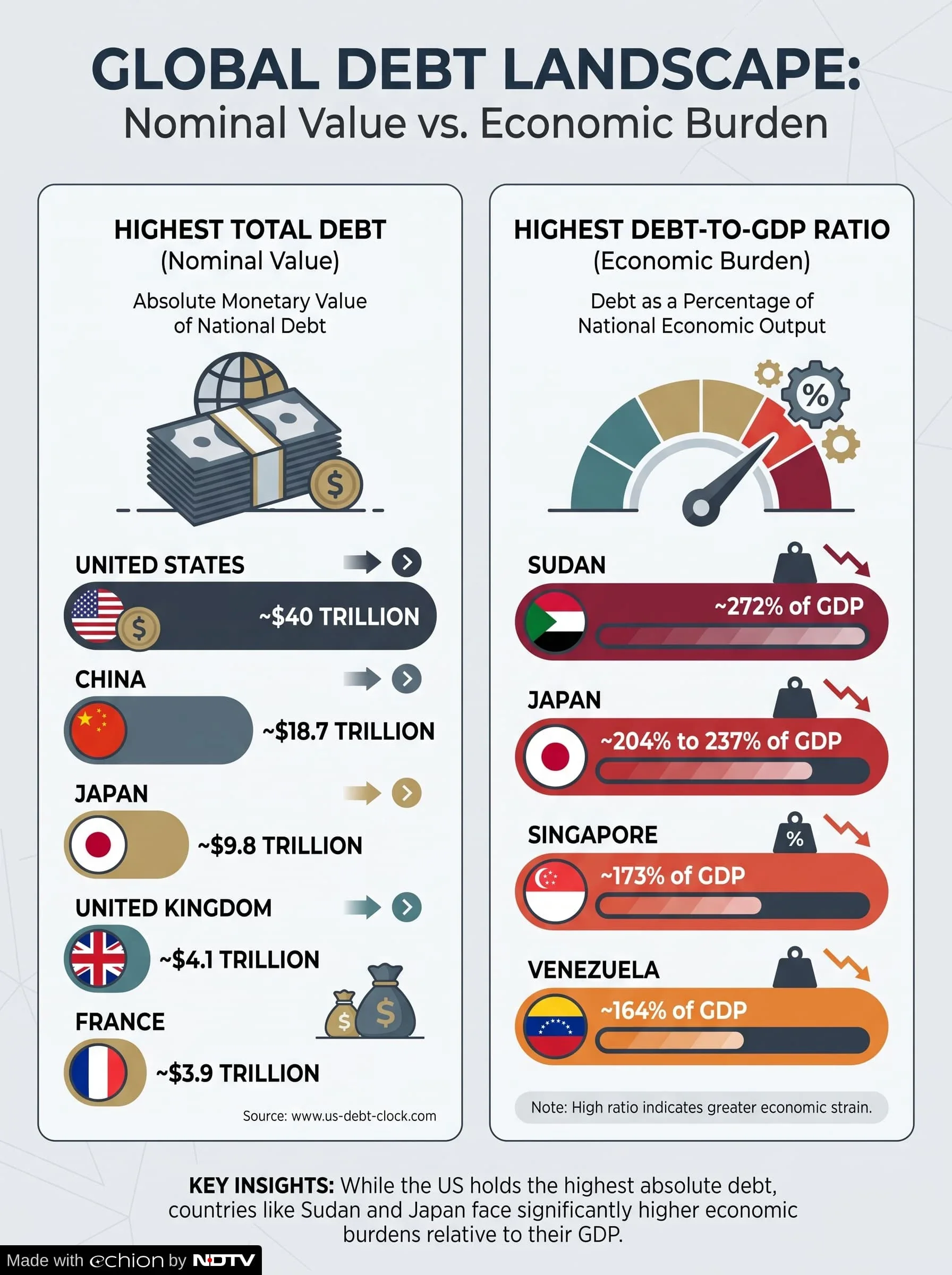
The US national debt has crossed a number that is difficult to ignore — $40 trillion.
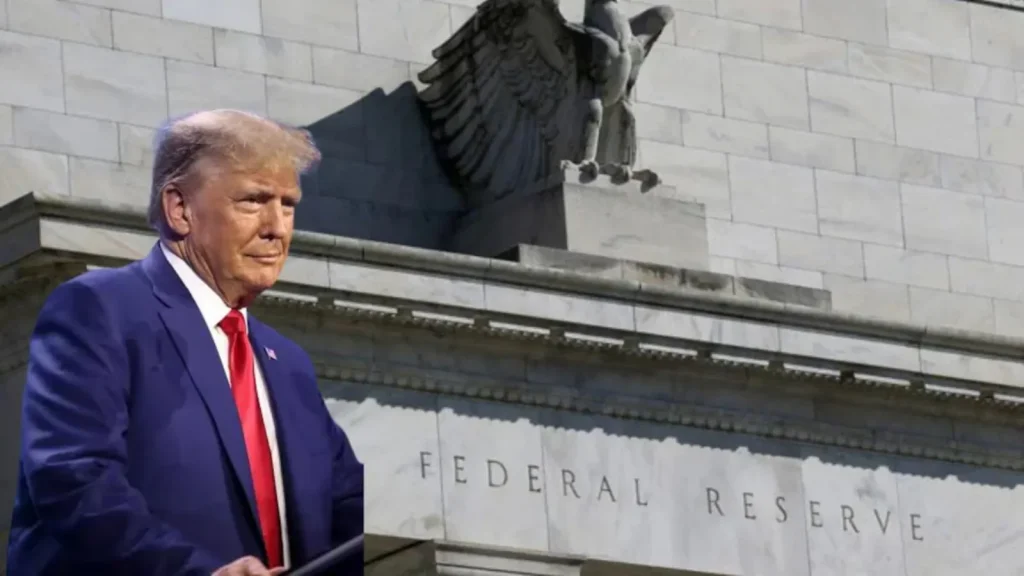
Significantly, the country’s debt has soared at a time when its cost of borrowing remains elevated. Besides, long-term US Treasury yields have also climbed to levels not seen in decades, adding to the government’s interest burden. Against this backdrop, US President Donald Trump has once again argued that America should be paying much less to borrow. Attacking the US Federal Reserve, the US President accused Fed officials of having political motives. If the US can borrow at lower rates, its annual interest bill would fall sharply. This could free up money for other government spending and help ease pressure on the federal budget. But there is a catch. The US does not decide Treasury yields on its own. Investors do. When investors demand higher returns to hold long-term US government bonds, America’s borrowing costs rise. And with the debt pile getting bigger, even a small increase in borrowing costs can translate into a massive increase in interest payments. The government is already spending more on interest payments than on national defence.
Less than a week ago, US 30-year Treasury yields recently touched 5.22 per cent, the highest level since 2001. Gaurav Garg, Head – Research, Lemonn, said the $40 trillion figure needs to be viewed in context. The US economy is roughly $30 trillion in size and the dollar’s reserve-currency status gives America more room to borrow, according to him. Earlier reporting noted: Total public debt outstanding stood at $40.05 trillion at the close of business Tuesday, according to data released Wednesday by the Treasury Department. Earlier reporting noted: The US gross national debt has surged past $40 trillion for the first time, government data showed Wednesday, outstripping earlier forecasts at a pace fuelled in part by President Donald Trump’s invalidated tariffs.
He said the US should be paying the “lowest interest rate, by far” on its bonds. “Lower borrowing costs could save the government a huge amount of money,” said Trump. However, Trump said Fed Chairman Kevin Warsh, whom he nominated to the top position earlier this year, is doing a “great job”. “$40 trillion is a huge number, but debt itself is not necessarily the problem,” Garg said. “Debt can be productive when it funds infrastructure, technology and investments that create future growth,” Garg said.