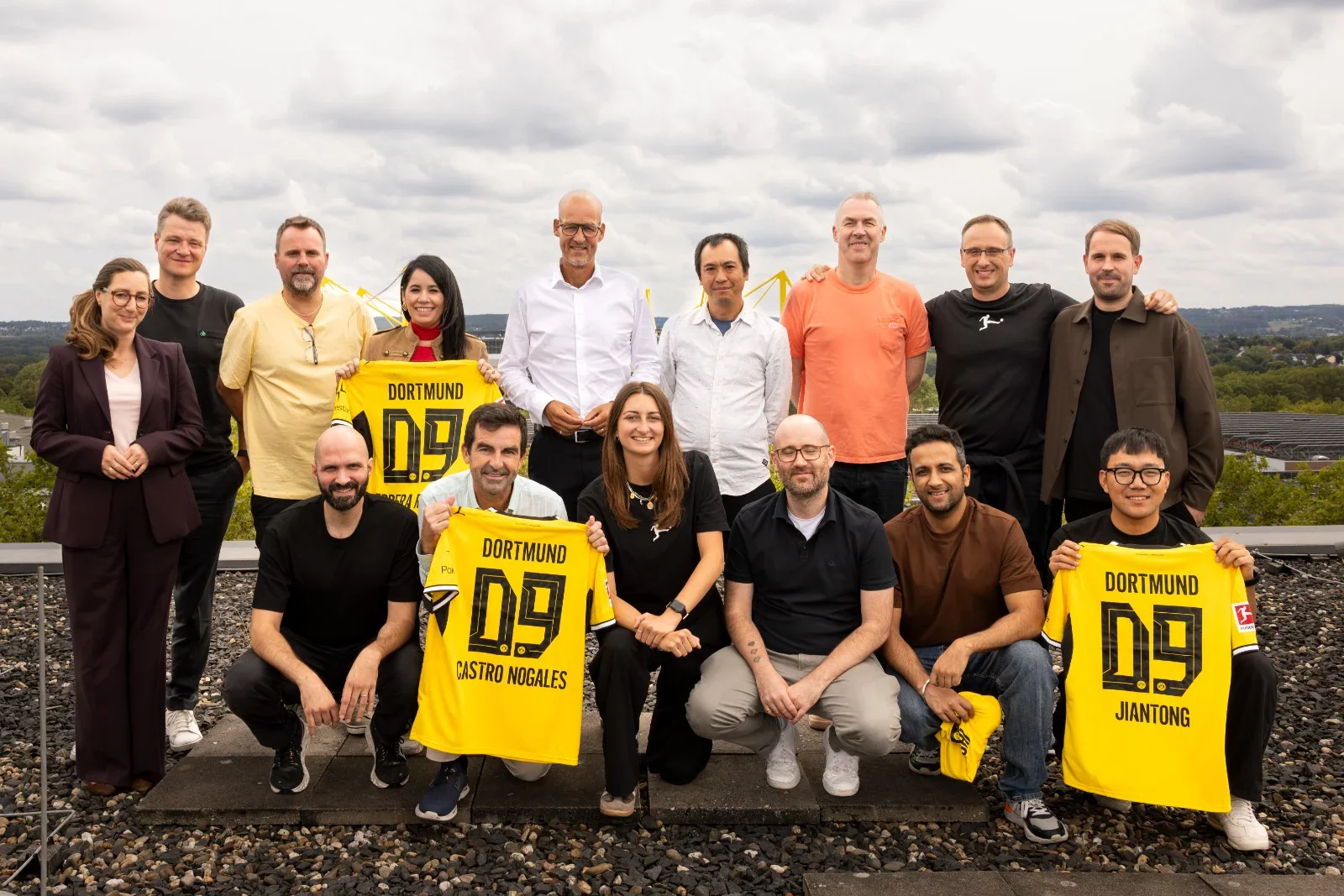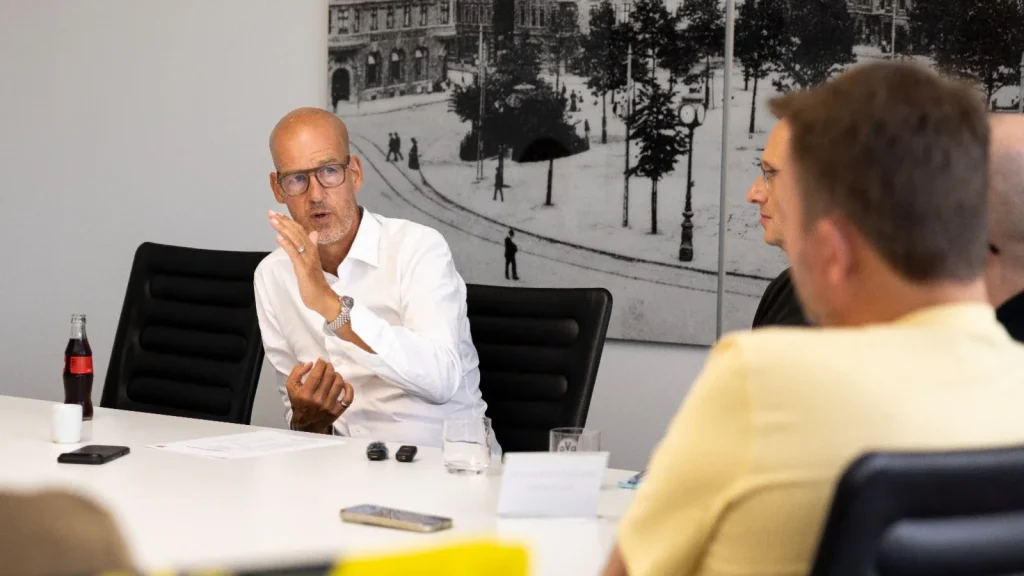
Borussia Dortmund have built a formidable presence across Asia, with the Bundesliga giants regularly travelling to markets such as Japan for pre-season tours and commercial activities. India, despite its enormous population and growing interest in football, remains an untapped opportunity, not just for Dortmund but the entire Bundesliga. The club’s CEO Carsten Cramer, however, believes that could change, provided Dortmund finds the right moment and, more importantly, the right strategy to enter the Indian market.
Speaking to NDTV during a visit to Germany ahead of the Franz Beckenbauer Super Cup, Cramer joked that no one has invited him yet from India. “You didn’t invite me yet. If you would send me an invitation, I would seriously consider to come to India. The biggest question that often goes unanswered in those meetings is what is the right time to enter. “When is the right moment to make the first step into India? “But from a club perspective of a club like Dortmund, whenever we make a first step, we know that a second and third have to follow. For Cramer, simply bringing Dortmund’s star-studded first team to India for a one-off exhibition or pre-season match would not be enough. The club wants to ensure that any entry into the Indian market is sustainable and capable of creating long-term relevance. The conversation, however, may not remain theoretical for much longer. The BVB CEO remains convinced that India has the potential to become an important market for both Borussia Dortmund and the Bundesliga. “It’s just a question of when and how. For Dortmund, then, the Indian question may not be about whether they should come, but rather whether the time has come for them to be permanently present.
He added that the Indian market is something Borussia Dortmund management discusses internally “season by season”. Cramer said, in response to the question. Cramer said his NDTV interaction had given him another reason to revisit the subject with his team. “And taking your question in mind, I will discuss it with my guys after your visit once more,” he said. “I am fully convinced that your country has the potential for growth for Bundesliga,” Cramer said.
But the club is wary of creating expectations that it may struggle to fulfil afterwards. “But what are we generating then as an expectation from the Indian market in the moment we rush in with the first team? And I have no clue right now. Cramer himself has travelled to India two or three times and remains keen on returning. “But in the moment we come to India, we have to be there permanently. That commitment, he believes, is essential if Dortmund are to turn a high-profile visit into a meaningful presence. Cramer had no doubt that India presents a huge opportunity for German football. “You are crazy in sports, maybe in the wrong sport, but we can help you to educate your people a bit in direction to football. He acknowledged, however, that football already has strong pockets of popularity in India. “I know that you have some regions where football is quite popular.
Dortmund, according to Cramer, could even make a first-team visit happen without waiting for an official invitation. “Even if we wouldn’t receive an invitation, I’m very sure we would make it happen that the first team could be invited by some club,” Cramer said. “I still have a dream to come to India,” he said. “And that is something I do not know when the right moment and opportunity is to do so,” he added. He described the Indian sports audience as “crazy”, while joking that the country’s passion has traditionally been directed towards the wrong sport (cricket). “I think your market, your country is crazy,” Cramer said. It depends where you go,” he said.
“And to define the right moment when to make the first step means, of course, that we have to make more investment to reach a sustainable appearance and relevance in your country. That, Cramer admits, is the biggest question facing Dortmund at present. “I always discuss it with my guys. One person who has consistently pushed the conversation around India internally is Suresh Letchmanan, Borussia Dortmund’s Managing Director for Asia Pacific. “We are always discussing, arguing and considering should we go there or should we not. The Dortmund CEO believes the club would be willing to move quickly if it could find a way of developing a long-term strategy with Indian stakeholders. “It’s a really exciting market. There is, however, one major obstacle for the Bundesliga in India, broadcast revenue. Cramer believes the commercial potential of the Indian market has not yet translated into sufficient broadcast value for the Bundesliga. “Such a big country, but just not really committed to the Bundesliga. Photo Credit: Vera Loitzsch/Bundesliga via Getty Images But the Dortmund chief was also willing to accept that German football itself may share some of the responsibility. That leaves a fundamental question over who should make the first move – the Indian market or German football.
“What we definitely don’t do is that we jump into a market without a sustainable approach and target,” he explained. “And that is a question I am not able to answer,” he said. “To be really honest, our guy who is running the Southeast Asian office, Suresh Letchmanan, he has a really, really high affinity to the Indian market,” Cramer said. “But India, if you would be able to help us to develop a long-term sustainable strategy to benefit from the step into your country, then I would do it by immediate impact,” Cramer said. “We don’t get much money out of your market from the TV, which is still a disaster to be honest,” he said. “Maybe it is also our fault that we haven’t made some steps into your country,” he admitted. “So it’s a question who has to make the first, you from the media perspective or we from a club perspective,” Cramer said. “That is something we discuss in Dortmund, we discuss in Bundesliga as well.”