
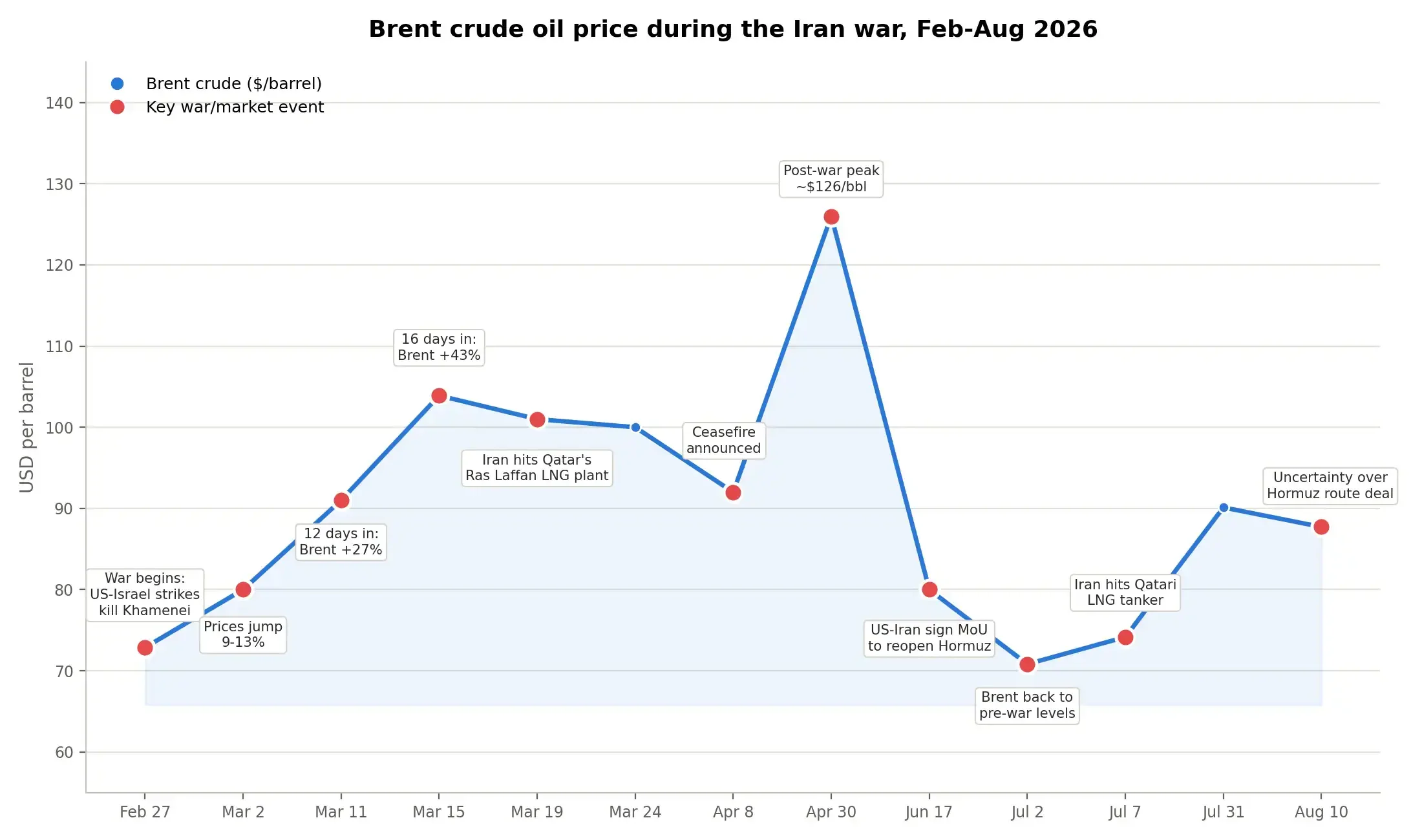
Six months on, prices have settled well below that peak, and the reason has less to do with diplomacy than with tankers going dark at sea. Sixteen days into the war between Israel, the US and Iran , oil hit $103.90 a barrel, a jump of 43 per cent.
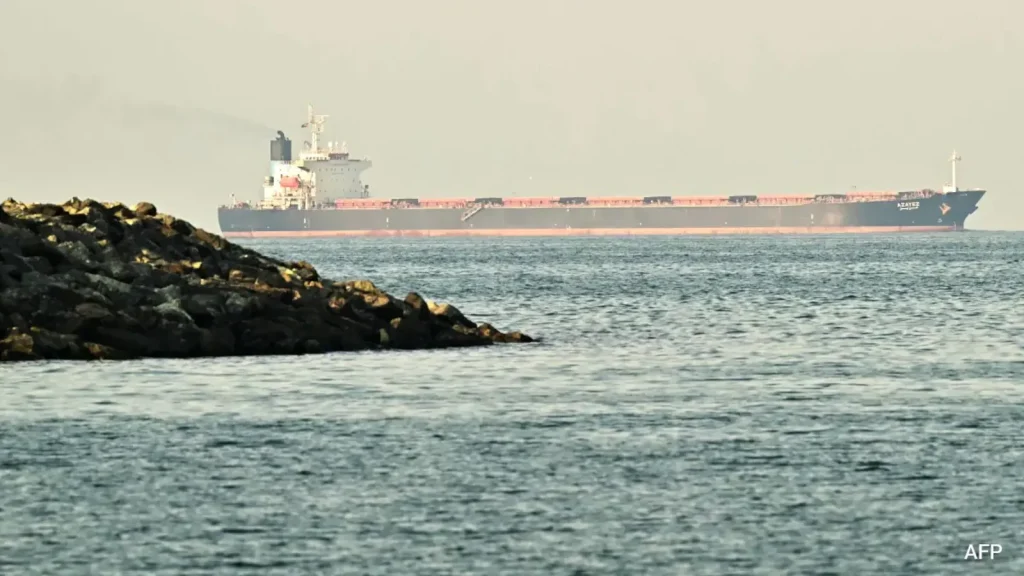
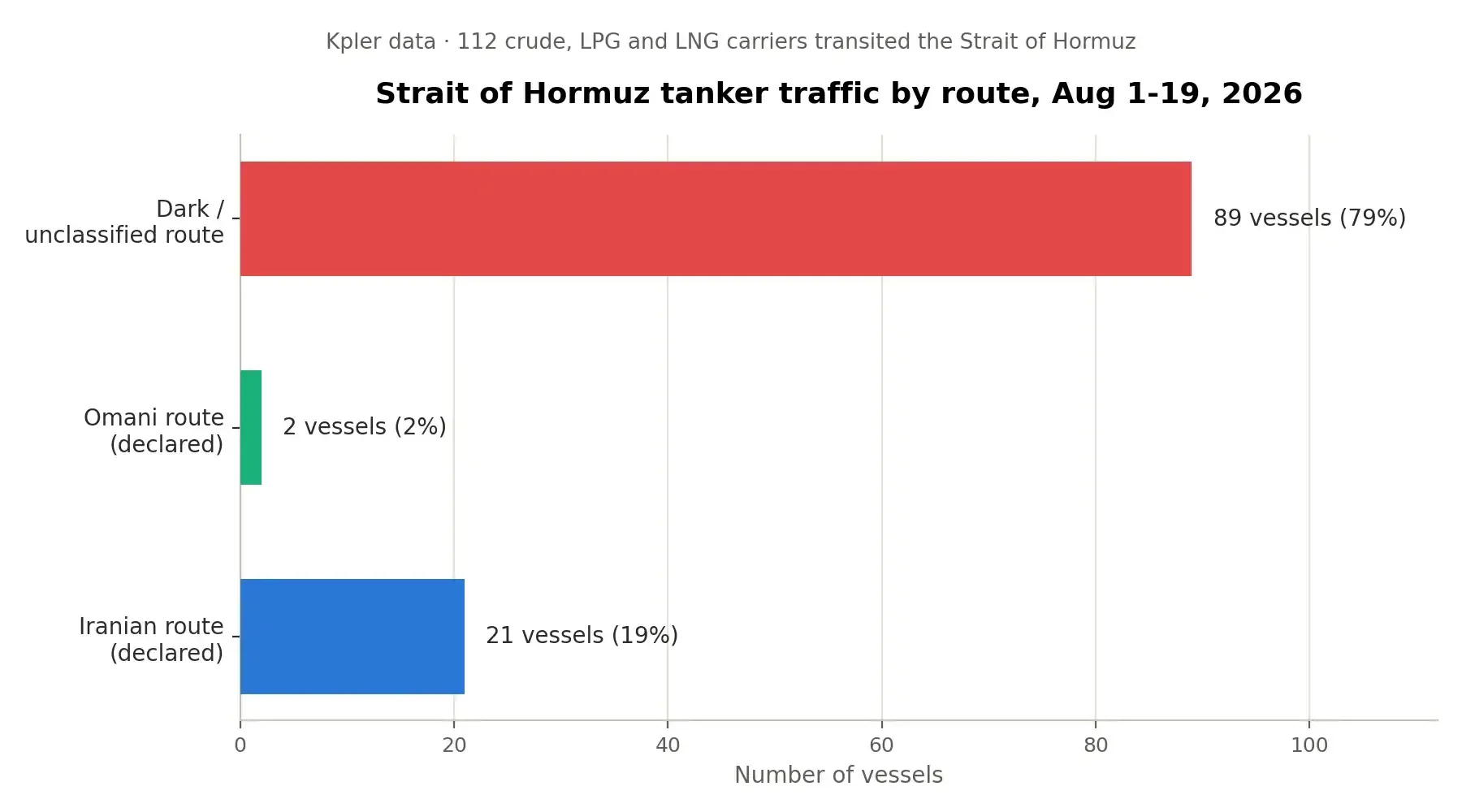
With Iranian drones threatening tankers in the Persian Gulf, oil companies from Saudi Arabia, Kuwait, Qatar and the UAE turned to a workaround: chartering tankers, switching off their transponders and moving crude out of the Gulf under US Navy escort, according to a report by CNN . These “dark” voyages pass through the Strait of Hormuz into the Gulf of Oman, where the cargo is transferred to tankers waiting to carry it onward, before the empty vessel heads back through the strait.
This shifts the financial and physical risk away from ordinary commercial shippers. Instead, the burden of insurance costs and the danger of attack now falls on the US government and the oil producers themselves.
The Strait of Hormuz became the central front of the wider conflict, which US President Donald Trump said was launched to ensure “Iran does not obtain a nuclear weapon. Tehran used the waterway as a form of deterrence, effectively obstructing traffic through it, while the United States responded with a blockade of its own.
