But a closer look at India’s telecom data suggests the country’s digital divide is becoming less about network coverage and more about internet adoption.
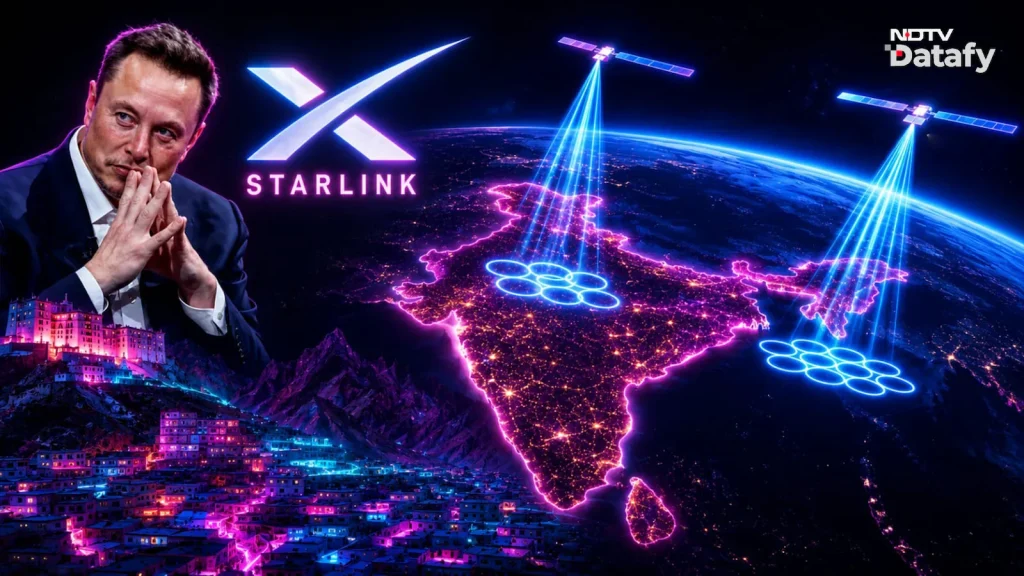
Elon Musk has once again pitched Starlink as a solution to India’s connectivity gaps, saying the satellite internet service would help the country’s “least served” regions, particularly rural areas.
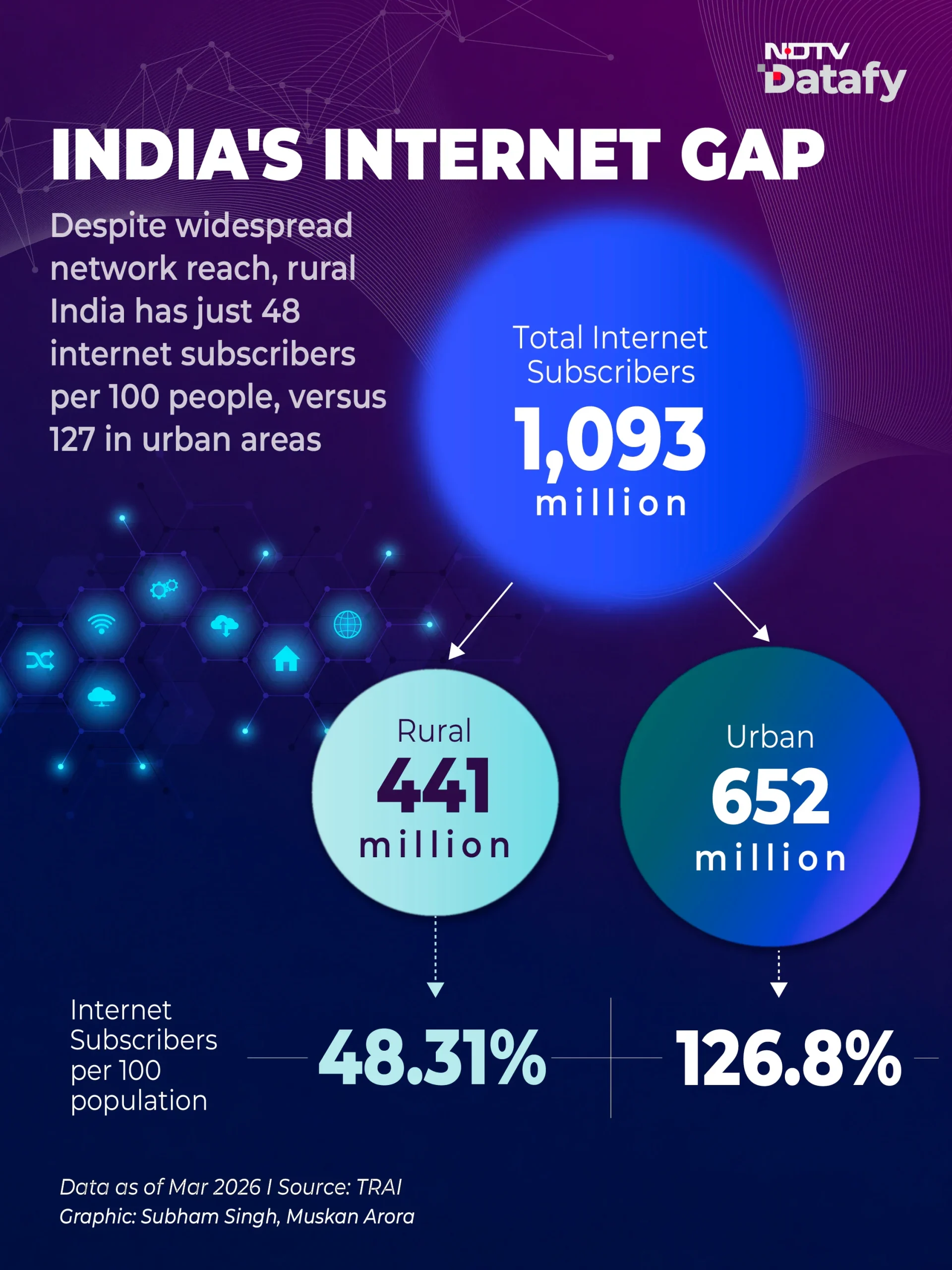
Internet Subscriber Disparities in India as of March 2026
As of March 2026, India boasts over 1.09 billion internet subscribers, according to data from the Telecom Regulatory Authority of India (TRAI). Urban areas contribute significantly to this figure, with approximately 652 million subscribers, while rural regions account for around 441 million.
This divide is evident when looking at per capita statistics. Urban India has 126.8 internet subscribers for every 100 people, compared to just 48.3 per 100 in rural areas.
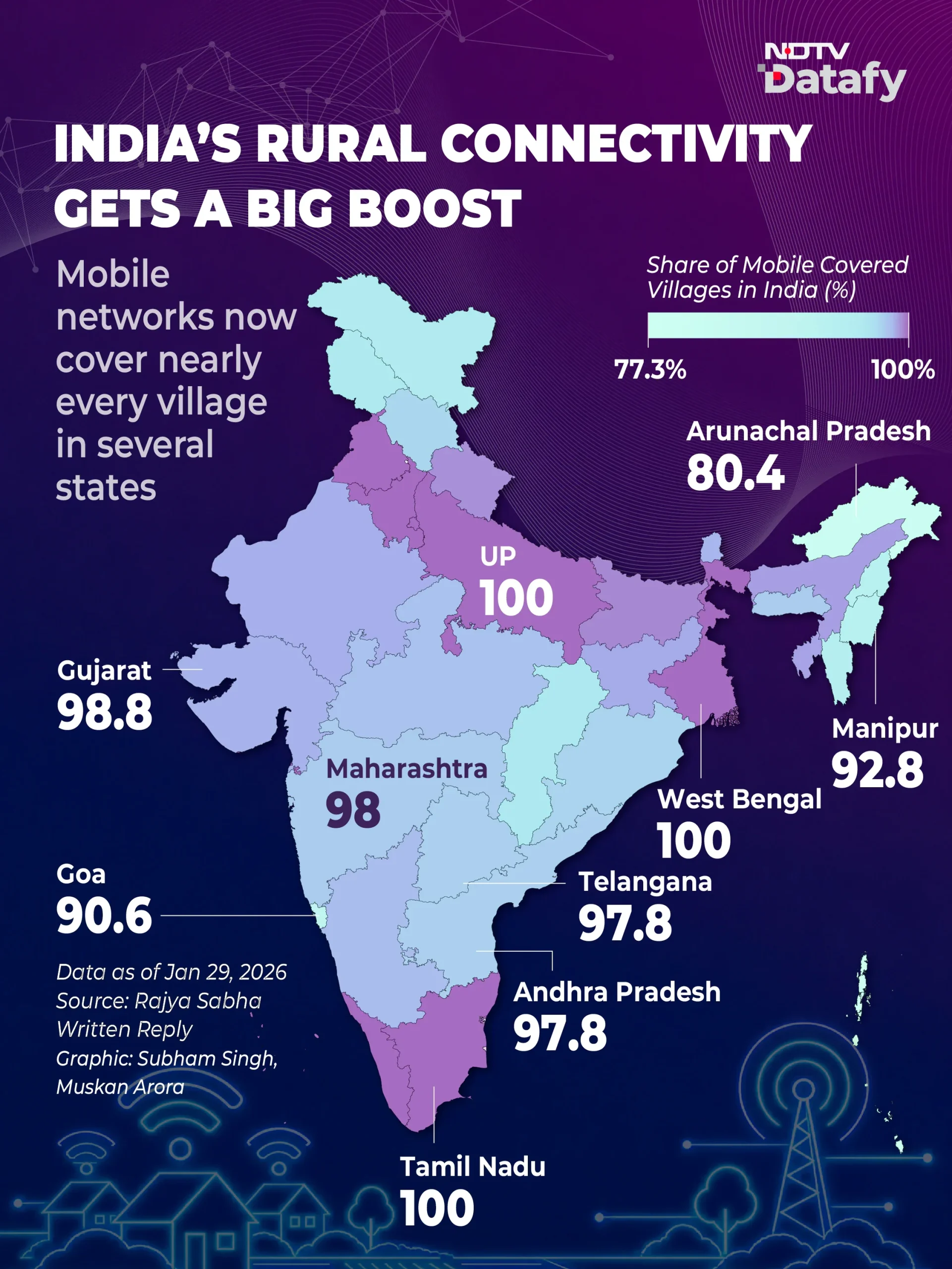
Despite advancements in mobile connectivity, which have reached most villages across the country, the disparity in internet access remains pronounced. A report from the Rajya Sabha on January 29, 2026, indicates that mobile coverage, ranging from 3G to 5G, is nearly universal in many states. Notably, states like Uttar Pradesh, West Bengal, Tamil Nadu, Punjab, Haryana, and Kerala report nearly complete mobile network access in all villages.
Bihar, often highlighted as one of India’s least connected states, shows impressive mobile coverage at 99.9% of its villages. Other states, including Assam, Jharkhand, and Uttarakhand, also report coverage levels exceeding 99%.