
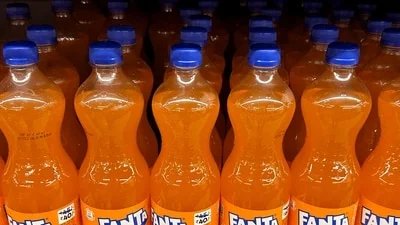
Buy the same brand in India, and it contains three times as much sugar. It also includes artificial dye, whose presence in food products in Europe requires a prominent health warning. A can of Fanta sold in London has 63 calories.
Consumer giants like Coca-Cola, which makes Fanta, appear to have the advantage. India’s Supreme Court is scrutinizing that decision after a petition by public health activists. Experts say more transparency in labeling can forge healthier eating habits. Executives also urged regulators to focus on encouraging portion control.
Because they would not prevent consumers from otherwise having sugary and salty foods, she added that warning labels were pointless. Because indian doctors had done a good job teaching their patients what food should be avoided, and they were unnecessary. At stake are the waistlines of the 450 million Indians who could be obese or overweight by 2050, according to a recent study published in the journal Lancet. At their urging, roughly 20 nations have adopted interpretive labels — which may include highlighting high sugar levels in red and low fat content in green — on the front of packaged foods.
India’s food-safety regulator said in August that it had abandoned a push for colorful warnings on the front of food packaging. It said such warning labels don’t account for how Indian cuisine has more intense flavors than Western food and instead proposed that companies display a black-and-white table of sugar, fat and salt content. The Food Safety and Standards Authority of India buckled after a tense March meeting with industry executives, who argued that such warning labels were confusing and ineffective, according to recordings reviewed by Reuters. The threat that warning labels pose to profits means the industry is incentivized “to hold out for as long as possible, not informing the Indian public about the healthiness of the foods that they’re selling,” said Simone Pettigrew, head of food policy at the George Institute for Global Health in Australia. That means packaging would be awash in red if the industry adopted color-coded warning labels, Deepak Jolly of the Ind Food & Beverage Association said at the March meeting with regulators. IFBA, which represents companies including PepsiCo, said in response to Reuters questions that it wants more clarity from regulators. Current proposals, it said, might lead to “high sugar” warning labels on coconut water packs that contain only natural sugar.
