
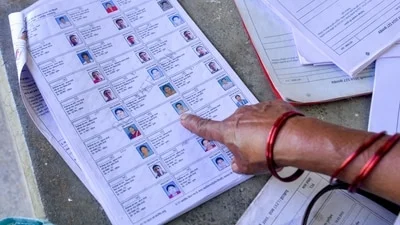
As of Tuesday, nearly 3.1 million out of 3.81 million appeals pending before West Bengal’s appellate tribunals are focused on the exclusion of names from the electoral rolls. This represents 81.3% of the total appeals filed following the special intensive revision (SIR) of the electoral lists. The Supreme Court highlighted this trend, indicating that the majority of these appeals are not contesting the deletion of voters but rather seeking to remove names from the rolls.
The disclosure prompted the Supreme Court to seek a detailed break-up of the pending appeals and their disposal, observing that appeals by persons excluded from the rolls may need prioritisation since their right to vote is immediately affected. SIR appellate tribunals comprise former chief justices and judges of high courts and were constituted to hear challenges to decisions taken by judicial officers who adjudicated claims and objections in the revision process. Advocate Prashant Bhushan, appearing for petitioner Prasenjit Bose, supported the plea for expediting such appeals and sought a fixed schedule for their disposal. The application, filed through advocate Neha Rathi, also demanded a time-bound schedule for disposal of all appeals against exclusion in the wake of upcoming municipal polls in the eastern state.
The data, contained in a Right to Information (RTI) response furnished to Congress lawmaker Isha Khan Choudhury, showed that only around 700,000 appeals were filed by voters challenging their exclusion from the electoral rolls.
The remaining appeals have been filed by persons or entities objecting to the inclusion of names, according to the information placed before the court.
Court Reviews Appeal Processes Amid Concerns
The court has initiated a review of the data regarding the handling of appeals in a separate case. This examination may lead to a decision on whether additional tribunals are necessary. The court emphasized the importance of distinguishing between two types of appeals: exclusion from the electoral roll, which directly impacts a statutory right, and objections to someone’s inclusion, which may not be as urgent.
