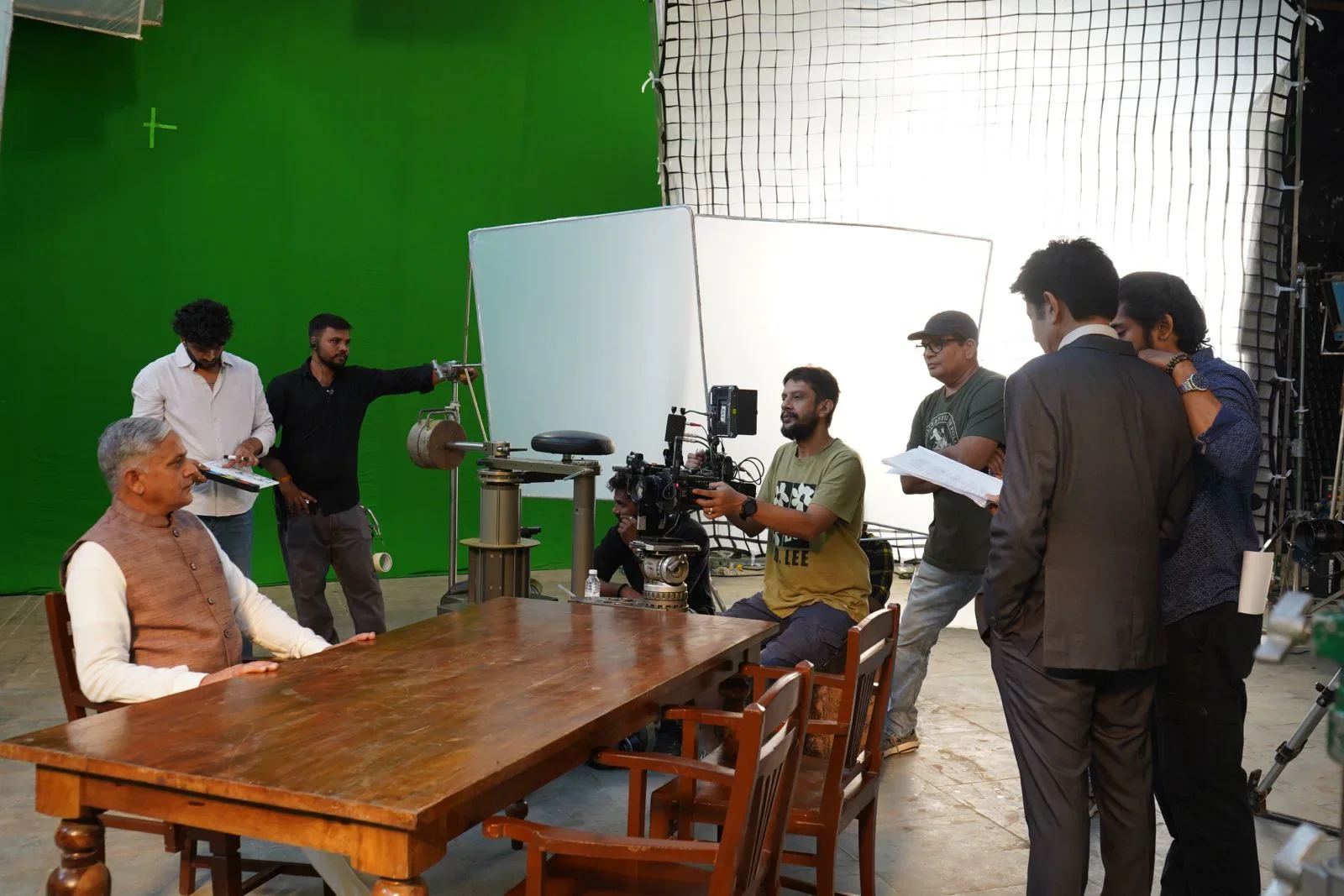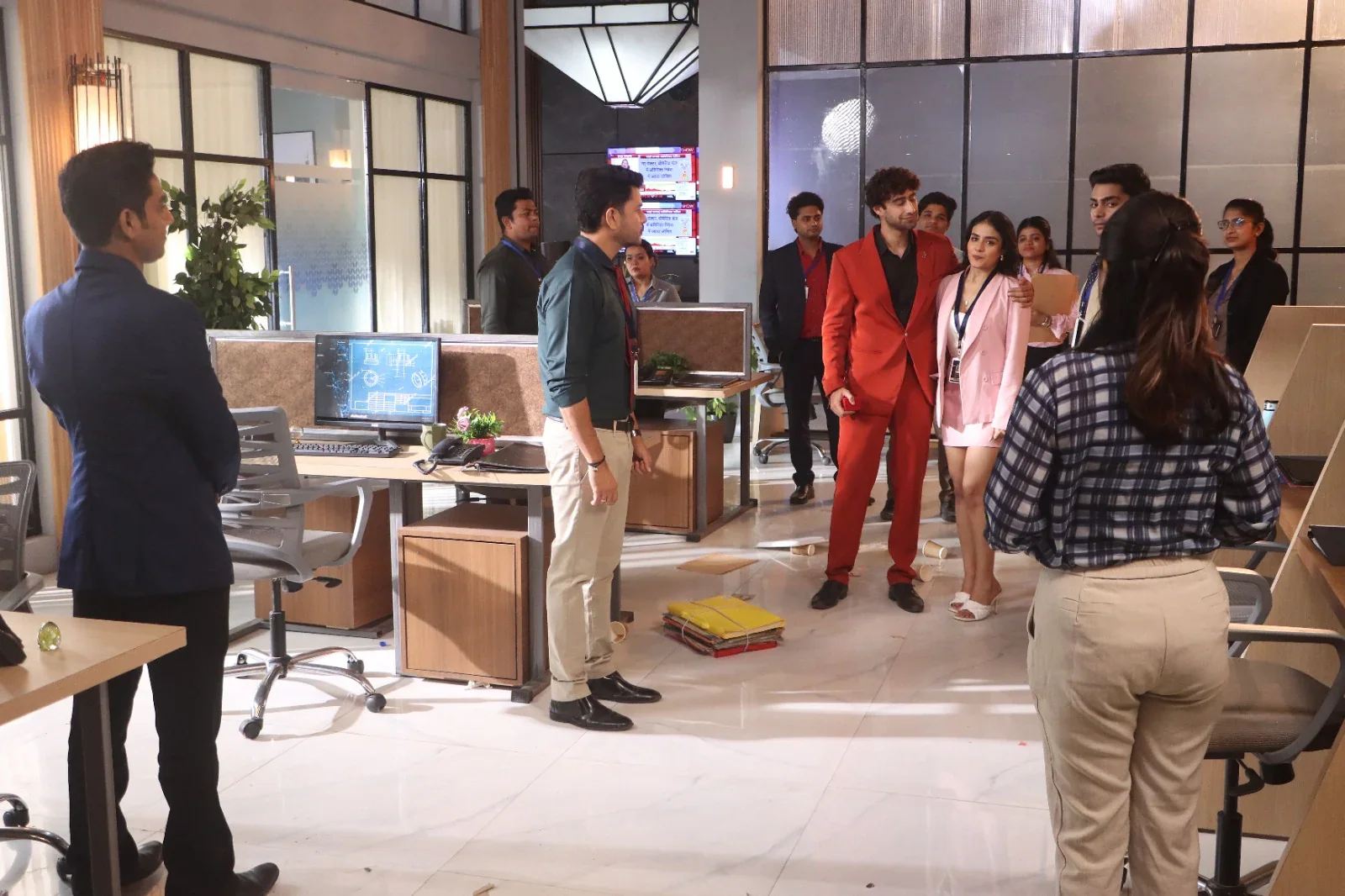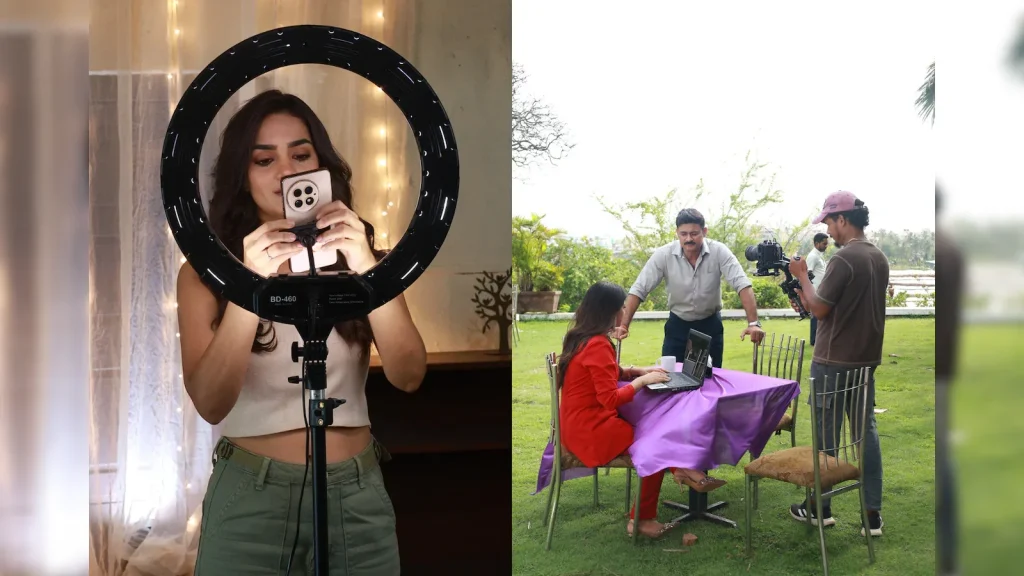
The Indian entertainment industry has long embraced lengthy narratives, with daily soaps often running for years. Films typically have durations of two to three hours, while OTT platforms feature shows that span multiple seasons. This trend reflects a deep-rooted tradition of extended storytelling that has shaped audience expectations over time.
That, he believes, challenges the idea that younger audiences have simply lost interest in stories. In effect, stories are getting shorter. Much shorter. Episodes can last just a minute. Yet these young viewers keep coming back for the next episode. “This is not simply another short-video trend. It represents a change in how people consume fiction. He added, “The basic storytelling grammar has not changed. There is still a hero, a villain, a relationship, a conflict and a cliffhanger. What has changed is the screen. And the time available to capture the viewer’s attention. Microdramas take the familiar formula of television serials and package it for a mobile-first audience. The result is an entertainment format that feels both new and strangely familiar. But India has something else going for it. “India already has hundreds of millions of smartphone users. Digital payments are deeply embedded in everyday life. And, perhaps most importantly, Indians have spent decades consuming serialised stories… A two-hour film requires a commitment. You can watch one while travelling. Or while waiting for a cab. Or between two tasks. And if the story is good enough, one episode quickly becomes five. Then ten. Just as fast food removes the waiting time associated with a traditional meal, microdramas remove much of the time commitment associated with traditional entertainment. The story arrives instantly. And the next episode is usually just a swipe away. For Gen Z, entertainment is no longer restricted to television screens or cinema halls. The phone is the primary screen.
More and more young consumers are watching these shows where episodes are just 1-2 minutes long (sometimes even shorter). Even a 45-minute television episode demands that viewers sit down and watch it. A 60-second episode does not. Aditya said people are spending upwards of 95 minutes a day on Story TV. “A 2-hour film may require a significant time commitment. A 60-second episode gives you an easy entry point and lets the story earn your attention,” he said.
In an exclusive interaction with NDTV , GSN Aditya, COO, Story TV (Eloelo Group), said India is witnessing a microdrama boom. Indian audiences have grown up on daily soaps, drama and cliffhangers,” said Aditya. This explain why microdramas are increasingly being described as the “fast food of entertainment”.