
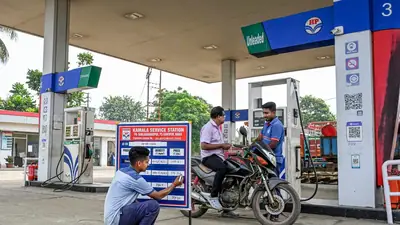
The government is evaluating the possibility of selling premium petrol brands—such as Indian Oil’s XP95, Bharat Petroleum’s SPEED, and Hindustan Petroleum’s Power95—with a 10% ethanol blend. This initiative aims to provide an E10 option for older vehicle owners without the need for separate fuel infrastructure. This information comes from an exclusive report by LiveMint.
The proposal comes amid persistent concerns among motorists about the impact of E20 petrol on older vehicles and fuel economy. E20 contains 20% ethanol and is now the standard petrol blend at fuel stations across India.
The petroleum ministry is discussing the proposal with state-run oil marketing companies (OMCs) Indian Oil Corporation, Bharat Petroleum Corporation and Hindustan Petroleum Corporation, three people aware of the discussions told Mint. The discussions are at an early stage and no final decision has been taken, the report said.
Government Evaluates Consumer Preferences for E10 Fuel Options
The government and oil marketing companies (OMCs) are currently assessing consumer preferences regarding two types of E10 fuel: a premium option and a more affordable regular variant. This comes amid ongoing discussions about the implications of ethanol blending in fuel.
In July, the government indicated that vehicles designed for E10 might experience a slight decrease in fuel efficiency, estimated at 3-5%, when using E20. However, officials denied any evidence of widespread engine failures or breakdowns linked to ethanol blending.
This proposal marks a notable shift, as the government has previously dismissed calls for petrol stations to offer multiple ethanol blends simultaneously. The petroleum ministry highlighted that maintaining separate supply chains for pure petrol, E10, and E20 would pose significant logistical challenges, increase handling costs, and complicate inventory management. It also clarified that premium petrol should not be considered a separate nationwide fuel stream, as it is sold in limited quantities.
The government’s ethanol-blending initiative began with a pilot program in 2001, gradually expanding over the years. Ethanol blending levels rose from approximately 1.53% in the 2013-14 period to the current E20 standard.
