
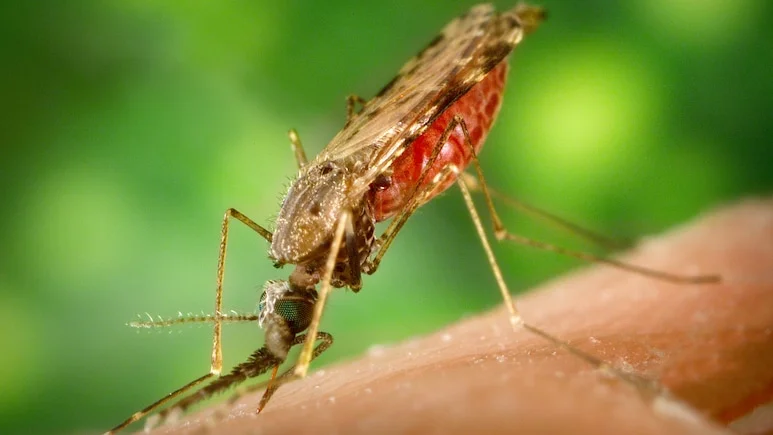
Two workers at Frankfurt Airport in Germany have died after contracting malaria, marking a rare outbreak linked to infected mosquitoes that reportedly arrived on a plane. Six male employees have been diagnosed with malaria tropica, the most severe form of the disease, despite none having traveled to areas where malaria is endemic, according to a report by BBC.
The Frankfurt city health authority said the first death occurred in early July, although malaria was confirmed only after the worker died. The Robert Koch Institute (RKI), Germany’s federal public health agency, initially reported four cases in mid-July. A second infected worker died in August. The remaining four patients are recovering after receiving treatment. Health officials suspect the mosquitoes responsible may have entered Germany aboard an aircraft and subsequently bitten workers at the airport. Such cases are known as airport malaria and are extremely rare in Germany. Germany has not recorded locally acquired malaria on a regular basis since the 1950s. Airport staff have also been informed about the outbreak and advised to watch for possible symptoms.
Because malaria in Germany is generally linked to people returning from countries where the disease is widespread, as per AFP, it said the infections were unusual. Mosquito traps have now been placed around Frankfurt Airport, which handled about 63.2 million passengers last year.
The RKI said the absence of a travel history can make the disease harder to identify, potentially delaying treatment and increasing the risk of severe illness. “We have provided comprehensive information to all employees and encourage them to consult a doctor if they experience any symptoms,” the Fraport spokesperson told the BBC.
Mosquitoes caught in the traps will be sent to the Institute of Tropical Medicine in Antwerp, Belgium, for genetic testing. Scientists hope the analysis will help determine the species and possible origin of the mosquitoes and establish whether the infections could have been caused by a single mosquito or multiple insects.
