Five months ago, two reports by an intergovernmental knowledge and learning centre working on behalf of the people of the Hindu Kush Himalaya (HKH) had said that glaciers across the HKH have been melting faster and faster with ice loss rates doubling since the turn of the millennium.
In March 2026, the International Centre for Integrated Mountain Development (ICIMOD) in two reports said up to 27 metres of glacial ice thickness had been lost since 1975
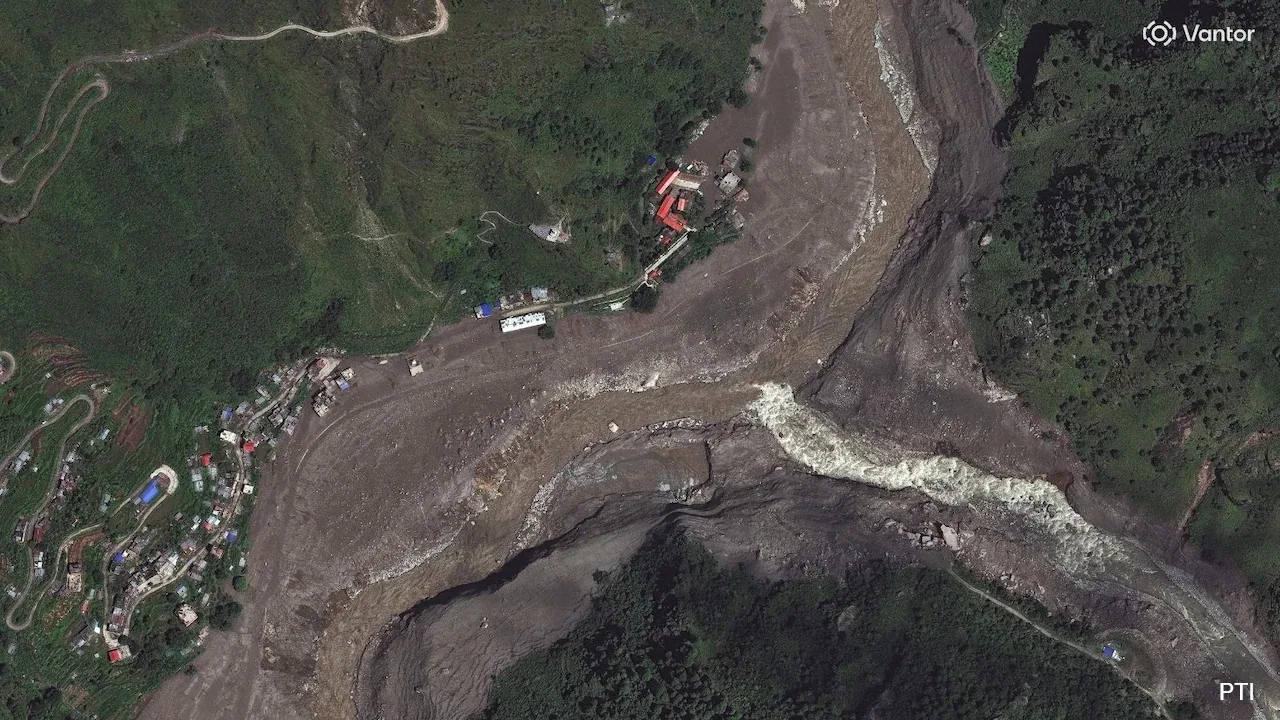
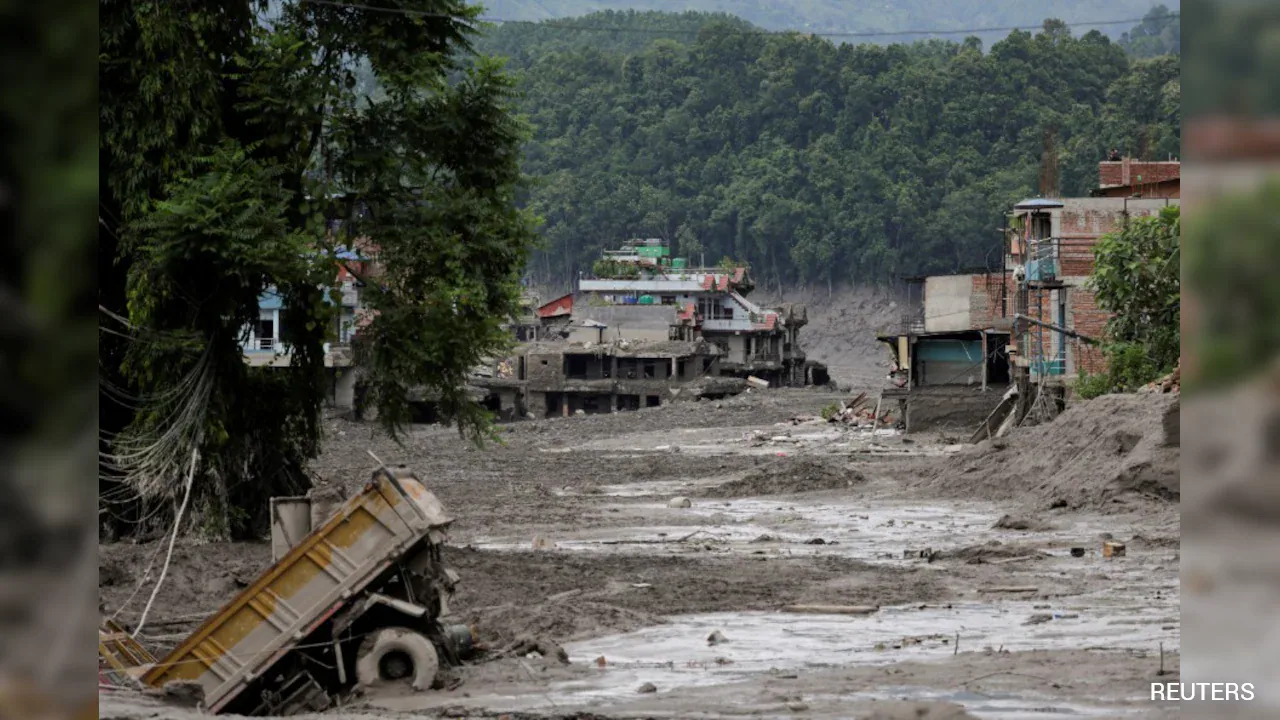
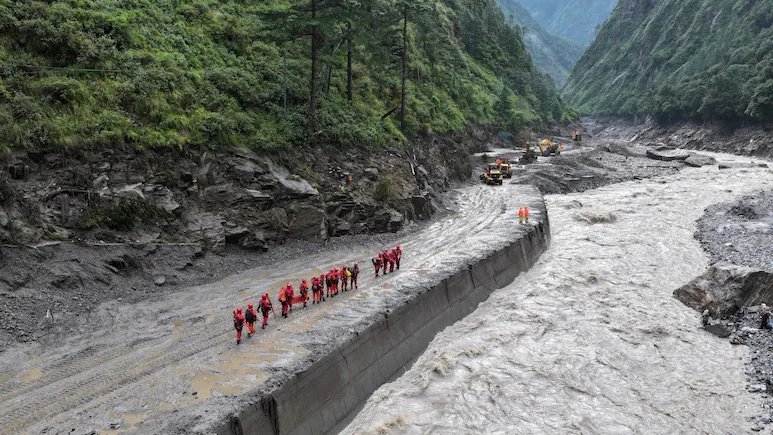
What exactly caused the Nepal flash floods that killed over 270 just days ago is under investigation by scientists and researchers. However, many of them are inclined towards a combination of factors, one of which is the most concerning – it is raining at an altitude of 4,000 metres and above instead of snowing. One of the two ICIMOD reports, the HKH Glacier Outlook 2026, which analysed data from 38 monitored glaciers, found that glacial wastage had doubled since the year 2000 in a strong indication that “parts of the Himalayan cryosphere may be nearing critical tipping points toward irreversible retreat. It, however, noted a data gap that only seven of those 38 monitored glaciers met the global benchmark monitoring standards of the World Glacier Monitoring Service (WGMS).
It said regions with massive glacier presence including the Karakoram, Sikkim, Zanskar and Bhutan remained largely unmonitored. “It is related to climate change because the snow covers are reducing, the glaciers are receding, more rocky or barren areas are exposed – they absorb more heat which makes the slopes more vulnerable,” Mohd Farooq Azam, senior cryosphere specialist at ICIMOD and associate professor at the Indian Institute of Technology Indore, told news agency PTI on Thursday.