
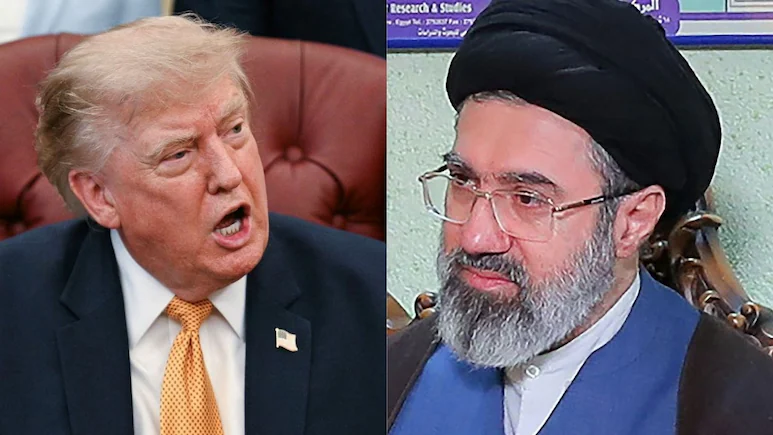
The struggle for power inside Iran may well determine when its war with the United States ends. After six months of war, one group wants talks and a possible settlement with the US, while hardliners want the country to continue resisting.
President Masoud Pezeshkian, Parliament Speaker Mohammad Bagher Ghalibaf and Foreign Minister Abbas Araghchi are among those calling for an agreement with the US.
They argue that Iran’s struggling economy, the US naval blockade and damage to the country’s infrastructure make it important to end the war before the situation gets worse, according to CNN .
It would be better to end it today, while we are in a position of strength and dignity, and the entire world acknowledges our victory,” Pezeshkian said last month, as reported by Al Jazeera . Supporters of talks also believe a deal with Washington could help Iran tackle its economic problems and reduce its isolation. “The war must end at some point. But Iran’s hardliners strongly oppose negotiations. They also point to US military action during periods when talks were taking place. Hardline lawmaker Kamran Ghazanfari accused politicians supporting negotiations of trying to convince Iranians to accept what he called a humiliating peace. Trump’s mixed statements are making things worse. He has spoken about wanting Iran to become stronger, but has also threatened the country.
They say the US cannot be trusted and point to the 2015 nuclear deal, which was signed by then President Barack Obama but later abandoned by US President Donald Trump.
Pezeshkian has said Iran should try to end the war while it can still negotiate from a position of strength. Some hardliners believe they cannot get a deal they want from Trump, according to Vakil. “Yet the enemy has repeatedly shown that no matter how many concessions we make to it, no matter how much we retreat before it, it will never be satisfied and will continue to demand other things from us, and it will settle for nothing less than our complete surrender,” Ghazanfari said. This makes Iranian hardliners even more suspicious of US intentions, according to Vakil.
