The political atmosphere at Delhi University is intensifying as the Delhi University Students’ Union (DUSU) elections approach. Voting is set for September 18, with counting and results to follow on September 19. Student organizations, including the Akhil Bharatiya Vidyarthi Parishad (ABVP), National Students’ Union of India (NSUI), Students’ Federation of India (SFI), and the Aam Aadmi Party’s student wing, the Aam Aadmi Student Wing (ASAP), are ramping up their preparations and finalizing strategies ahead of the elections.
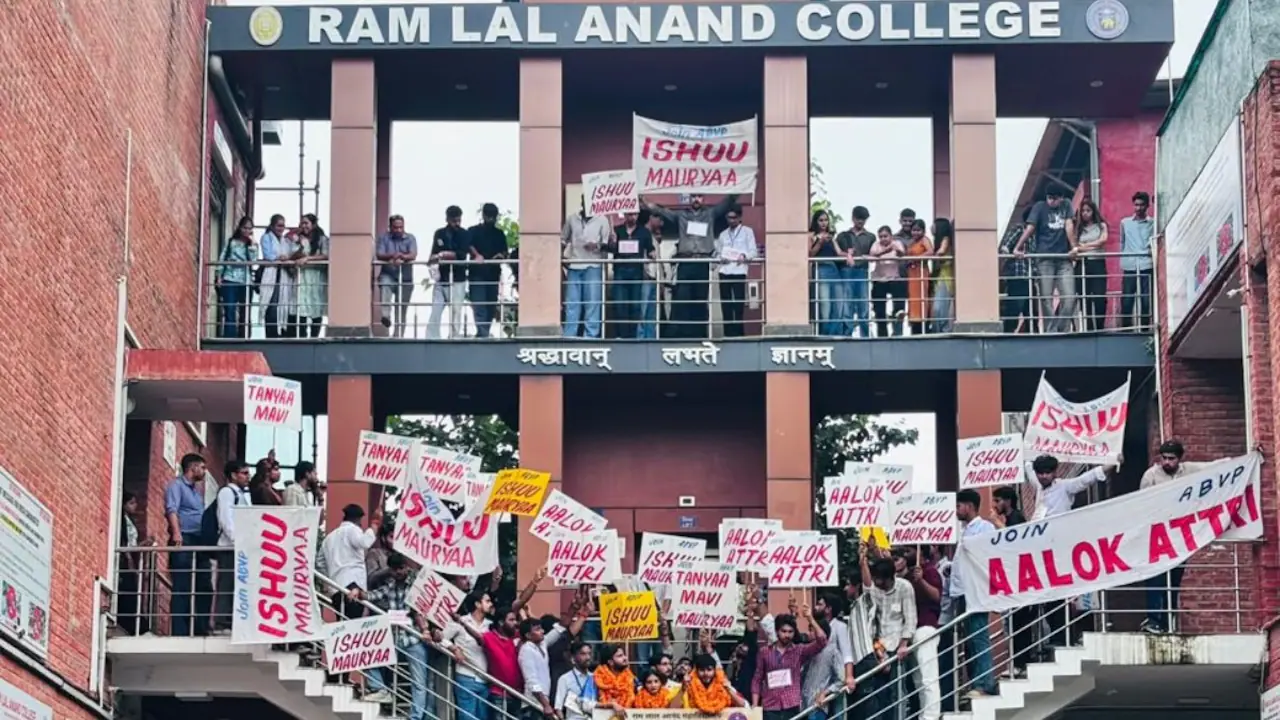
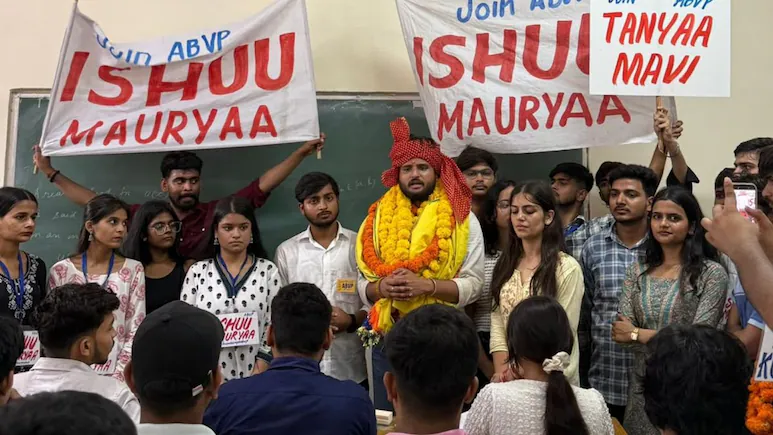
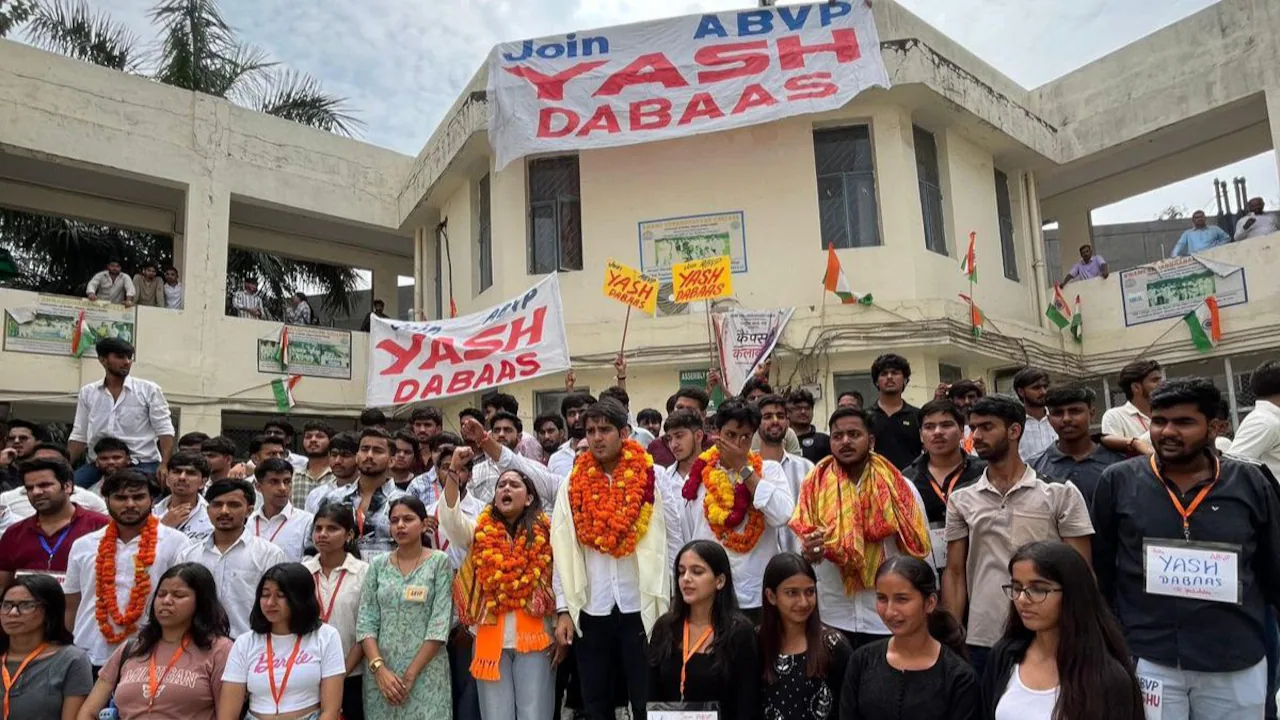
NSUI, meanwhile, has also announced pre-campaigning with eight potential candidates. The Faculty of Law remains one of the key centres of attention during DUSU elections. She also pointed to inadequate lighting in several parts of the campus, which can make it difficult for students to travel safely at night. For Vivek Pandey, a student at LC3, placements are a major concern. Both students also pointed towards another longstanding issue: limited hostel accommodation. With hostel seats falling short of demand, many students are forced to depend on expensive PG accommodation or rented rooms. At Miranda House, student concerns take a somewhat different form. On the issue of everyday campus life, however, she highlighted the canteen. Some women students at the Faculty of Arts also pointed to the relatively limited representation of women in student elections. On the electoral front, the ABVP has already begun its pre-campaigning. Nine potential candidates have so far emerged: Alok Atri, Ayushi Sharma, Ishu Maurya, Nitin Tanwar, Riya Chhavari, Sunny Dedha, Tanya Mavi, Yash Dabas and Lakshya Raj Singh. These are not necessarily the final names. With nominations approaching, the organisation is still assessing candidates on the basis of popularity, personal influence, and their potential vote base. Its workers are reaching out to students across colleges and departments in an effort to rebuild the organisation’s presence. Apart from ABVP and NSUI, AAP’s student wing ASAP is also attempting to establish itself in the election. SFI is in the contest as well. However, based on the current campaign activity, the principal contest appears to be shaping up between ABVP and NSUI. Questions have also been raised over the use of luxury vehicles during the campaign. Prime Minister Narendra Modi’s programme at SRCC has become another point of political confrontation. NSUI election in-charge Akhilesh Kumar Yadav questioned, both on his X account and in a conversation with NDTV, why the Prime Minister’s programme was being held on campus after the election code of conduct had come into force. He also questioned whether the programme could influence the election. ABVP has rejected the allegations. The post of DUSU president comes without a salary, but its political importance is considerably larger. During a one-year term, the president gets opportunities to interact with the university’s Vice-Chancellor, MPs and Union ministers. The position can also help build networks with student organisations such as ABVP, NSUI and AISA, as well as with senior political leaders. The student union also has access to funds and event budgets, although these remain subject to university rules and audit procedures. For many student leaders, the post can serve as a launchpad into electoral politics, public policy, media, and the social sector. But the position also comes with its own challenges: academic pressure, media scrutiny, political rivalry and constant engagement with the university administration are all part of the job. Not every Delhi University college and department participates directly in the DUSU election. Elections in the remaining colleges are held at the college level and are not directly linked to the DUSU contest.
Under the Lyngdoh Committee guidelines, the campaign expenditure limit for an individual candidate is Rs 5,000. Whether there is a gap between these claims and the reality on the ground will become clearer once the formal campaign begins after September 10. ABVP has also claimed that if Rahul Gandhi were to campaign, the organisation would increase its winning margin from around 16,000 votes last time to 20,000 votes this time. The annual operating fund and budget of DUSU is estimated to be around Rs 20-24 lakh. The DUSU electoral structure covers 47 colleges and five departments.
Speaking to NDTV, Tuba Irfan, a student at LC1, said sanitation facilities are among the biggest concerns for female students. He also highlighted problems in the library, including inadequate cleanliness and mosquitoes, which he said create difficulties for students. Yashika, a student at the college, said the noise and disruption during DUSU elections can be considerable. As a vegetarian, she said having vegetarian and non-vegetarian food available in the same space can be inconvenient and suggested separate arrangements. They said the atmosphere can sometimes become so aggressive and tense that many female students hesitate to enter the electoral contest. However, when questioned about the limit, both ABVP and NSUI said that campaigning across Delhi naturally involves expenditure beyond that amount, while maintaining that they would try to keep spending to a minimum. The organisations have said that five vehicles are permitted and that they will follow the rules. DUSU election in-charge and Proctor Manoj Kumar Singh has already said that the university will conduct the elections fairly and in accordance with all the standards prescribed by the Lyngdoh Committee. Haresh, the Delhi Pradesh media convener of ABVP, told NDTV that the Prime Minister’s programme was a government event. Taking a swipe at NSUI, he said that if the organisation had such an objection, Congress should bring Rahul Gandhi into the campaign.
Those who performed better in this exercise were moved ahead, while several other potential candidates were kept on the sidelines for now. Sources indicate that the organisation had earlier assessed the strength of potential candidates using around 1,000 ID cards, essentially a list of potential voters.
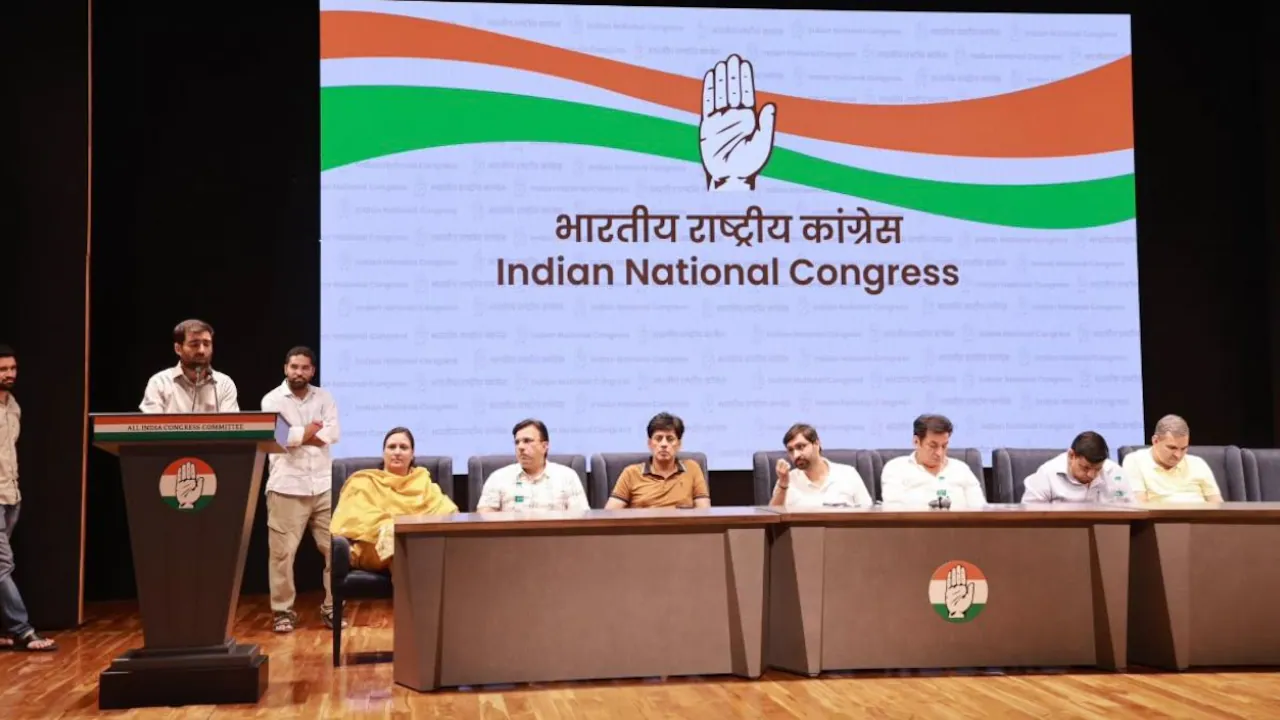
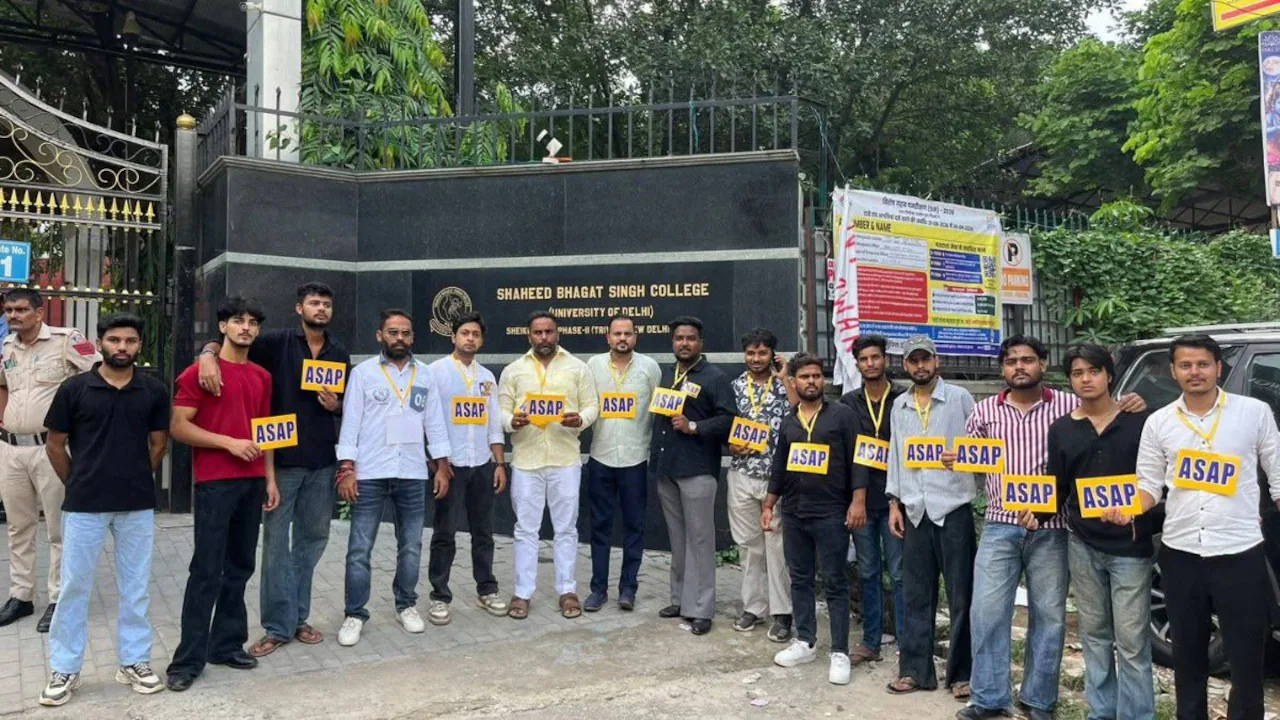
But beyond the political noise, the larger question is: what does the DUSU election actually look like on the ground this year. NDTV’s ground report on the issue digs deeper for answers on what are the students’ concerns, and which organisation will succeed in connecting with young voters. This year’s DUSU elections have coincided with a time when student politics is trying to adapt to a generation of voters with a different set of priorities. After recent student movements around issues such as Re-NEET, student organisations are making efforts to reach out to Gen Z voters and bring their concerns into the electoral conversation. From meetings at the ABVP office in ITO to discussions at the Delhi Pradesh Congress and NSUI offices, preparations are underway. Yet the real test will be inside the campus: to find out what issues will actually determine how students vote. Both major organisations are also working on their manifestos. As polling day approaches, organisations are focusing increasingly on individual voters. ABVP has started bringing Sangathan Mantri and workers from different states to Delhi. The strategy is simple: volunteers are expected to reach out to students who come from their respective states and connect with them at a personal level. NSUI is following a similar approach. The campaign is not expected to remain restricted to political speeches and door-to-door outreach. Student organisations are also preparing cultural programmes to attract students. ABVP has planned to organise programmes reflecting different regional identities, including Madhyanchal and Purvanchal events. The organisation intends to use these programmes to promote its candidates among students. NSUI is also preparing similar programmes, while ASAP is attempting a different approach. AISA and SFI have not yet fully entered the election campaign. However, the Left student organisations are expected to focus on Gen Z concerns and issues emerging from recent student movements. For now, much of what is visible is still part of the preparation phase. Students vote for four key posts: President, Vice-President, Secretary and Joint Secretary. ABVP, NSUI, SFI, ASAP, and other student organisations are expected to put their full organisational strength behind these contests. Voting for the DUSU election is conducted through EVMs.
Both organisations are therefore attempting to make student issues and accountability of the university administration an important part of their electoral narrative. The electoral picture is expected to become clearer after nominations on September 10, when the final candidates, organisational choices and ground-level strength become more apparent. The DUSU election dates back to 1954. The elections, however, were not held in 1975-76 during the Emergency, in 1990 amid protests against the Mandal Commission, and again from 2020 to 2023 during the Covid-19 pandemic. This year, nominations will take place on September 10, voting on September 18, and counting and declaration of results on September 19.
ABVP has released a QR code inviting students to submit suggestions for its manifesto, with the message: “DU ka Future, DU ke Students hi likhenge” (The future of Delhi University will be written by the students of Delhi University). NSUI, on the other hand, is running an “Accountable DU, Accountable DUSU” campaign. An ABVP worker described the strategy as preparing for a “panchayat election-like voting”, with the organisation keeping an eye on every single vote. NSUI election in-charge Akhilesh Yadav told NDTV that members of the organisation’s decentralised force would be brought to Delhi from different states to participate in the campaign. Its campaign includes initiatives such as “Clean the Campus”, aimed at connecting with students through campus-related issues.