
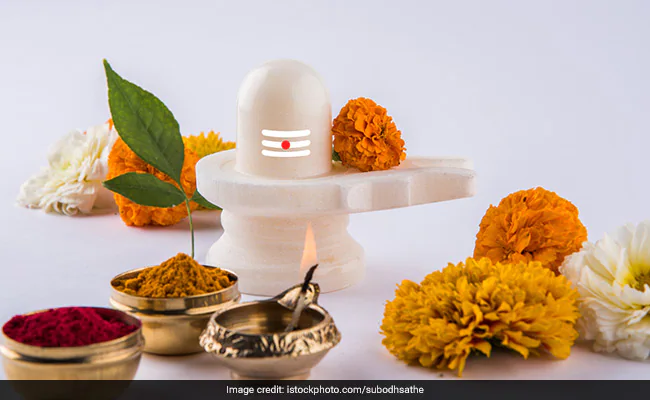
Maha Shivratri, one of the most revered festivals in Hinduism, is dedicated to Lord Shiva, the destroyer and regenerator in the Trimurti – the Hindu trinity. Celebrated with great fervour and devotion, Maha Shivratri falls on the 14th day of the dark fortnight in the Hindu lunar month of Phalguna or Magha, typically in February or March. The festival is celebrated across the length and breadth of the country, and some places have their own unique traditions blended in the age-old traditional practices. Central to this auspicious occasion are the fasting rules and rituals observed by devotees seeking spiritual upliftment and divine blessings.
Lord Shiva symbolises the eternal prana, the undying force of eternal existence. He is honoured as Mrityunjaya – one who has conquered death. He also practices intense yoga, showing the path of knowledge to his devotees. Fasting is considered a type of yoga and on Maha Shivratri, it is practiced as a means of purifying the mind, body and soul while demonstrating reverence and dedication to Lord Shiva. Devotees adhere to strict fasting rules, abstaining from consuming any kind of food, and even water. Some may choose to observe a partial fast by consuming fruits, milk, and nuts, while others opt for a complete fast lasting for the entire day and night.
