

The decision has led to a lot of heated debate between the loyalists of conventional or closed-book exams, best exemplified by board exams , and its opponents, that is, those who support open-book examinations. The Central Board of School Examination’s (CBSE) decision to explore the idea of conducting open book exams for Classes 9 to 12 and undertake a pilot study in select schools to check its feasibility is a welcome decision.
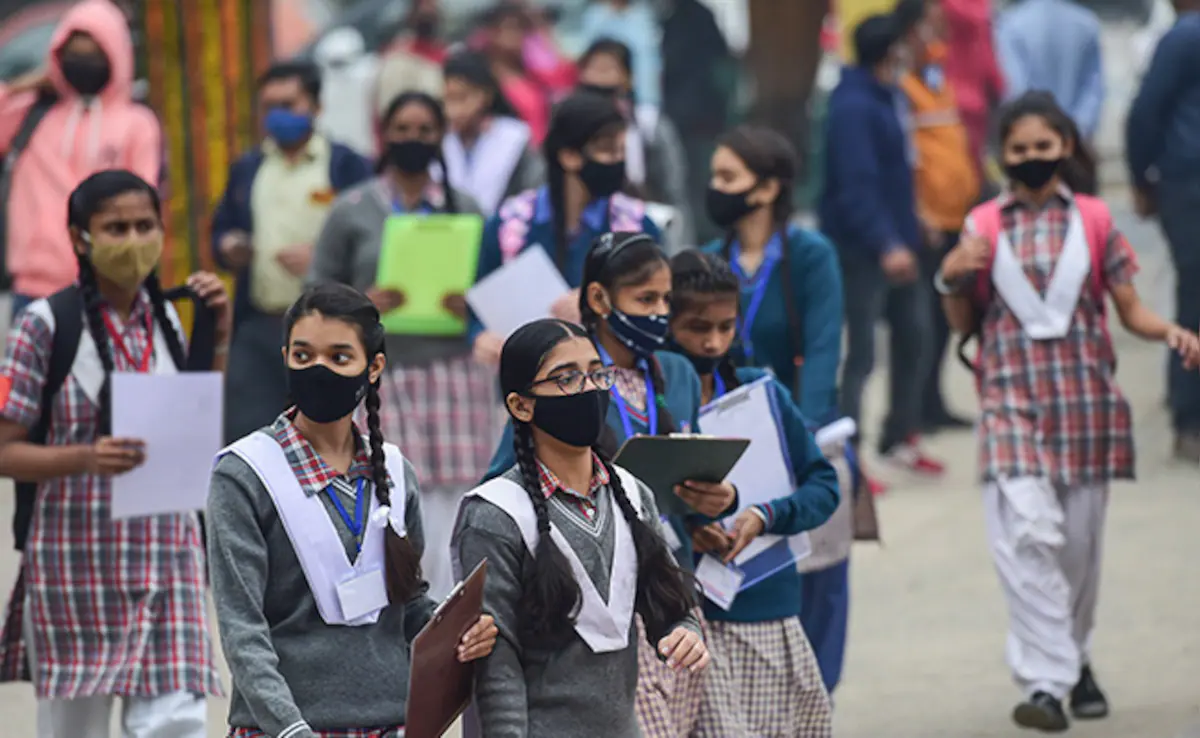
There are fundamental differences between the two groups. The first believes in celebrating the skill of rote memorisation, ensuring secrecy around questions and expecting uniformity in answers. The latter bats for a fear-free assessment of the learner, openness in the conduct of examinations and diversity in students’ responses. Exams, particularly, closed book, are regarded as being fair, objective and unbiased. It follows a double-blind process, that is, both the student and teacher are unknown and anonymous to each other. Open-book examinations come as a counter to closed-book assessments, in which the fear of forgetting and failing looms large. Open-book exams are more about learning than assessment. It allows students to carry their books, notes, and other study material for the exam. The catch is that while students are allowed to take help from this study material, none of these would directly help the student respond to a question asked in the exam. It may require, at the most, referring to the textbook for information. Learning is something that is not confined to textbooks, and similarly, the assessment of success should not be equated to rote memorising. Typically, in a conventional classroom, questions given for homework can be answered by referring to the textbook. During exams, this skill of referencing is replaced by memorising. For example, everyone knows that the Junior Research Fellowship (JRF) University Grants Commission-National Eligibility Test (UGC-NET) exam for higher education is in a multiple-choice-questions format, in which students have to select one correct answer. Students prepare themselves accordingly. A harsh reality is that both teachers and parents believe examinations to be a sacrosanct feature of schooling. Fear of failing is constantly harped on students, giving them little time for leisure or relaxation. Right from the time they enter school, they are threatened or made to feel scared about failing. Learning is unlikely to happen in such a fear-ridden environment. Exploring open-book examinations is a wonderful idea, but an entire ecosystem needs to be reshaped for it. Reviewing the meaning of learning, selection/orientation/training of teachers, the nature of teaching-learning resources, their use in the classroom, and even the way school inspectors view education, are only a few ways such an ecosystem can be established.
Which means it’s not necessary that the more vivid and exact a replica of the textbook content the student produces, the better the learning, and consequently, the higher the scores. Assessment often guides learning, which means students, based on the nature of the questions asked in an exam, determine the way they approach the learning task. It’s a 360-degree change in the way schools view learning, designing their pedagogy and recognising heterogeneity among students.
