
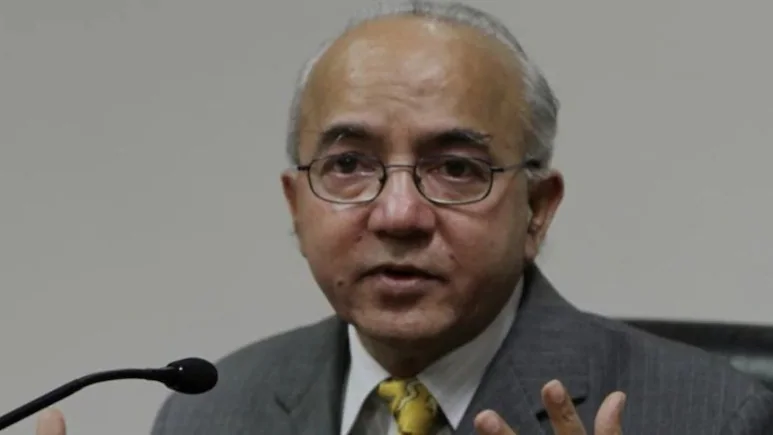
Corruption allegations, more than the infrastructure work itself, dominated the headlines. It was September 2010, less than a month before the Commonwealth Games. Then Delhi Chief Minister Sheila Dikshit stepped out at 10:30 pm to inspect preparations for the Games-related projects.
See me in my office tomorrow. Accompanying her was Rakesh Mehta, then the head of Delhi’s bureaucracy-the Chief Secretary. I was out in the field. The Barapullah Elevated Road, crucial to the Games, was still incomplete. Sarvgya Srivastava, the Engineer-in-Chief of the PWD, had also been summoned. Sheila Dikshit looked worried. But Rakesh Mehta stood there with his trademark calm composure, speaking to officials and going through reports. I asked him what the alternative would be if the Barapullah Elevated Road could not be completed in time. Mehta sahab smiled. “Don’t worry. Not just the elevated road, the Mayur Vihar flyover will also be completed in time. I’ll explain everything. Read | Who Was Rakesh Mehta? Sheila Dikshit’s Top Official During Commonwealth Games As it happened, I had done a story that very day about the delays plaguing the Mayur Vihar flyover. It rained through the night, and with every downpour, confidence in the work being done seemed to wash away.
the incessant rainfall that year was another major talking point While 2010 is remembered for the Commonwealth Games.
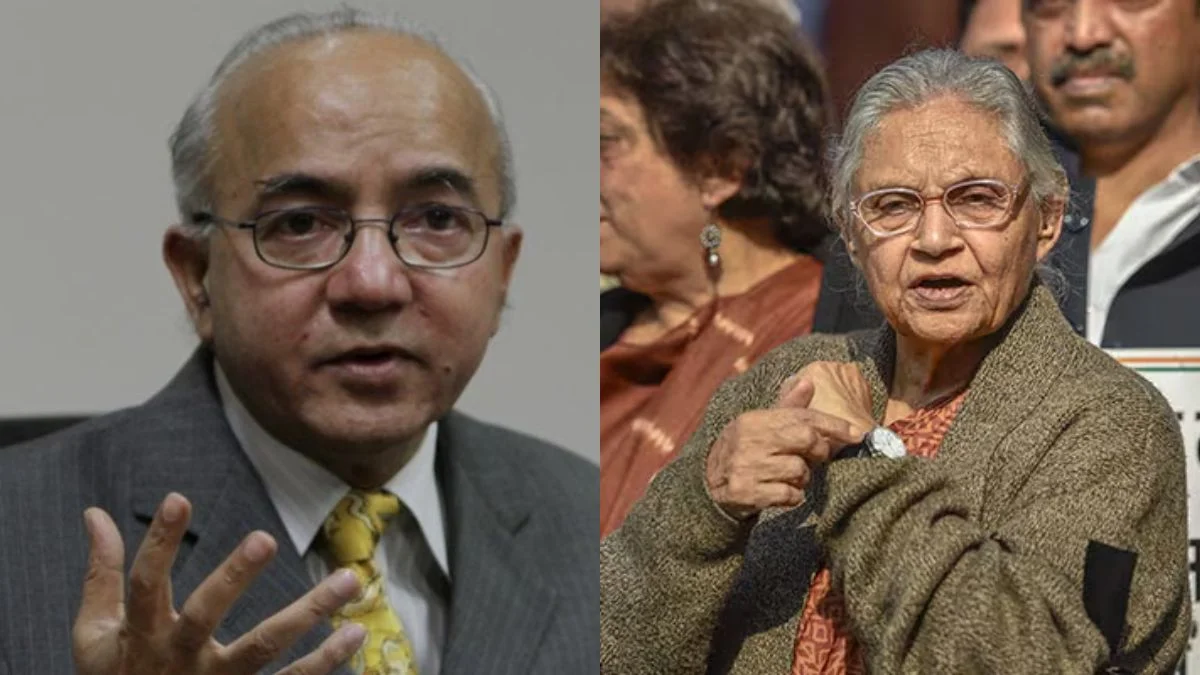
Having returned from Germany, Rakesh Mehta had decided that the slaughterhouse at Kasabpura, near New Delhi Railway Station, had to be relocated. Its presence in the heart of the city was a major source of pollution. Those involved in the meat trade protested. The political atmosphere also heated up, with the Congress in power in both the Delhi government and the MCD. But Mehta remained unyielding. Read | Ex-Delhi Chief Secretary Rakesh Mehta Dies By Suicide At Noida Home He summoned me to his office near Feroz Shah Kotla and gave me a detailed briefing on the German technology that would be used at the proposed automated slaughterhouse in Ghazipur. The German machines have arrived. That was Rakesh Mehta. He was always thinking ahead of his time. As I write this, I still find it difficult to accept that a visionary who was perpetually looking towards the future could have been battling such profound personal difficulties. It is painful to imagine that a man who was so engaged with the life of a city could himself have been struggling with illness, loneliness or despair. The BRT corridor became one of Delhi’s most controversial projects. Mehta had adopted the concept from Bogotá, Colombia. He visited the city himself and then pushed to implement the system on one of Delhi’s busiest roads. Haroon Yusuf was the Transport Minister in the Sheila Dikshit government and RK Verma was the Transport Commissioner. When the Chief Minister called a meeting to consider whether the BRT project should be reconsidered, Mehta immediately began listing its benefits-at least ten of them-before others had even fully grasped the implications. The Chief Minister had already decided to halt the project, ordering that construction stop at the existing stretch. Mehta was visibly furious. Yet he remained firm on one point: the completed section of the BRT should not be dismantled. He believed its benefits would become apparent in the future, even if they were not immediately visible. That was another defining quality of Rakesh Mehta: he thought beyond the immediate moment. And when it came to time, there was perhaps no one more disciplined. I never saw Rakesh Mehta arrive late for a meeting. Meetings began and ended precisely on schedule. He would draft the minutes himself and summon his stenographer the moment the meeting concluded. Minutes that could ordinarily take two or three months to circulate would land on everyone’s desks within a couple of hours. Mehta also deserves credit for being among the first to implement the Ladli Yojana in Delhi, a scheme that many states across the country continue to discuss. He also took the significant decision to hand over the entire management of the Delhi Secretariat canteen to women. To this day, the canteen at the Delhi government headquarters is run exclusively by women. He was a man who believed in decisions-and in getting things done. And perhaps that is why his death is so difficult to comprehend. Rakesh Mehta was not merely an outstanding bureaucrat who worked closely with Sheila Dikshit in shaping modern Delhi. He was, above all, a wonderful human being. The last time I spoke to him on the phone, I asked him to write something about the issues confronting Delhi. He laughed and declined. Little did I know what the future held.
Just as I was beginning to understand the details, he said: “Let’s go to Ghazipur. “I’ll tell you the points, and you can write it up, Kunal,” he said.

The opposition was fierce.
Today, it is difficult to reconcile that image with the news of his death. The next morning, I met Rakesh Mehta-not in his office, but at another project site. His confidence remained unshaken. Rakesh Mehta was no ordinary bureaucrat. He was a treasure trove of ideas, constantly thinking of solutions to the problems Delhi faced. I first met him when he was the MCD Commissioner. I never imagined that the next news I would hear about Rakesh Mehta would be about his death by suicide. Goodbye, Mr Mehta.
If my memory serves me right, it was around 2004-05.
I find myself wondering how a man who seemed to have an answer for every problem, and who rarely knew how to say “no” to a challenge, could have reached such a deeply troubled place in his own life.
