
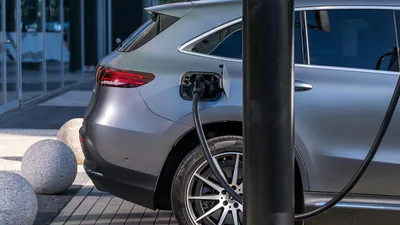
At least seven of the 21 Brics nations, including India, China, and Brazil, are advocating for a transition in electric vehicle support from private cars to shared transportation options, such as buses and two-wheelers. This initiative aims to benefit lower-income riders. The findings come from an analysis by the International Institute for Sustainable Development (IISD) as Brics members prepare to convene in New Delhi on September 12-13.
“EVs are often portrayed as products for affluent households.
Yet some Brics+ economies direct support to electric two-and-three-wheelers, buses, and shared transport, widely used by two-wheeler riders, delivery workers and bus passengers,” it said.
“For oil-importing economies, the EV transition is about more than emissions—it is about reducing exposure to a global oil market and protecting low-income households from price shocks.
Experts said the transition to EVs needs to cater to all segments for proper penetration. But programs focusing on private cars can end up subsidising the rich,” said Sunil Mani, policy advisor at IISD.
