
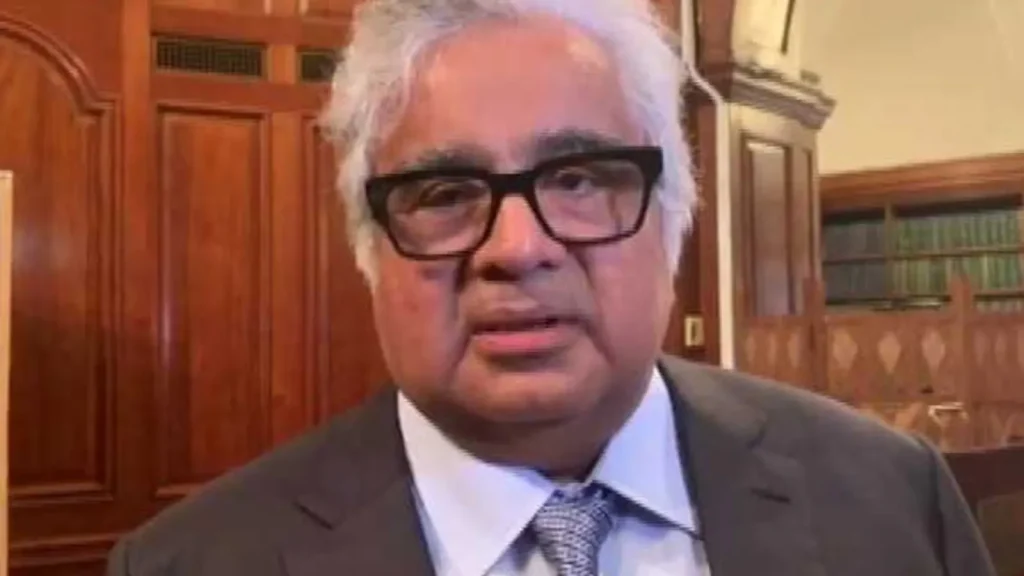
The Supreme Court can order action against illegal buildings in Delhi, but demolition alone cannot solve the city’s long-running construction issue, former Solicitor General of India Harish Salve has said.
The top court is set to hear the issue of illegal construction, days after a building housing college students collapsed in the Satya Niketan area of the national capital. It resulted in the deaths of at least seven people . “Why have they had to buy illegal buildings? He pointed out that students living in such PGs need somewhere to stay. People could be given time to move to new buildings and the illegal portions could then be demolished. Salve rejected the idea of taking a bulldozer to every unauthorised building without considering the people living there.
Because they had no affordable legal alternative, many middle-class and lower-middle-class families, he said, may have spent their life savings to buy such homes. Because legal buildings are unavailable or affordable,” he said. Because the system failed to provide affordable legal housing, but the government must recognise that many ordinary residents are living in these buildings.
MCD has identified around 52 illegal or dilapidated PG accommodations in Delhi within three days of the tragedy.
Speaking on The Buck Stops Here, Salve said authorities must also consider where people living in such buildings will go and why they were forced to choose illegal or unsafe housing in the first place. “If there is an illegal building, find out who made that illegal building, chase him, hunt him down, put him in jail,” Salve said. But he said the government cannot simply remove people living in such buildings without making alternative arrangements. “You can’t throw people out on the street,” he said. “Students are not staying there because they enjoyed living there,” Salve said, pointing to the lack of affordable and legal housing options. “The court lost interest because at some point the court said, well, this is not our job,” Salve said. He said Delhi needs a forward-looking master plan. If extra floors have to be removed, Salve said the government should provide an alternative. He said such a process cannot be carried out through sudden or knee-jerk action. He said rich and powerful people who deliberately built illegal homes or commercial structures should not be given protection. “Housing is a very basic need,” Salve said, adding that it cannot be limited to one section of society.
He also recalled how the Supreme Court had earlier taken up the issue through committees but later stepped back.
He blamed agencies such as the Delhi Development Authority and civic bodies for failing to plan for the city’s growing population and housing needs. The Supreme Court has dealt with Delhi’s illegal construction problem in the past. However, Parliament later brought laws and measures that provided protection and regularisation to several unauthorised colonies and constructions.
Salve said he believed more than 40 per cent of Delhi was illegal. In 2006, the court ordered large-scale demolition of illegal buildings.
Builders who grab government land, convert agricultural land without permission or add extra floors to buildings should face strict action, according to Salve. Salve said illegal construction in Delhi is not a new problem. Recalling his earlier involvement in public interest litigations during the tenure of former Chief Justice A S Kirpal, he said a large part of Delhi has been built without following proper norms. He also pointed to several unauthorised colonies and said that proper development norms have not been followed in many parts of the city.
