

At a time when global geopolitics is defined by polarisation, systemic fragmentation, and regional conflict, the successful conclusion of the 18th BRICS Summit under India’s chairship stands out as a significant triumph of astute and consummate diplomacy as well as adept and insightful leadership. Through patient dialogue, strategic neutrality, and pragmatic compromise, India steered the grouping to adopt the comprehensive New Delhi Declaration titled ”Building for Resilience, Innovation, Cooperation and Sustainability” on the first day of the Summit on September 12, 2026.
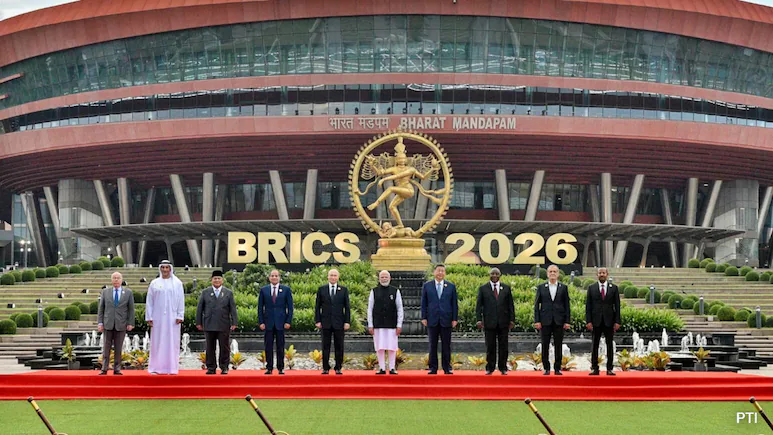
The central diplomatic friction stemmed from competing regional perspectives in West Asia, with Iran, the United Arab Emirates (UAE), and Saudi Arabia being at war and holding vastly different geopolitical priorities and strategic alignments in the region. India, however, acted as a bridge-builder to bring all contending parties on the same page. This was achieved by delivering a strong, unified response in the Declaration to the escalating crisis in West Asia, explicitly denouncing unilateral military actions and acts of war. Demanding maximum restraint and immediate de-escalation, the bloc firmly opposed the forced displacement of Palestinians, while advocating for dialogue, diplomacy, and adherence to international law India’s BRICS Chairmanship was anchored in a clear, human-centric vision focusing on Resilience, Innovation, Cooperation, and Sustainability. Moving past abstract geopolitical grandstanding, India anchored the summit’s agenda around tangible, practical, useful, and functional solutions for real-world development and benefits to common people. Modi’s talks with President Pezeshkian focused on the West Asia crisis, with India strongly advocating for dialogue and diplomacy while addressing critical energy cooperation, safety of seafarers, and maritime trade security. The major outcomes of these extensive sideline engagements, alongside meetings with other global leaders like South Africa’s Ramaphosa, Kazakhstan’s Tokayev, Egypt’s El-Sisi, and others, resulted in significantly expanding India’s engagement with a broader global community. Far from projecting an anti-Western stance, the spirit of the declaration remains open to engagement with all partners. Indeed, pushback against BRICS has primarily emanated from US President Trump and some policy circles in the United States rather than the broader Western world. Many European and Western economies continue to maintain deep, productive bilateral ties with BRICS members. In fact, French President Macron, as the Chair of G7, has called for closer cooperation between G7 and the BRICS.
During the preceding meeting of BRICS Foreign Ministers in May 2026, member states were unable to agree on a consensus statement due to sharp ideological and geopolitical differences. On the sidelines of the Summit, PM Modi engaged in a marathon of high-level diplomacy, conducting more than 15 structured bilateral meetings highlighted by critical interactions with Russian President Vladimir Putin, Chinese President Xi Jinping, and Iranian President Masoud Pezeshkian. PM Modi’s long-awaited, 50-minute-long bilateral meeting with President Xi Jinping marked a significant advance to mend fences after years of border standoff, while taking cognisance of the huge trade deficit between the two countries; both leaders welcomed the recent stabilization of ties, emphasizing the need to uphold existing pacts and maintain peace and tranquility along the Line of Actual Control (LAC).
They expressed deep concern over “deliberate attacks” on civilian infrastructure and peaceful nuclear facilities, a tacit condemnation of recent US-Israeli strikes in Iran without mentioning any country by name. In his meeting with President Putin, Modi reaffirmed the India-Russia “special and privileged strategic partnership,” focusing on boosting bilateral trade toward a $100 billion target by 2030 while enhancing India’s exports to Russia, alongside expanding ties in defense, energy, infrastructure, and technology.
The achievement of a consensus declaration at the summit level is particularly striking when viewed against the backdrop of earlier deliberations.
