
European militaries are increasingly exploring cheaper missiles and interceptors after conflicts in Ukraine and the Middle East exposed the limits of small inventories of high-end weapons.
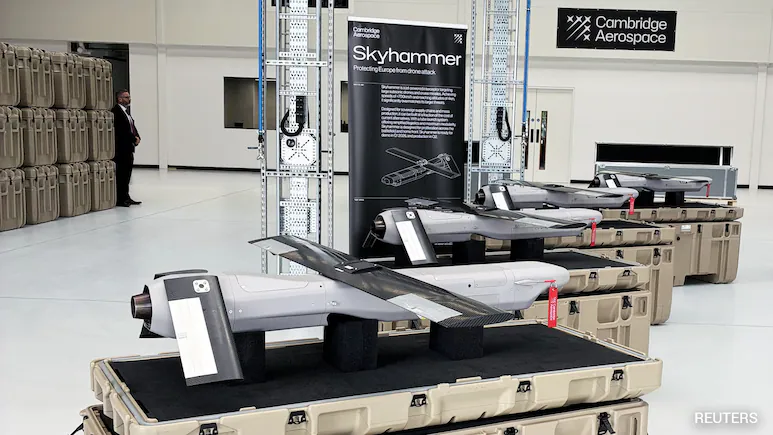
Fire Point uses a network of manufacturing partners, while Destinus has plugged into Rheinmetall’s industrial base through a joint venture announced earlier this year. The Netherlands in June ordered 700 Ruta Block 2 cruise missiles from European startup Destinus for Ukraine in a €250 million ($288 million) deal, while Britain’s Ministry of Defence awarded initial Skyhammer interceptor contracts to Cambridge Aerospace. Steven Barrett, chief executive of Cambridge Aerospace, said Russia could launch up to 900 Shahed-type drones in a single night. Andreas Bappert, chief technology officer of missile company Frankenburg, said future systems must reduce the cost of a successful interception from as much as €20 million to around €1 million to €2 million. Fire Point hopes to demonstrate a successful ballistic-missile interception by mid-2027, compressing what Chief Executive Iryna Terekh said would otherwise be a decades-long process into a few years.
“If you think you have enough cruise missiles in your inventory, you probably don’t,” said Douglas Barrie of the International Institute for Strategic Studies. “Big wars are fought with numbers, not wonder weapons,” said Stockholm International Peace Research Institute researcher Markus Schiller. Attempting to defeat them with traditional interceptors, as the US has at times done in the Middle East, “would cost billions of dollars per night … which is just impossible for any of our allies to sustain,” he said. Frankenburg Chief Executive Kusti Salm said manufacturing capacity itself could become a deterrent if adversaries concluded Europe could rapidly replace missiles consumed in combat.
