
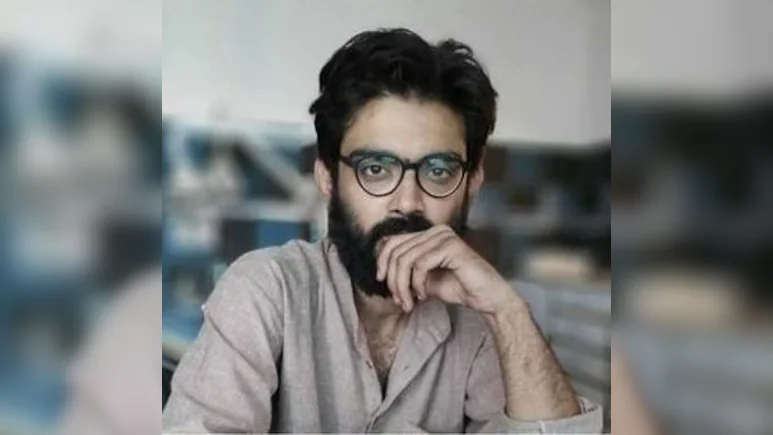
A Delhi court has approved interim bail for student activist Sharjeel Imam, allowing him to attend his cousin’s wedding. Imam will be temporarily released from October 4 to October 10. This decision marks a brief respite for the activist, who has been incarcerated.
A division bench of Justices Prathiba M. Singh and Vikas Mahajan had sought the police’s response and posted the matter for further hearing. Imam is among several accused booked under the UAPA and other penal provisions.
The trial court had earlier dismissed the regular bail pleas of Imam and co-accused Umar Khalid, relying on the Supreme Court’s January 5 order declining them bail and prescribing the circumstances in which they could renew their pleas. Earlier this year, the Supreme Court declined to grant bail to Imam and Khalid, holding that the prosecution material disclosed prima facie grounds attracting the statutory embargo under Section 43D(5) of the UAPA, while granting bail to five other co-accused. More recently, the top court granted six months’ interim bail to co-accused Tasleem Ahmed and Khalid Saifi while referring to a larger Bench the question of whether prolonged incarceration and delay in trial could justify bail despite the restrictions under Section 43D(5) of the UAPA. The case relates to the alleged larger conspiracy behind the February 2020 Delhi riots.
The Delhi Police has opposed the bail pleas of Imam and Khalid before the High Court, describing them as “masterminds” of the alleged conspiracy and contending that their fresh pleas were not maintainable in view of the Supreme Court’s January 5 order.
Earlier, the Delhi High Court had issued notice to the Delhi Police on Imam’s plea challenging the trial court’s refusal to grant him regular bail in the case.
Karkardooma Court Grants Relief to Imam in Riot Case
The Karkardooma Court has granted relief to an Imam involved in the prosecution linked to the 2020 North-East Delhi riots. This case is part of a larger conspiracy investigation registered under the Unlawful Activities (Prevention) Act (UAPA) and other legal provisions.
