

Last year, five young women from the Cities for Youth Programme in Ajmer decided to set up Apno Thiyo, pop-up chai stops, not just to serve tea, but to create a safe, open, and public space for women to gather and chat.
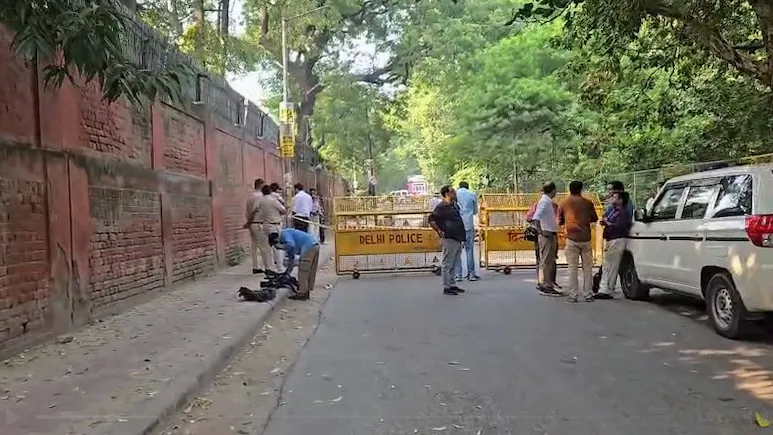
Initiatives like this remain few and far between. In what can only be described as a knee-jerk reaction, the Lady Shri Ram College near the park was shut for a day and classes taken online to safeguard student safety. Wherever women have got opportunity to travel without restrictions, it has made a significant impact on their lives and livelihoods. A report on the impact indicates increased employment and enhanced mobility. Clearly, women benefit from access to safe public transport and public spaces.
As the gang-rape of a 17-year-old at the Astha Kunj Park in Delhi shows the first instinct whenever there is sexual violence against women is to deny them the freedom to use public spaces. No one thought the poor lighting and inadequate security around the 142-acre Astha Kunj Park, where the 17-year-old had gone with a male friend, was to blame. Many initiatives across India have since then promoted the idea of women who loiter, from the Why Loiter?, a campaign started in 2014 to occupy public streets, parks, and transit at all hours simply to hang out, do nothing, and exist without a stated purpose to the Students’ Federation of India’s recent Reclaim the Night march on September 1, protesting the gang-rape of a 16-year-old girl from Greater Noida. Women in Kolkata also went on Reclaim the Night marches to protest against the rape and murder of a 31-year-old doctor in the RG Kar Medical College and Hospital. In June 2023, Karnataka introduced the Shakti programme, providing free passes for women and transgender residents on its state transport buses. Reports show a 23 per cent rise in women’s employment in Bengaluru and a 21 per cent increase in Hubballi-Dharwad following the introduction of the free travel initiative, while 87 per cent of surveyed women reported that fare-free travel reduced their need to walk long distances, while facilitating regular trips to work, family visits, and pilgrimages. Free bus rides on state transport has also been in existence in Delhi since 2019 through the fare-free public transport (FFPT) scheme started in 2019. A report on the impact by the civil society organisation World Resources Institute shows that between 2019 and 2023, women’s share of total daily ridership increased by 20 per cent but without last-mile connectivity, the policy did not necessarily improve overall women’s safety.
The LSR students who marched in protest were not merely expressing support for the survivor but also reiterating their right to breathe the “night air”.
