
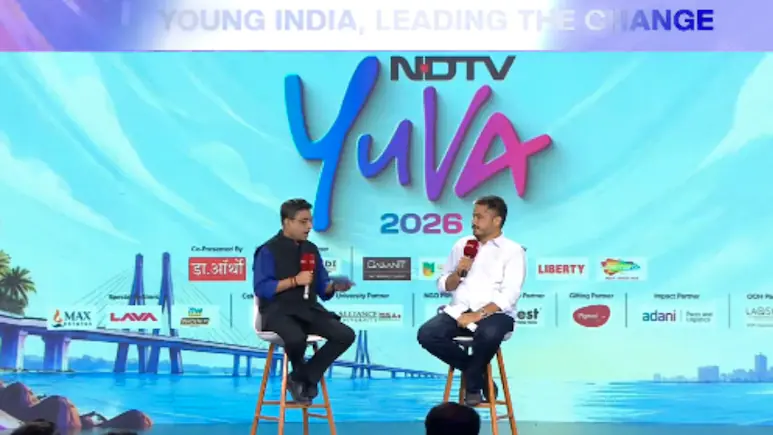
The Gen Z in the country has made its presence felt with the Cockroach Janata Party protests and now many politicians are afraid of it, Nationalist Congress Party leader Rohit Pawar told NDTV at the NDTV Yuva Conclave today.
The Karjat-Jamkhed MLA, known for his active political engagement with youth, employment, development, and grassroots issues, told NDTV that there should be an effort to understand the Gen Z on part of the political establishment.
“But youth are smart. They pay attention to your actual work, the issues you address, and how you fight for them. Don’t fake it. If you act, the youth will spot it immediately. But if you genuinely address an issue that affects them – like education or youth policy – they will stand by you. As example, he cited Maharashtra officer Tukaram Mundhe.
It all depends on your approach,” he said.
Today, too much focus is placed on caste-based and religion-based politics. “Right now, what is happening is that during the protest in Delhi, many youth and Gen Zs showed up. Their movement became so large that a minister had to step down, marking a huge success. Seeing that, many politicians in power are now afraid of Gen Z. These outreaches included the ones on social media and attempts to figure out what they like — for example the time when Prime Minister Narendra Modi went to a devotional event. Anyone in politics who genuinely fights for youth issues will win their support,” he added. “You have to clearly state what changes you want in education, what policies you intend to bring, and then take action. “Nobody cared about caste or religion. They cared that an injustice was done regarding the NEET exam. This movement. he added, will only grow. They aren’t afraid to speak out on social media or challenge powerful leaders. If politicians want to stay relevant, they must adapt to issue-based politics and provide clear roadmaps,” he added.
Because they deliver results, “There are many officers doing great work who weren’t in the public eye before, but now Gen Z supports them. Because it affected their generation as a whole,” he said, young people from engineering, commerce, and various fields came together. “Those aged between 18 and 40 make up around 55 per cent of the population.
So, they started initiatives to reach Gen Z,” he said. These, he said, are only efforts to convince the Gen Z that they are trying to “align” with them. Asked about the expectations of Gen Z, he said issue-based politics is extremely crucial to them. If someone speaks out against a major leader, the party machinery – from ministers down to workers – focuses solely on trolling or defending that leader rather than addressing the core issue,” he said. Asked if this would ultimately lead to a new era in politics that would phase out the emphasis currently laid on caste and religion, Pawar pointed to the CJP protests in Delhi, where “despite efforts by various factions to introduce religious or caste angles, the youth remained completely focused on their core demand — accountability and resignations”.
