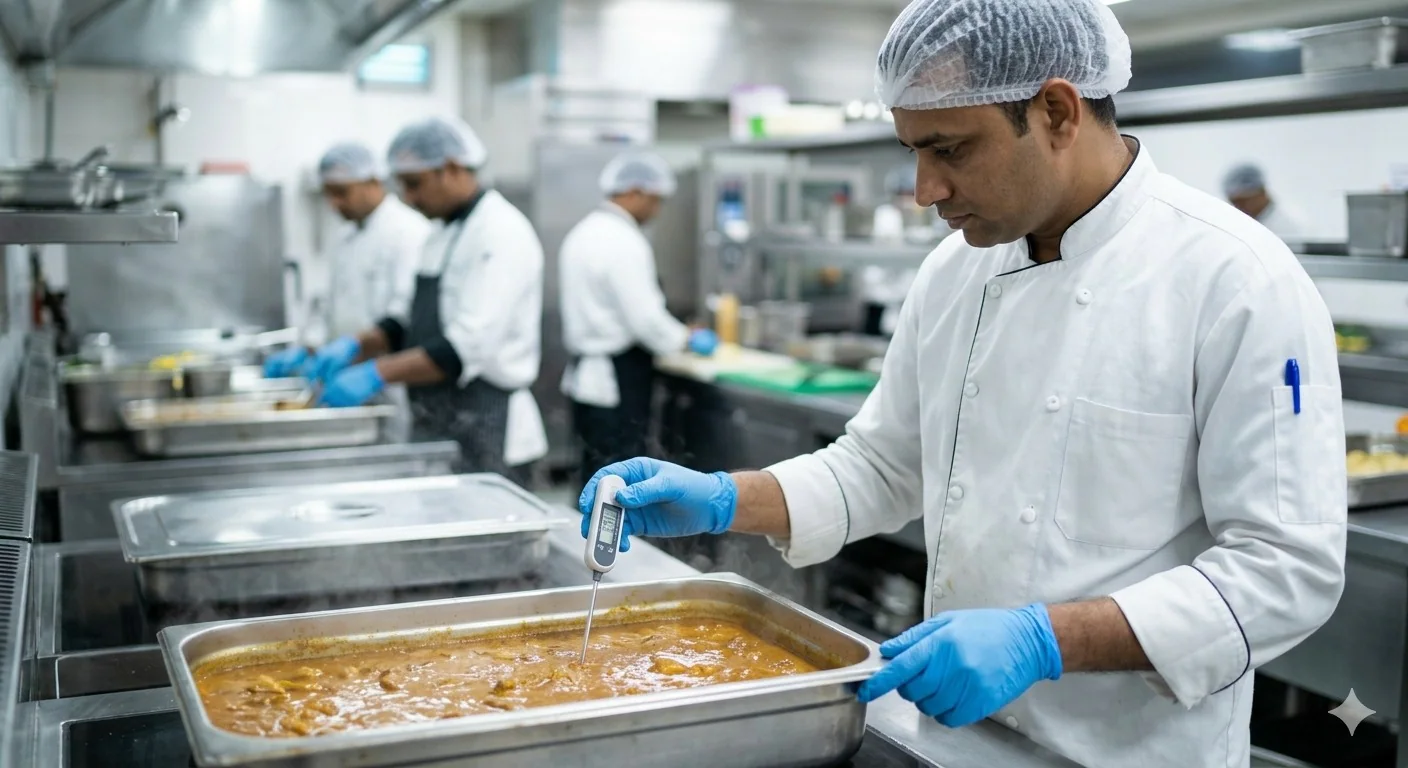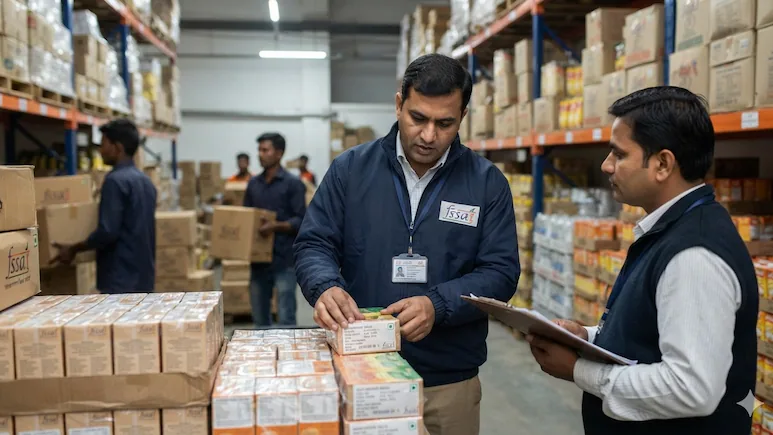
The same day, he launched a sweeping enforcement drive across the state, starting with the milk supply chain. Four months on, the officer’s name has become shorthand for a kind of food regulation India’s middle class had almost stopped expecting. On 25 May, IAS officer Tukaram Mundhe took charge as Food Commissioner of Maharashtra.
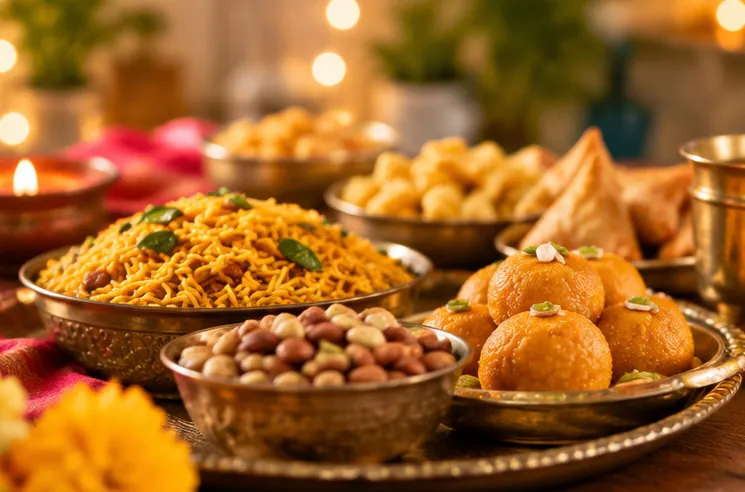
These include lost farm and company sales, reduced trade revenue and food waste. As the festive season begins, Mundhe’s crackdown has landed at the centre of a bigger question. India is inspecting and testing more food than ever before. Is that enough to make the mithai box, the ghee in the puja thali and the paneer on the festive menu safe? But the number needs careful reading. The government reports only the non-conforming count, a category that can include adulterated, sub-standard, contaminated or misbranded food, without a breakup. Most failures, in other words, were about quality and labelling, not immediate danger to health. But a large unsafe category remains, and consumers cannot see how it splits by food type. Regulators know this is the riskiest stretch of the year for food safety. FSSAI has pointed out that demand for sweets, savouries, milk, ghee, khoya and paneer rises during festivals, and that this increases the economic motive to adulterate. Maharashtra’s festive drive shows what visible enforcement looks like. Seized items included khoa, paneer, ghee, cream, sweets, shrikhand, lassi, coconut oil, farsan and potato wafers. The action did not stop at small operators. However, some skeptics argue that even this activism is like plastering a band-aid on a septic wound, and that the informal food sector will need years of sustained enforcement. India has no reliable national estimate for what adulterated food alone costs the country in medical bills. The closest evidence covers foodborne disease as a whole, and the figures are large. The World Bank also points to costs that are harder to count.
The last detailed split available, for 2023-24, shows why that matters. Of 33,808 non-conforming samples that year, 22,603 were sub-standard, 6,782 were unsafe and 4,423 had labelling defects. Between 23 and 27 September, the FDA suspended the licences or registrations of 30 establishments and seized more than 50,000 kg of food valued at Rs 1.19 crore. A separate crackdown on banned products led to 22 FIRs, 30 arrests, three establishments sealed and stock worth Rs 30.63 lakh seized. The FDA suspended the licence of Kyani & Co, a 122-year-old Mumbai cafe, after finding hygiene violations. In Malad East, the department seized 2,464 kg of ghee, refined sunflower oil and vanaspati from a dairy that allegedly mixed them with branded ghee and sold the blend as “Pooja Ghee. The World Bank estimated that unsafe food costs low- and middle-income economies about $110 billion a year in lost productivity and medical expenses. India accounts for $15 billion of the burden. Of the total, productivity loss is put at $95.2 billion and the annual cost of treating illness at around $15 billion.