
Washington’s decision to hold off tariffs of up to 100% that a new US sanctions law would have triggered against India for buying Russian oil offers only temporary relief, people familiar with the matter said, as Indian refiners have already cut their Russian purchases and are paying more for the oil that replaced them.
Punishing other countries for buying Russian energy while doing so itself would invite accusations of double standards. “For India, the waiver buys time but offers no lasting certainty. Because of higher freight and insurance charges, they said, refiners have replaced it with crude from the US, West Africa, South America and traditional West Asian suppliers, which costs more, partly.
“Under its October 9 agreement with Russia, the US decided to buy Russian diesel to ease domestic shortages and high fuel prices. Washington had also agreed not to raise tariffs on China until January 10 under a deal reached during President Xi Jinping’s US visit last month. Russia’s share of Indian oil imports fell from 51% in July to 44% in August as India bought more from the US, despite higher prices, and from the UAE.
The experts said the waiver offers no long-term assurance either for India’s energy security or for its trade talks with the US, in which New Delhi is seeking a comparative tariff advantage for Indian goods over competing countries. Commerce and industry minister Piyush Goyal said on Thursday that the first tranche of the trade agreement would be put into operation once India secured a “competitive advantage” over its peers. With US spared, and China shielded, targeting India alone could derail ongoing bilateral trade negotiations,” he said. The message was clear, Srivastava said: US interests determined when penalties applied. Yet SRIA [the Sanctioning Russia and Iran Act] remains law, leaving Washington free to revive the tariff threat to extract concessions in bilateral trade talks,” he said.
Imports of discounted Russian crude have fallen by a third since July, industry executives said, and India’s crude import bill rose 31.6% in September from August even though volumes grew only 14.2%, according to the petroleum ministry’s Petroleum Planning and Analysis Cell (PPAC).
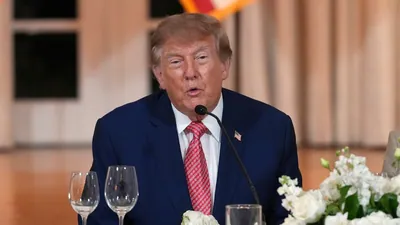
Refiners began reducing their exposure while the bill was still moving through Congress , before US President Donald Trump signed the Lindsey O Graham Sanctioning Russia and Iran Act (Graham Act) into law on September 18, company executives and industry experts said on condition of anonymity. They expected geopolitical conditions and the approaching US midterm elections to make it difficult for Washington to enforce the act from October 18, but stepped up imports from the US and other suppliers anyway. Imports of Russian crude have dropped to about 1.8 million barrels a day from around 2.7 million at the July peak, they said.
