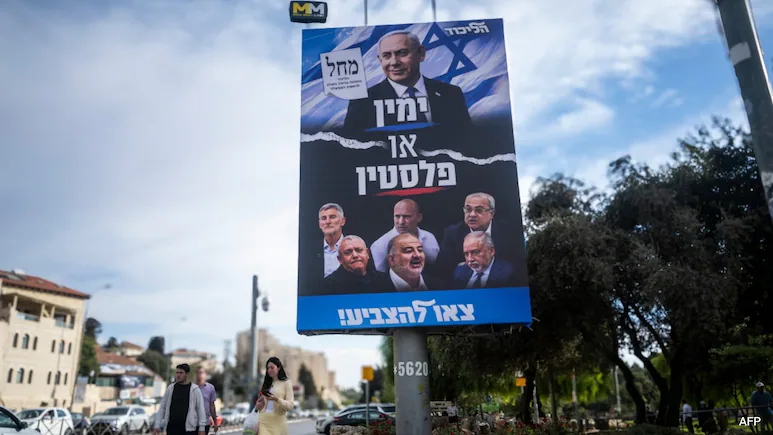
Israel’s general election on October 27 will determine whether the country’s longest-serving prime minister, Benjamin Netanyahu, will remain in power.
The Israeli electorate is fragmented into multiple parties, with 38 lists competing this year, according to Central Elections Committee figures, though two have announced they are dropping out.
It was Naftali Bennett who managed to become prime minister at the head of a varied coalition, even though his party had won just six seats in parliament. Parliament can be dissolved early by a simple majority vote, which is common in Israel. Voters cast their ballots for members of parliament via party lists of candidates. They may vote for only one list and do not provide ranked preferences. Once the ballots are counted, negotiations begin on forming a coalition. The president, currently Isaac Herzog, is legally responsible for appointing the list leader best placed to form a coalition, based on recommendations submitted by the parties.
Israel’s legislature consists of a single body, the Knesset, with 120 members elected for a four-year term. The large number of parties makes it virtually impossible for any single one to obtain the absolute majority of 61 seats needed to form a government. In 2021, after the fourth election in less than two years, Netanyahu failed to form a government.
The law stipulates that elections must be “general, national, direct, equal, secret, and proportional”.