The results will determine which party controls Congress for the final two years of President Donald Trump’s second term. A key voting bloc in this electoral exercise will be Indian Americans, who make up a relatively small share of the US population, but their concentration in particular states and congressional districts gives them a distinct place in the country’s electoral landscape. The November 3 US midterm elections will decide all 435 seats in the House of Representatives and 35 Senate seats, alongside governorships, state legislative races and local offices.
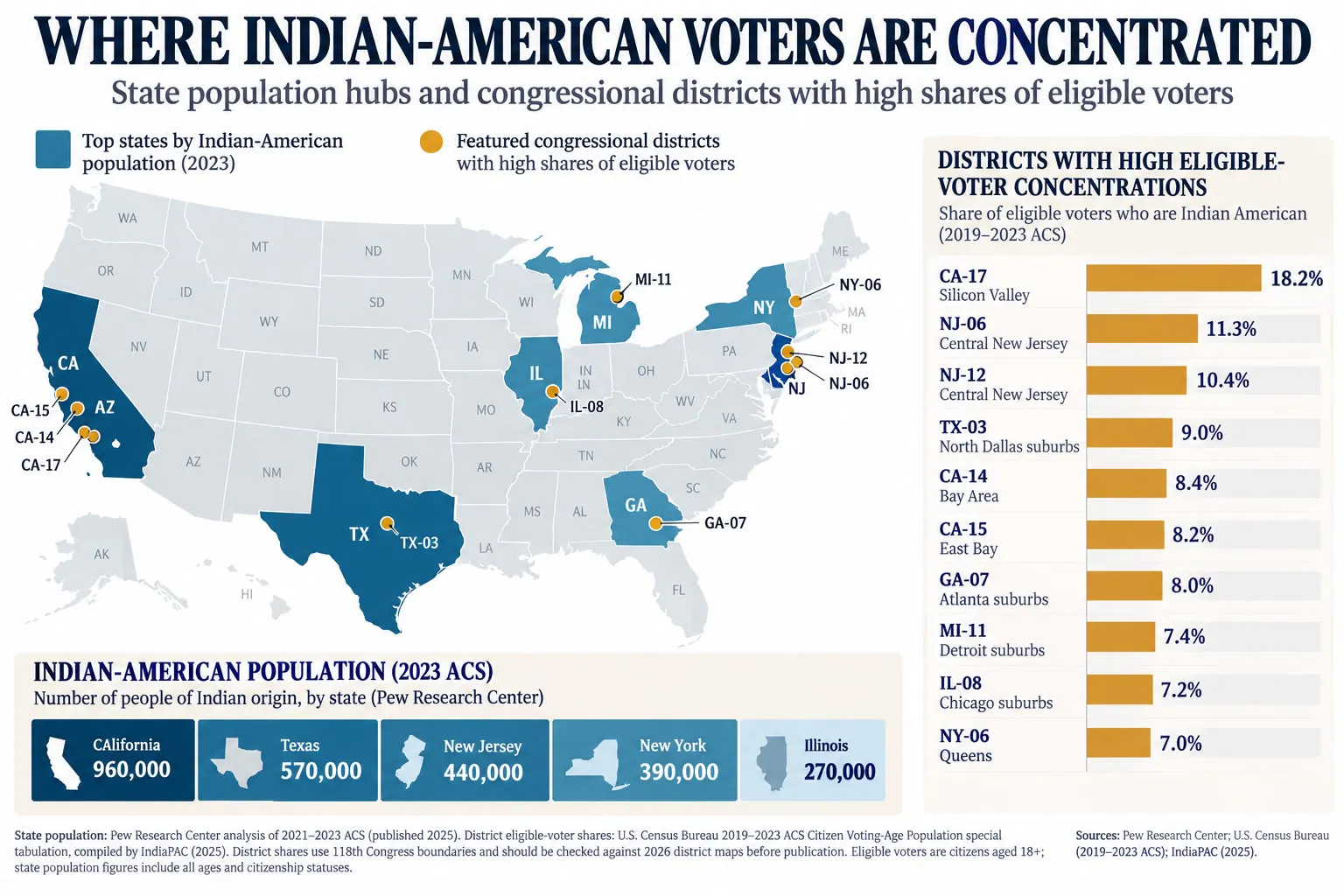
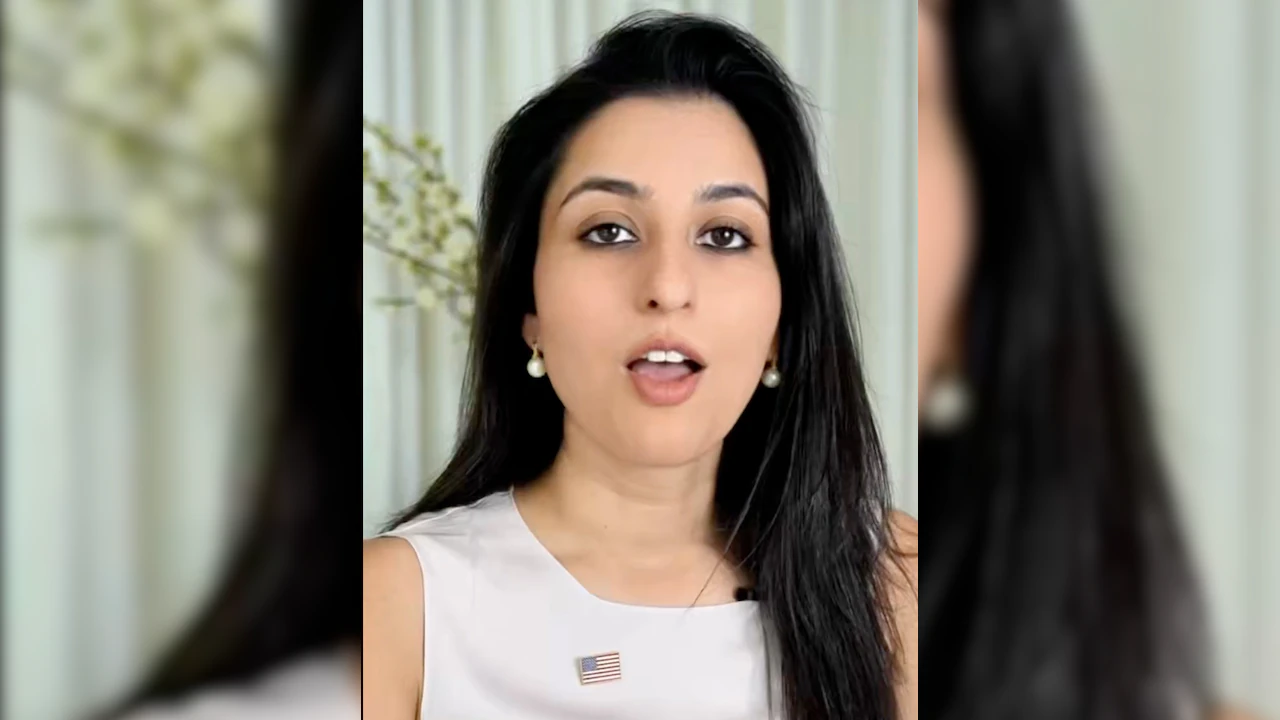
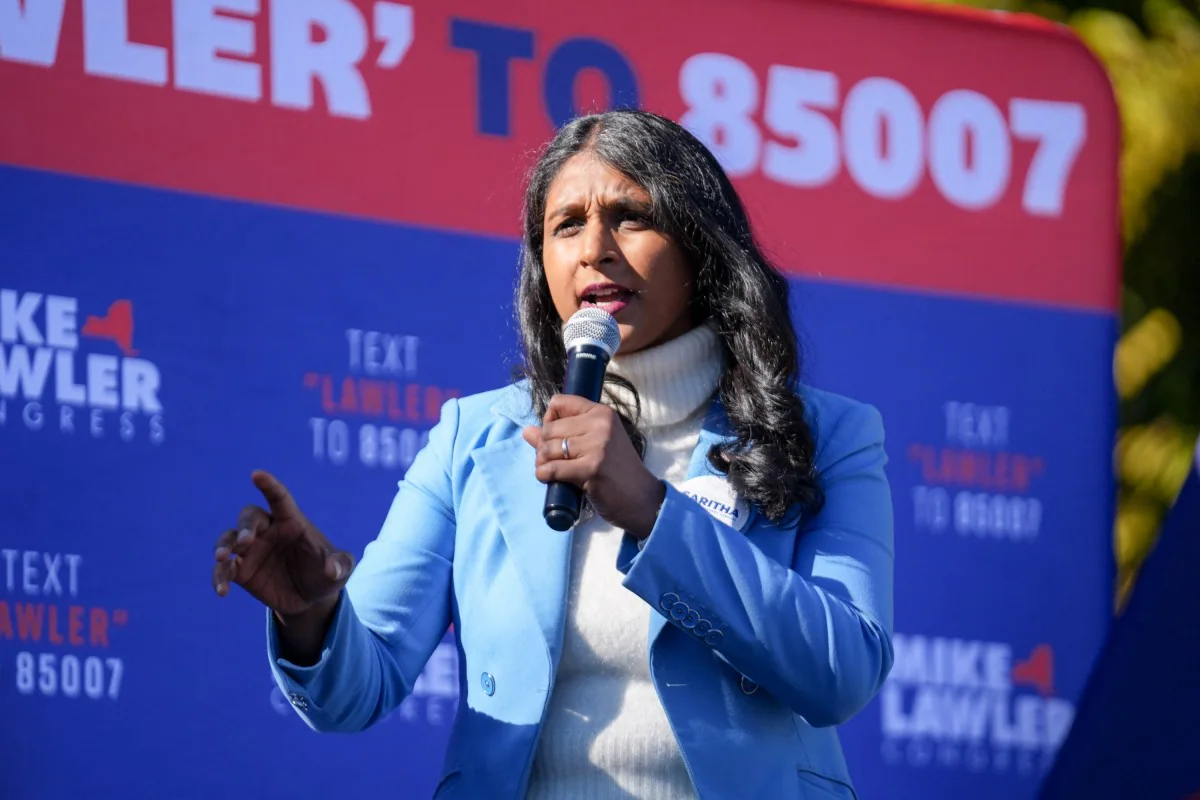
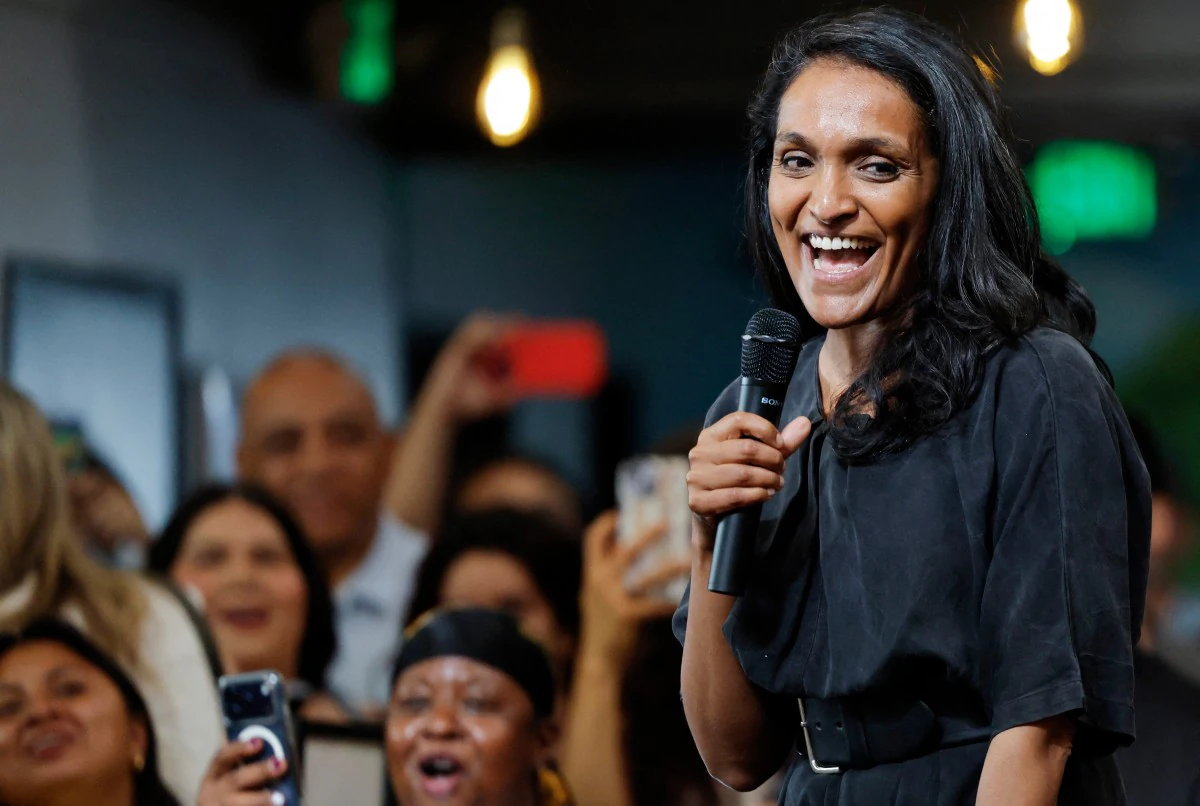
But population is not the same as electoral strength. Their influence also depends on turnout and the constituency in which they live. A concentrated electorate can matter in a closely contested district, while a larger population spread across many districts may have less direct influence on any single race. The community’s presence extends beyond traditional hubs. Indian Americans also live in substantial numbers in parts of Virginia, Georgia, Pennsylvania and Michigan, states that feature prominently in national electoral calculations. These figures measure party identification, not how respondents intend to vote in a particular election. The surveys also use different questions and methods, so their results should not be treated as a direct, like-for-like trend line. Taken together, the research points to a community that remains broadly Democratic leaning but is not politically uniform. Republican identification has not risen in step with the decline in Democratic identification; a significant share of respondents increasingly identify as independents. Economic concerns, immigration and healthcare are important to understanding the community’s political choices. The cost of living is also a wider national concern. For many Indian-American families, immigration policy has a particular resonance. Changes to skilled-worker visas, permanent residency and family migration can affect professionals, employers and households with relatives in India. The Carnegie survey found widespread disapproval among Indian Americans of Trump’s handling of immigration and the economy. It also found negative assessments of his management of US-India relations, although many respondents had no opinion on the latter. Pia Dandiya: South Florida’s 22nd Congressional District Thirty-nine-year-old Democrat Pia Dandiya is contesting the midterm polls from South Florida’s 22nd district. She too has favourable prospect against her Republican rival Casey Askar. Saritha Komatireddy: New York attorney general Republican Saritha Komatireddy is challenging Democratic incumbent Letitia James for New York attorney general. Nithya Raman: Los Angeles mayor Los Angeles City Council member Nithya Raman is challenging incumbent Mayor Karen Bass in the city’s mayoral race. Raman, who was born in India, has built a political profile around progressive priorities and local issues including housing and homelessness. Other Indian-origin candidates in the US are contesting state legislative races, including Pooja Sethi and Sandeep Srivastava in Texas. The community’s political influence cannot be measured by the number of Indian-origin candidates alone. The key factors are the number of eligible voters in a constituency, their turnout, their preferences and the margin separating candidates. A district with a concentrated Indian-American electorate may offer a different electoral dynamic from a state with a larger but more dispersed population.
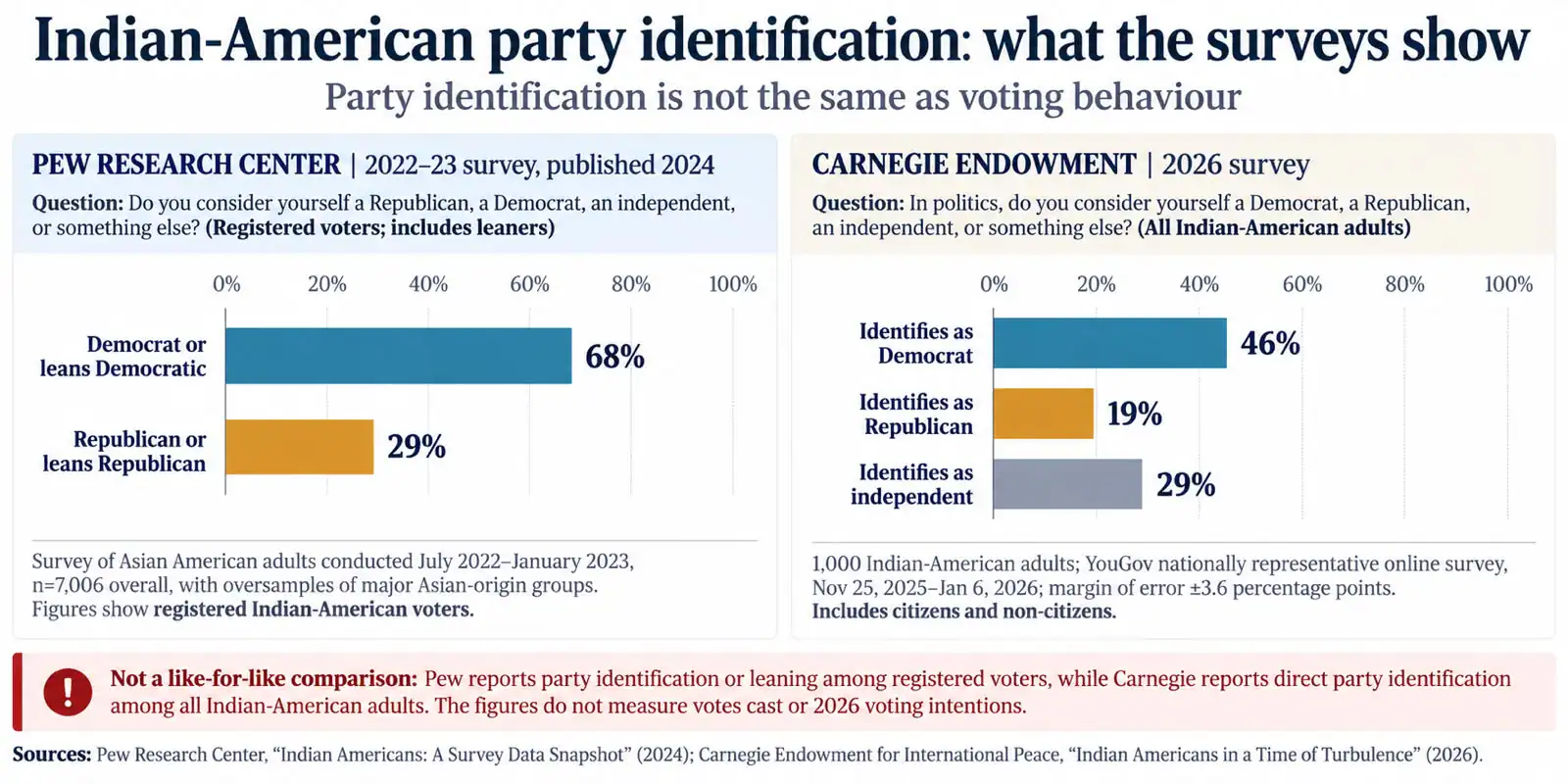
The findings therefore offer a snapshot of preferences rather than a prediction of the final vote. The United States had about 5.2 million people of Indian origin, according to Pew Centre report in 2023 that cites the US Census Bureau data. And almost half of Indian Americans live in four states: California: 20% Texas: 12% New Jersey: 9% New York: 7% The New York metropolitan area, the San Francisco Bay Area and the Dallas region are among the major population centres. Only US citizens aged 18 and over can vote in federal elections. Pew estimated that around 2.2 million Indian Americans were eligible to vote in 2022. In Pew’s survey , 68 per cent of registered Indian-American voters identified with or leaned towards the Democrats, while 29 per cent identified with or leaned towards the Republicans. The survey drew on interviews conducted in 2022 and 2023. The 2026 Indian American Attitudes Survey by Carnegie, conducted with YouGov, found that 46 per cent of respondents preferred Democrats, compared with 19 per cent who identified as Republicans. The share identifying as independent had risen to 29 per cent. A separate 2026 Asian American Voter Survey by AAPI Data and APIAVote found that 66 per cent of Indian-American respondents preferred a Democratic candidate for the US Senate, against 22 per cent who preferred a Republican. For the House, 66 per cent favoured Democrats and 18 per cent Republicans. The survey was conducted between June 3 and July 27, 2026, among 2,066 registered Asian American and Pacific Islander (AAPI) voters. The Indian-American subgroup comprised 242 respondents, with a smaller sample for the Senate question. An AP-NORC poll published in October 2026 found that about eight in 10 registered voters considered reducing living costs a top priority for the next Congress. Shah, 48, also ran for the seat in 2024. Komatireddy has received the backing of US President Donald Trump who had nominated her for a federal judgeship in the Eastern District of New York in May 2020. Data from the AAPI Data/APIAVote 2026 Survey indicates that 90 per cent of registered Indian-American voters plan to vote, with 71 per cent expressing absolute certainty. These voters can influence tight races in key battleground states and congressional districts during the 2026 US midterm elections.
He has a favourable prospect in the race for US House of Representatives in Arizona, according to pre-poll predictions quoted by news agency PTI.
Indian-American voters have historically leaned towards the Democratic Party, but recent surveys suggest their political loyalties are becoming less settled. However, Indian-Americans have historically exhibited high civic engagement and voter participation rates.
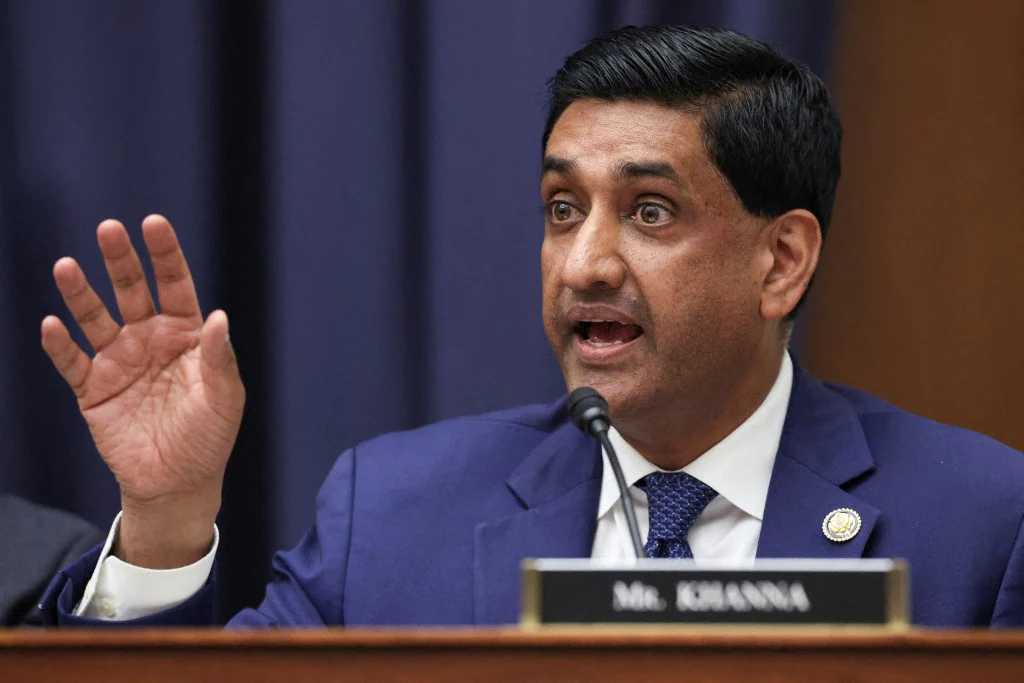
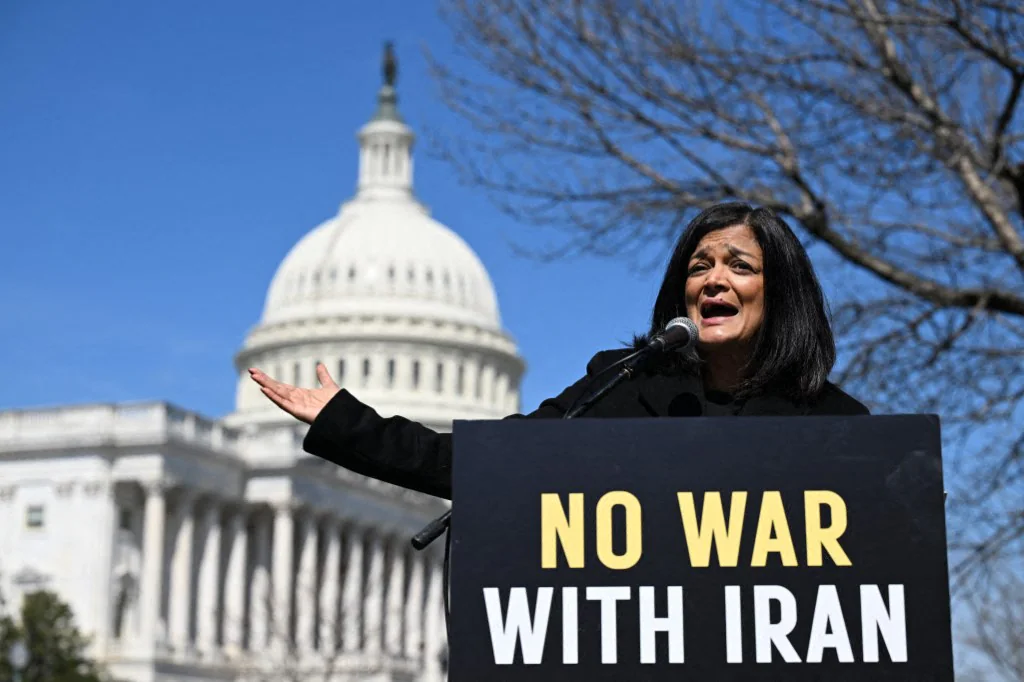
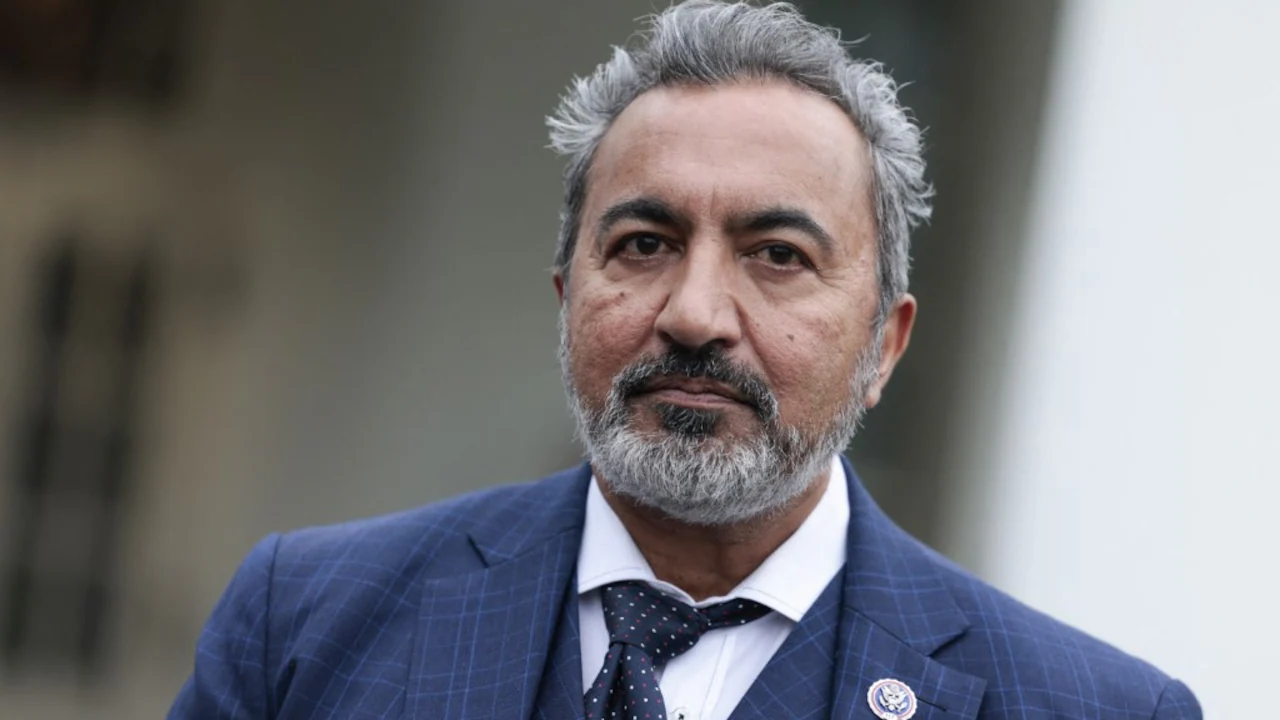
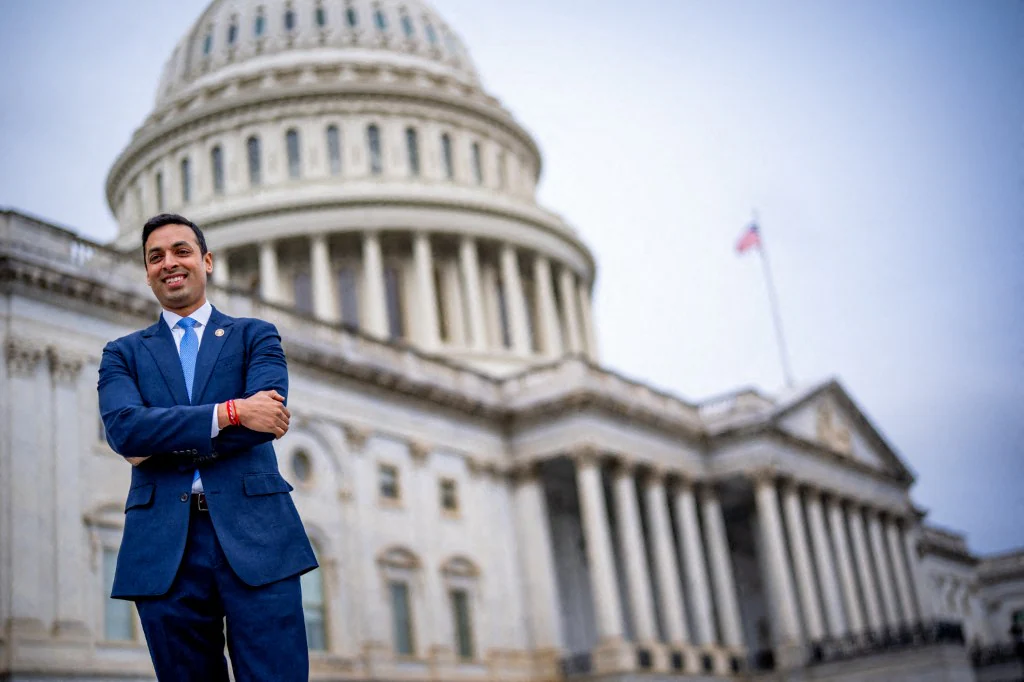
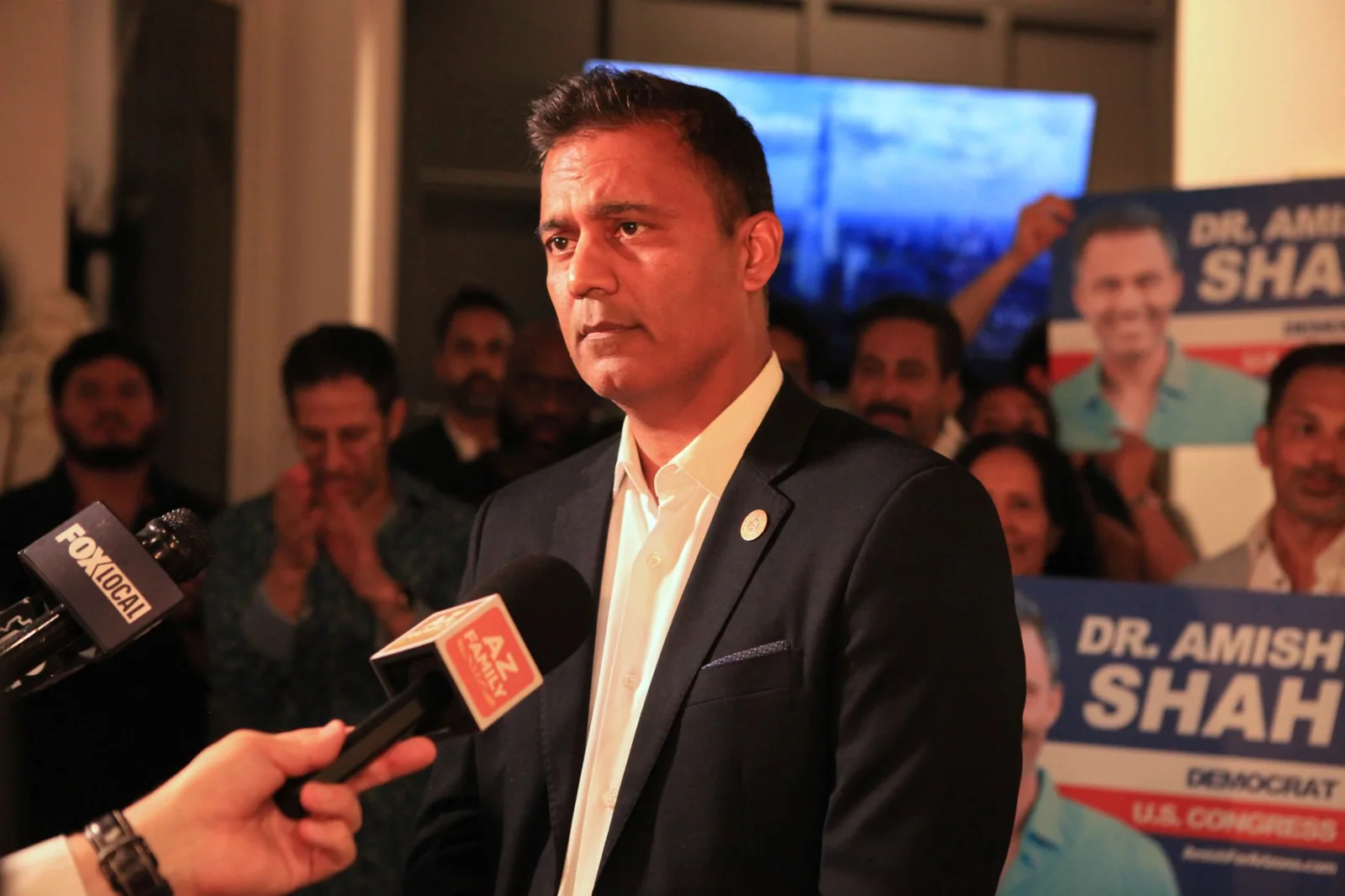
That does not mean foreign policy determines the community’s vote. Nor does Indian ancestry imply a shared political outlook. Indian Americans differ by generation, religion, income, education and ideology, and their choices are shaped by domestic concerns as well as views on the relationship between Washington and New Delhi. Indian-origin candidates are contesting elections both as Democrats and Republicans. Their campaigns span the House of Representatives, a major gubernatorial contest and state and local offices. His gubernatorial campaign is among the most prominent statewide contests involving a candidate of Indian origin. It also underlines the range of political views represented within the diaspora: Ramaswamy is a prominent conservative Republican. Ro Khanna: California’s 17th Congressional District Democratic Representative Ro Khanna is seeking re-election in California’s 17th district, which includes parts of Silicon Valley. He faces Republican Ritesh Tandon, setting up a contest between two candidates of Indian origin from opposing parties. Khanna has established a national profile through his work on technology, economic policy and progressive causes. Pramila Jayapal: Washington’s 7th Congressional District Democratic Representative Pramila Jayapal is seeking another term in Washington’s 7th district. Born in Chennai, Jayapal is a prominent progressive voice in debates on immigration, healthcare and economic inequality. Her Republican challenger, Nirav Sheth, is also of Indian origin. Ami Bera: California’s 3rd Congressional District Democratic Representative Ami Bera is running for re-election in California’s 3rd district. Suhas Subramanyam: Virginia’s 10th Congressional District Add image caption here Democratic Representative Suhas Subramanyam is seeking re-election in Virginia’s 10th district, which includes parts of Northern Virginia. His campaign is part of the effort by Indian-American lawmakers to retain their representation in Congress. Amish Shah: Arizona’s 1st Congressional District Democrat Amish Shah, a physician and former Arizona state legislator, is contesting Arizona’s 1st district against Republican Jay Feely, a former professional football player and broadcaster.
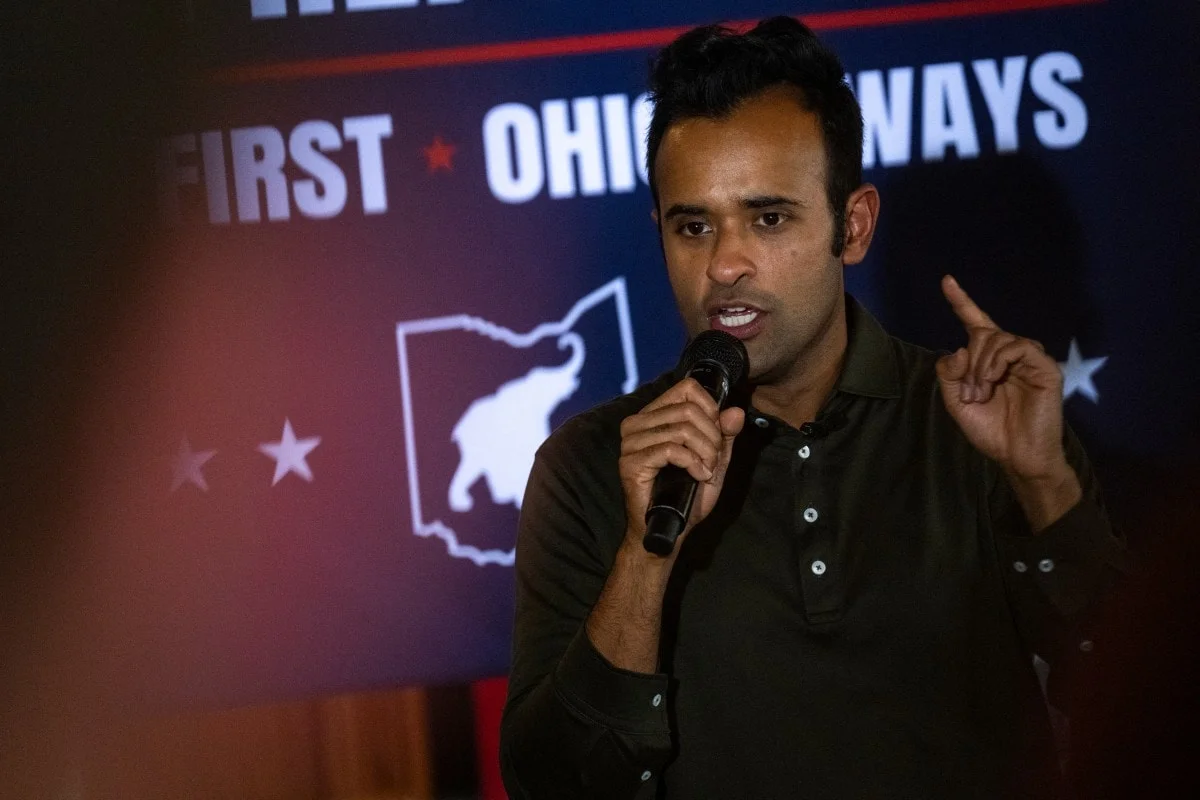
Here are some of the prominent races in the November 3 elections: Vivek Ramaswamy: Contesting for Ohio governor Trump-backed Republican Vivek Ramaswamy is running for governor of Ohio against Democrat Amy Acton. The biotech entrepreneur, whose parents immigrated from India, ran for the Republican presidential nomination in 2024. A physician before entering politics, Bera has served in Congress since 2013 and is among the longest-serving Indian-American members of the House.