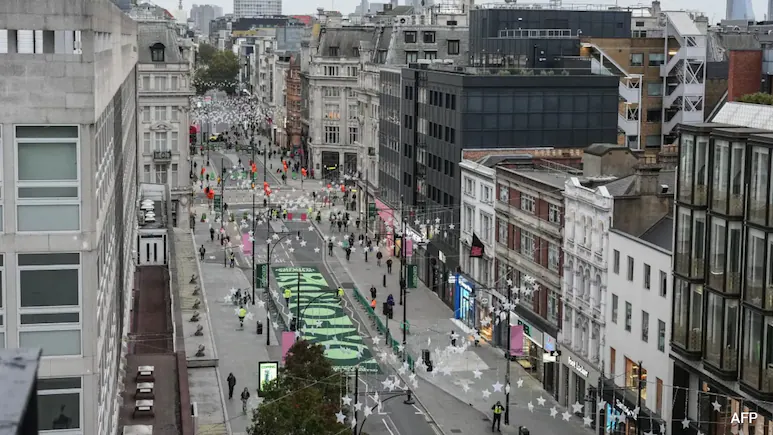
The first phase covers the stretch between Orchard Street and Great Portland Street. Cars, buses, taxis, bicycles, scooters and pedicabs are no longer allowed through the area, giving pedestrians more room to walk. London’s famous Oxford Street became traffic-free on Monday, October 26, as authorities began a major transformation of one of the city’s best-known shopping destinations.
The decision was widely welcomed and supported by local traders while speaking to NDTV .
Urban planners and environmentalists also praised the revamp for significantly reducing local air pollution and transforming what was previously a congested traffic corridor into a visual heritage site.
What Happens Next?
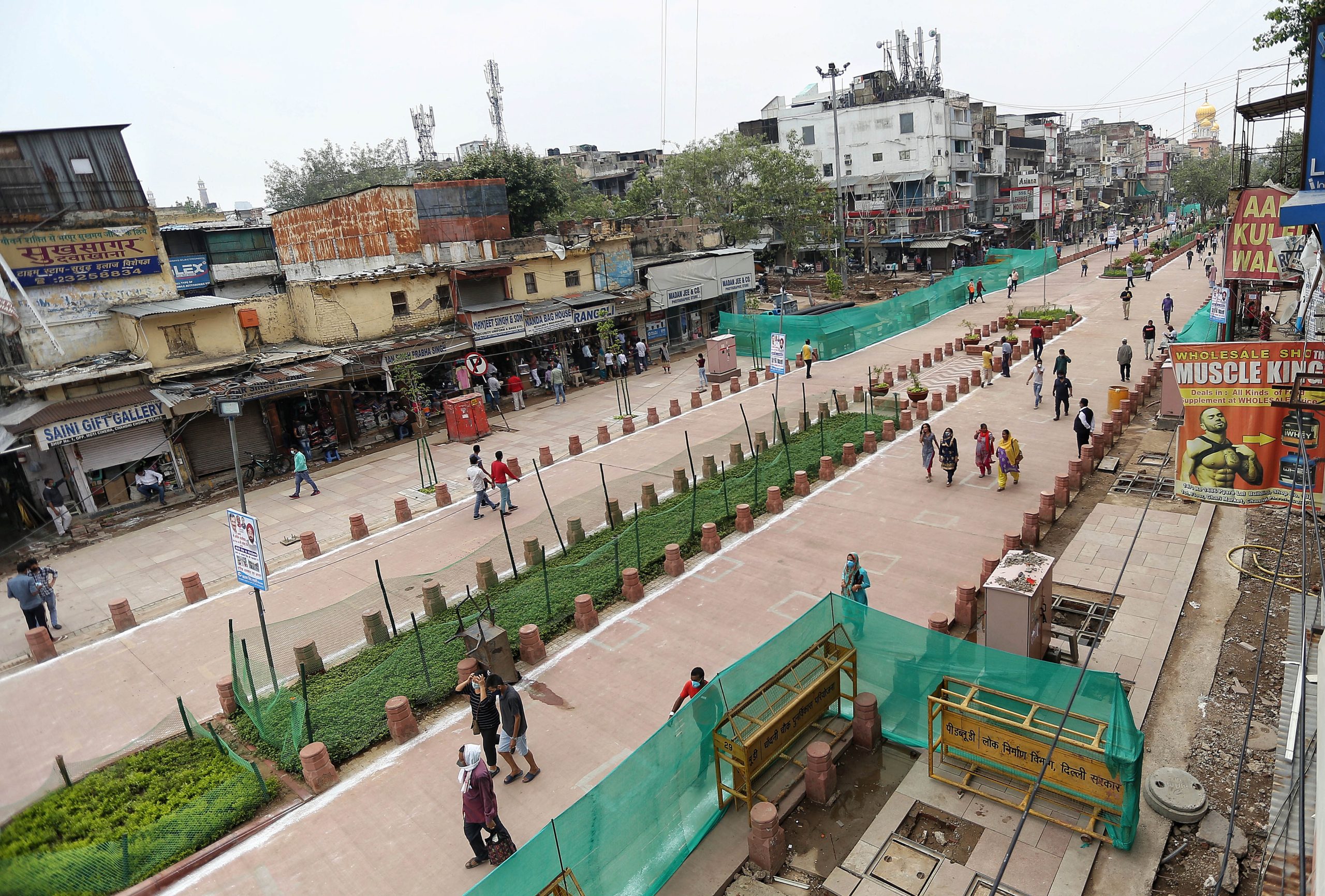
Oxford Street still sees about half a million visitors a day, with shoppers bustling between retailers such as Selfridges, Zara and John Lewis. The move is part of London Mayor Sadiq Khan’s plan to revive Oxford Street as a shopping and visitor destination. But the idea of reclaiming a busy shopping street from motorised traffic is not new to India. The two projects operate in very different urban settings. However, reactions from shoppers, traders and residents offer a useful perspective on what pedestrianisation can change – and what it cannot. The debate around Oxford Street has been playing out on social media in the days leading up to the change. “Moving pavement escalators can be installed now! That would solve the problem of taking your bulky shopping to the nearest tube station,” another user offered a suggestion. One user demanded the entire stretch should have been made car/vehicle free. Others hoped the move would make a visit to Oxford Street more enjoyable. Delhi’s Chandni Chowk offers an Indian comparison, with shoppers welcoming the additional space created by its redevelopment. Its main road was paved with red sandstone and granite, while benches, plants, signage and CCTV cameras were added. Motorised vehicles were restricted between 9am and 9pm. Oxford Street’s traffic restrictions are now in force, but the broader transformation is still under way. The coming months should provide a clearer picture of how the change affects visitor numbers, the shopping experience and traffic on nearby roads. Chandni Chowk’s experience offers a useful reference point, particularly on the importance of enforcement, maintenance and access for traders and visitors.
Further improvements, including more than 50 trees, over 100 seats and two public squares, are planned for 2027. Delhi’s Chandni Chowk underwent a similar transformation in 2021, when a 1.3-km stretch between the Red Fort and Fatehpuri Masjid was redeveloped as a pedestrian-friendly corridor. The revamped 1.3-km stretch was made car free in 2021. Planned additions such as trees, seating and public squares are expected in 2027.