
Legislative council elections in Uttar Pradesh, Karnataka, Bihar and Maharashtra have put the spotlight on the composition and functioning of the Upper Houses in India’s state legislatures.
Also known as Vidhan Parishad, it is the upper house in those states that have a bicameral state legislature. Each member has a six-year term. Its establishment is defined in Article 169 of the Constitution of India.
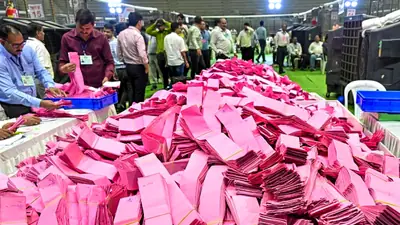
Follow live updates on MLC election results here . Six states — Andhra Pradesh, Bihar, Karnataka, Maharashtra, Telangana, and Uttar Pradesh. One-third are elected by MLAs. One-third are elected by local bodies, such as municipal and panchayat members. One-twelfth are elected by graduates. One-twelfth are elected by teachers. One-sixth are nominated by the governor for work in literature, science, art, the cooperative movement or social service. This round of elections was only for teachers’ and graduates’ constituencies. The legislative council polls are not fought on party symbols, but political parties back candidates. They are held through proportional representation with preferential voting. Voters rank candidates by preference, and a winning quota is calculated. Lower preferences are transferred until seats are filled. The election is held on ballot papers and not electronic voting machines.
It cannot exceed one-third of the total strength of the state’s legislative assembly and cannot be fewer than 40 members. Among the six states, Telangana has the smallest strength (50) and Uttar Pradesh the highest (100).
