After 19 years of talks, the India-EU free trade agreement finally has a timetable.
If the timeline holds, a deal two decades in the making could be signed within weeks, cleared by Parliament in spring, and live within months after that. That is why he sees the FTA as more than a trade pact. McAllister pointed to the broader agenda, including the Security and Defence Partnership and the India-Middle East-Europe connectivity corridor. “I really believe that India and the European Union, these two largest democracies in the world, can bring their strategic partnership to the next level. “I’m so happy to see this now happen at the end of this year.
Because it gives our businesses on both sides planning security and predictability in these indeed testing and challenging times, “I also welcome this free trade agreement between India and the European Union,.
He also said he has “always been very positive throughout my political career” about closer EU-India ties.
“We have signed a security and defense partnership agreement. We have agreed on a joint strategic agenda, and indeed, now we are all waiting for the free trade agreement to be signed,” he said. Asked about the timeline, he expressed hope that the agreement would be signed by December.
McAllister is leading an eight-member European Parliament delegation to India. He spoke hours after meeting External Affairs Minister S Jaishankar, whom he called “highly respected in Europe. He listed the milestones already achieved. “Hopefully, this will happen by December this year, and hopefully, the Prime Minister will be able to sign the agreement personally when he visits Brussels. The European Parliament has a decisive role. Under the EU’s ratification process, it must give its consent. “Nobody can complain that we didn’t take our time. Nineteen years is a long stretch. McAllister placed the deal within a larger values framework. “We are the two largest democracies in the world. India is the largest democracy, and the European Union, with four hundred and fifty million people, is in its entity the second largest democracy in the world. Conflicts in Ukraine and the Middle East, he noted, make cooperation more urgent. “We need to diversify our supply chains. We need to secure our maritime naval shipping routes. The timing carries weight. Asked about a world of tariffs and strategic rivalry, McAllister called these “not only testing times, they are challenging times. He criticised unpredictable trade policy without naming any country. This on and off on tariffs, which we are seeing, disrupts markets. This is detrimental for businesses all over the world.”
Trade talks between India and the EU were first launched in 2007. They have taken nearly two decades, with a political announcement made in January 2026 during a high-profile visit by European Commission President Ursula von der Leyen and European Council President Antonio Costa.
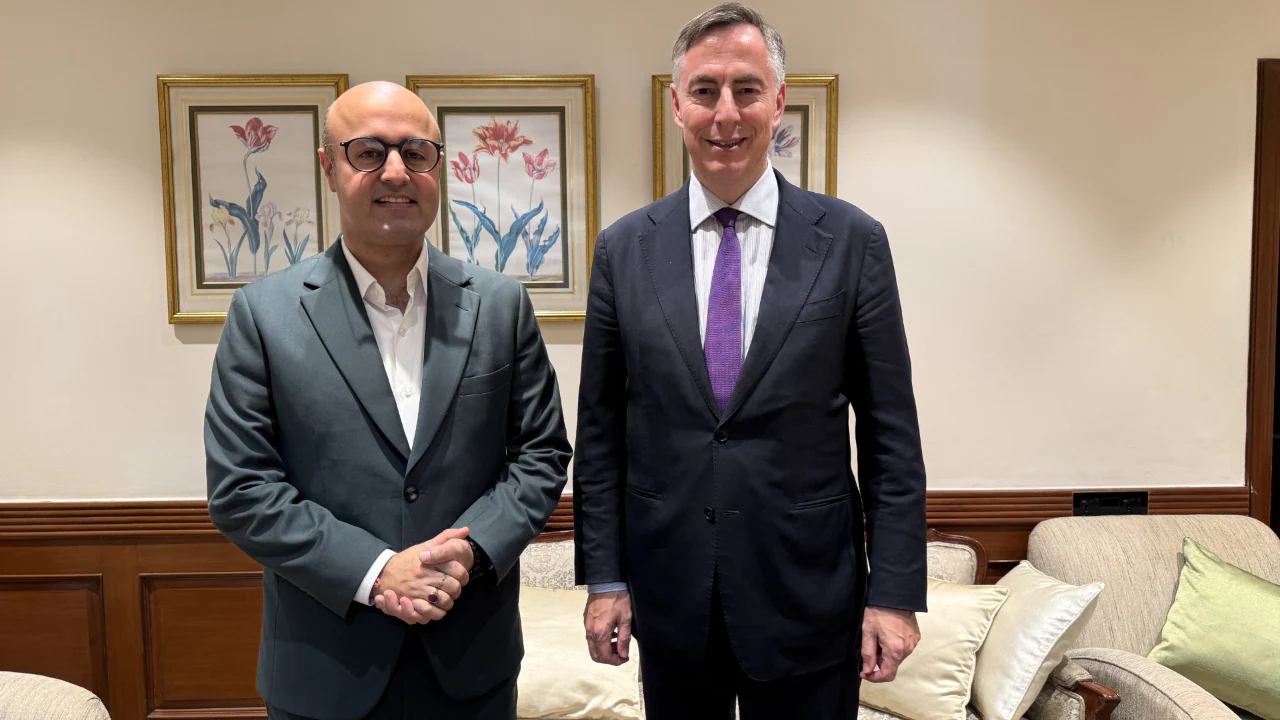
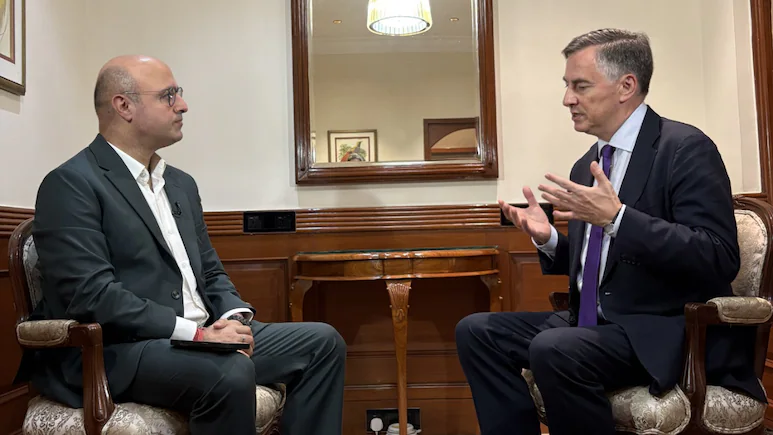
David McAllister, Chair of the Foreign Affairs Committee of the European Parliament, told NDTV’s Foreign Affairs Editor Aditya Raj Kaul in an exclusive interview that signing is expected by the end of this year and that Parliament’s approval could follow quickly. “We are about to bring our strategic partnership as the European Union with India to the next level,” McAllister said. Let’s hope that he can make this possible,” he said. “We will start our work immediately after the signing ceremony, and I’m pretty sure that we will be able to conclude our scrutinizing work in spring so that this mother of all deals can enter into force by summer,” he added. McAllister said both sides took their time. But he said momentum built over the last one or two years. The entire College of the European Commission travelled to India, which he called “an historic meeting,” and the von der Leyen-Costa visit showed “how much we in Europe value India as a strategic partner,” he said. And we share the same values,” he said. He said both sides back “the international rules-based order,” favour multilateral cooperation, and “want peace on Earth. There are so many things we have in common,” he said. He said, “International trade is, by the way, also about respecting agreed rules.