
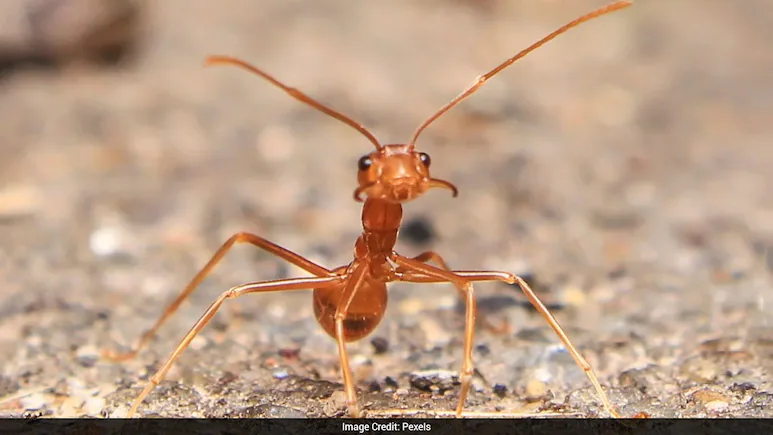
The Devon Wildlife Trust (DWT) reported the theft after conservation researchers found that a known ant nest had been dug up and removed from the site in mid-October, reported the Guardian. A nest containing up to 5,000 rare narrow-headed ants has been stolen from Chudleigh Knighton Heath nature reserve in south Devon, England.
Police Investigate Theft From Nature Reserve
The incident has been reported to Devon and Cornwall Police. The theft has been reported to Devon and Cornwall Police. The nature reserve is the last known place in England where this species of ant still exists. Researchers from DWT discovered the theft during their regular checks in mid-October. They found a hole where the nest had been located, along with clear signs that someone had used a spade to dig up the area. He explained that the organisation carefully tracks the locations of the nests, but they are not easy to find for someone who does not know about ants. Narrow-headed ants are named after the distinctive narrow shape of their heads. They were once commonly found in heathlands across southern England. Deliberately disturbing or removing material from a nature reserve is against the law. She explained that intentionally or carelessly damaging or disturbing these protected areas is a criminal offence. Police have also asked members of the public to share any information about the theft through the Devon and Cornwall Police website.
A single narrow-headed ant nest can contain between 1,000 and 5,000 ants, along with one or more queens that lay eggs. These queens can live for up to 25 years.
Stephen Hussey from DWT said the person who took the nest must have had prior knowledge of ant colonies. PC Lucy Wyatt, who is part of the police force’s rural affairs team, said that sites of special scientific interest are legally protected. DWT said it was reviewing the security of the nature reserve and would continue its regular checks on the ant colonies.
Julia Balfour, the species recovery officer for narrow-headed ants at DWT, described the theft as a significant loss. She explained that these ant colonies take a long time to grow. Their queens can live for many years, and a mature nest represents years of development that cannot be replaced quickly. Losing even one colony affects years of work carried out by the trust’s staff, volunteers and partners.
Balfour also said that the stolen colony was part of the last remaining population of narrow-headed ants in England.
The species is now nationally rare and is listed as near threatened on the International Union for Conservation of Nature’s Red List. He explained that the trust also plans to move some colonies to new locations, but this would require considerable conservation work. He added that moving a single nest without proper planning was unlikely to succeed. Another possibility raised by the trust was that the ants had been taken by an insect collector.
Because of habitat loss caused by changes in farming and building developments, however, their numbers have fallen over the past 100 years. It is also protected under Section 41 of England’s wildlife legislation.
DWT said it was difficult to know why someone had taken the nest. However, Hussey said moving an ant colony requires special knowledge and proper preparation.
One possibility was that the person wanted to move the ants back into areas where they had lived earlier.
