
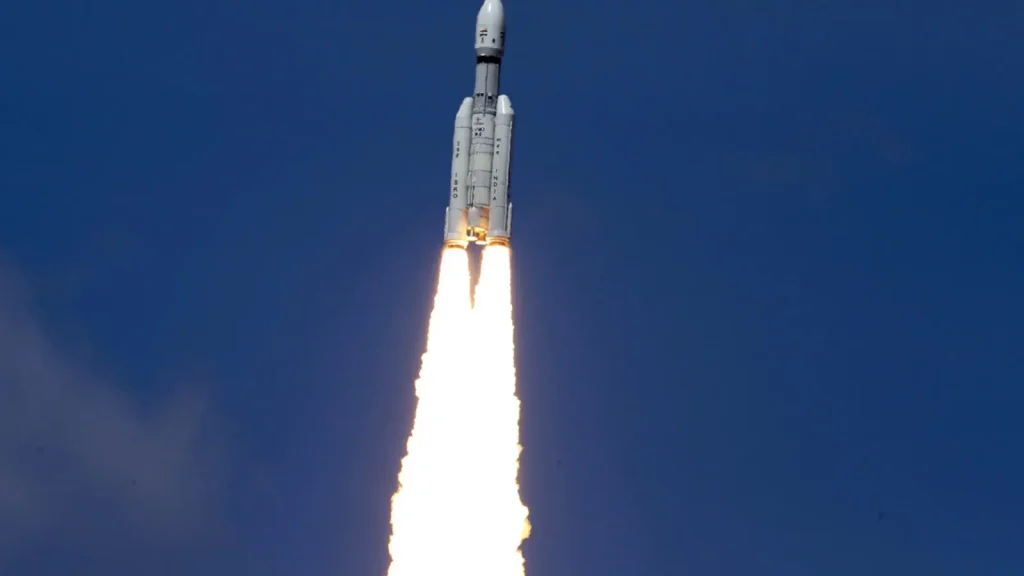
As India marks its third National Space Day, celebrating the success of Chandrayaan-3 and the country’s expanding ambitions in orbit and beyond, a new detailed academic study from two of Europe’s most respected institutions has thrown up an uncomfortable question for the Indian space establishment.
Is India’s much-celebrated reputation as the world’s most frugal space launcher actually true? For decades, ISRO has been cited globally as a model of frugal engineering. From launching missions at a fraction of Western costs to popular comparisons between space missions and everyday expenses, the image of India achieving more for less has become deeply embedded in the public imagination. The study’s headline finding is stark. For India, the study suggests that a relatively low launch cadence may be part of the reason. Countries that launch more frequently learn faster, industrialise more efficiently and distribute fixed infrastructure costs over a larger number of missions. The United States has benefited enormously from this dynamic, particularly through SpaceX. ISRO Chairman Dr V Narayanan, however, has firmly rejected the paper’s conclusions. However, no detailed explanation was offered by ISRO regarding which specific datasets, assumptions or calculations were inaccurate.
Because it directly contradicts one of the most widely repeated claims associated with India’s space programme, the finding is striking. A 2026 University of Cambridge study finds India’s per-kilogram launch costs are four times higher than America’s and, in fact, the costliest in the world. While the global average launch cost in 2025 stood at $3,868 per kilogram, the United States averaged $3,225 per kilogram, Japan $5,287, China $5,809, Russia $6,682 and Europe $9,897. India topped the list at $13,302 per kilogram. The study itself states that its estimates are built using public sources including government reports, academic research and public documentation, which were standardised into comparable 2024 dollar values.
Speaking to NDTV, he said simply that the paper used “wrong data.
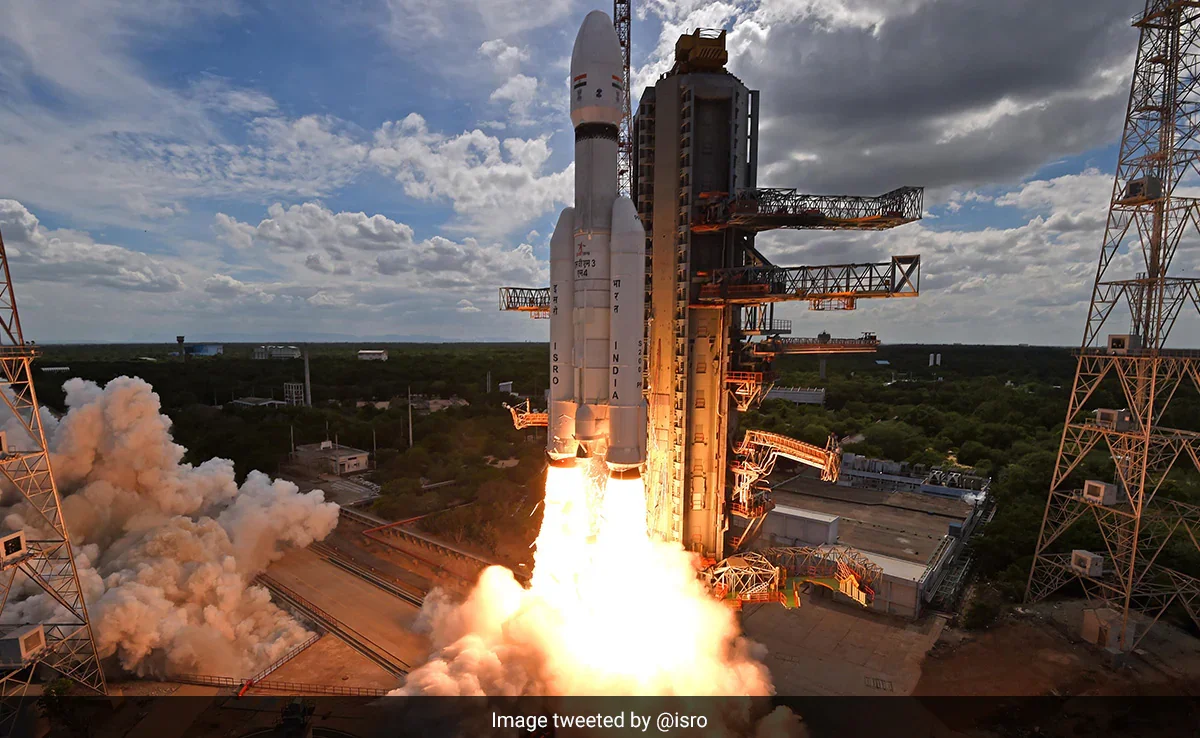
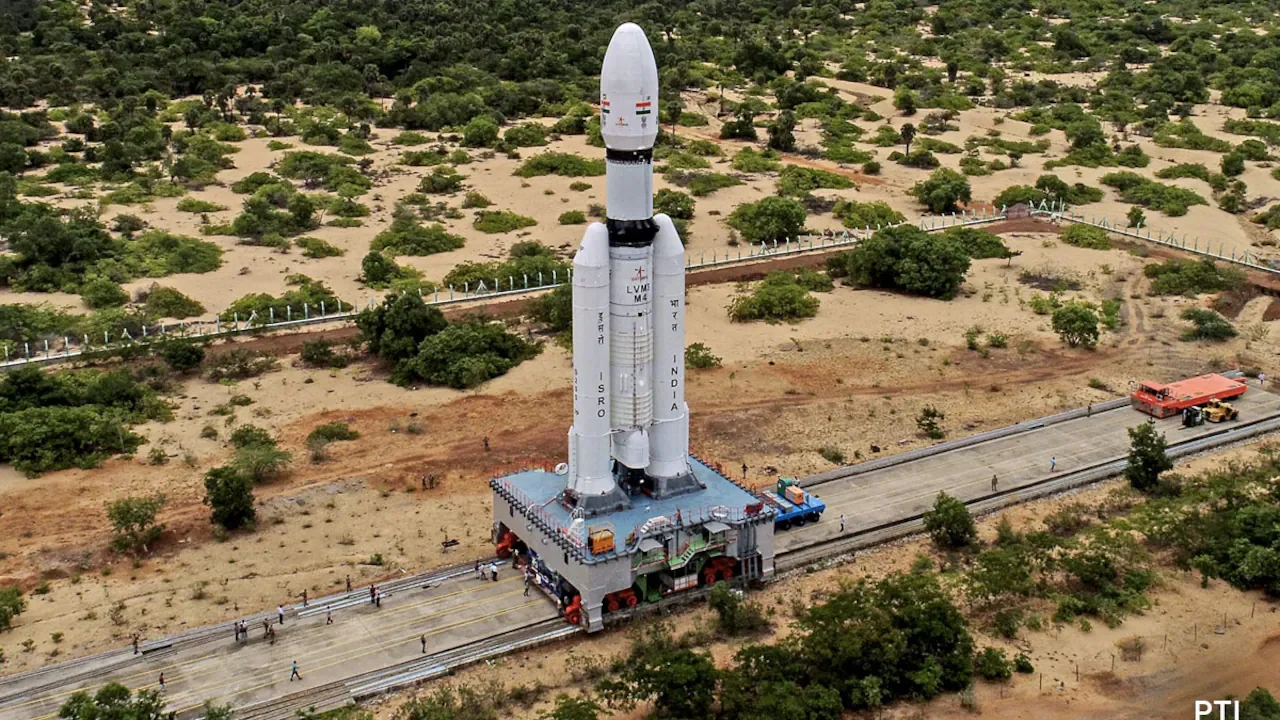
The study does not deny India’s extraordinary achievements. It does, however, challenge a cherished assumption. The researchers argue that launch economics are changing rapidly and that scale, launch cadence and reusability increasingly determine who wins the race to orbit.
On National Space Day, therefore, the Cambridge and Turin analysis should perhaps be viewed not as an attack on ISRO but as a wake-up call.
