
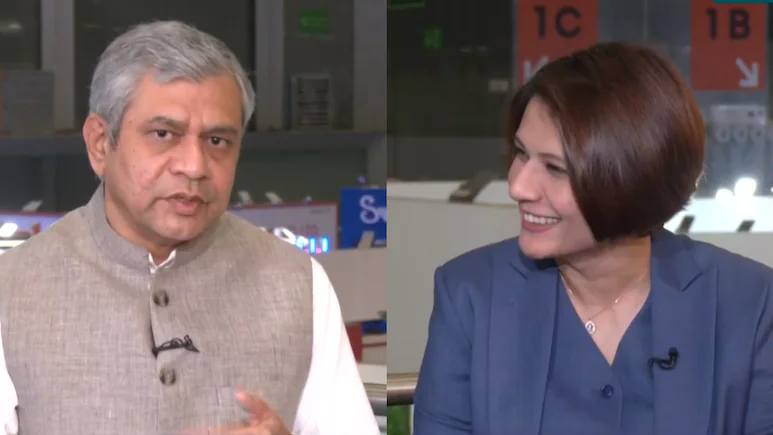
Union Minister Ashwini Vaishnaw has emphasized the importance of discipline and long-term commitment for young Indians aspiring to join the semiconductor industry. Speaking exclusively to NDTV at Semicon India 2026, he highlighted that the nation’s semiconductor goals will generate a wide range of job opportunities that extend beyond just chip manufacturing.
“First, there will be many more opportunities for semiconductor design, semiconductor manufacturing, semiconductor testing and semiconductor validation. It is a full value chain. Semiconductor equipment, materials, and many more opportunities will come. Look at those opportunities, prepare for it. “The country’s design capability rooted in the IT industry and global capability centres, is now extending into the semiconductor sector.
His comments came as the government outlined plans to expand the country’s chip-design capabilities through the Rs 1.27 lakh crore semiconductor scheme, Semicon 2.0. The minister said the government expected approximately 200 chip-design companies to emerge under the programme. We estimate at least 200 chip design companies emerging under Semicon 2.0,” the minister said.
When asked what young Indians should look forward to in the next five years, Vaishnaw said the government is ready to extend help to anyone who wants to build a career in the semiconductor industry. We will help you prepare for that,” he said. Vaishnaw said at the event that India’s existing strengths in information technology and global capability centres were providing a foundation for the country’s semiconductor ambitions. The government, he said, expected that capability to extend into chip design, an area that requires specialised expertise and significant investment in tools and research. Vaishnaw said India’s semiconductor ambitions have moved from aspiration to execution, but the next phase will require a deeper manufacturing ecosystem, more investment and the ability to compete globally.
