
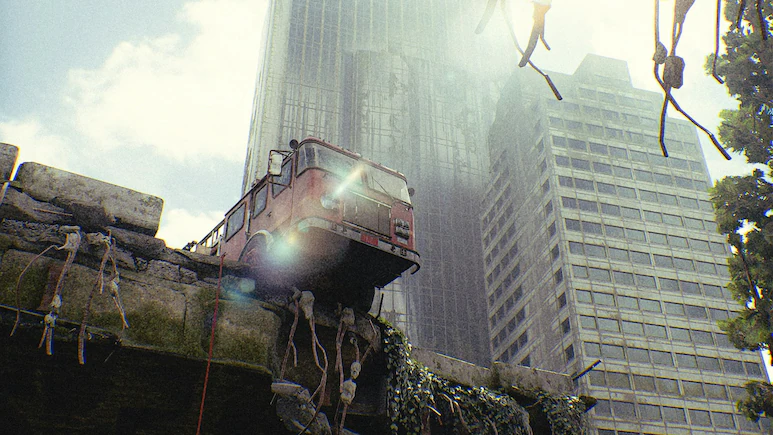
A groundbreaking computer simulation has examined the potential for human civilization to endure significant crises and recover from collapse over a millennium. This research, which spans 1,000 years, aims to understand how humanity can sustain technological activity despite challenges. The study draws inspiration from the Fermi paradox, which questions why we have not yet encountered evidence of other advanced civilizations in the vast Universe.
The simulations produced very different results. What Could Help Civilisation Recover? The research also has implications for the search for extraterrestrial life. If advanced civilisations repeatedly collapse and rebuild, they may spend long periods without producing technology that can be detected from Earth. However, the researchers caution that the model has significant limitations. The simulations use simplified assumptions about technological development, resource depletion and human organisation. The research is also a preprint and has not yet undergone peer review.
The proportion of time that a civilisation remained technologically active, known as its “duty cycle”, ranged from about 38 per cent to 100 per cent. One idea mentioned in the research is the creation of “recovery kits”, containing essential information about areas such as agriculture, medicine, energy and communications.
The study does not predict that humanity will inevitably collapse or that alien civilisations are hiding from us. Instead, it offers a model for understanding how technological societies might survive, recover and potentially remain detectable over very long periods.
