
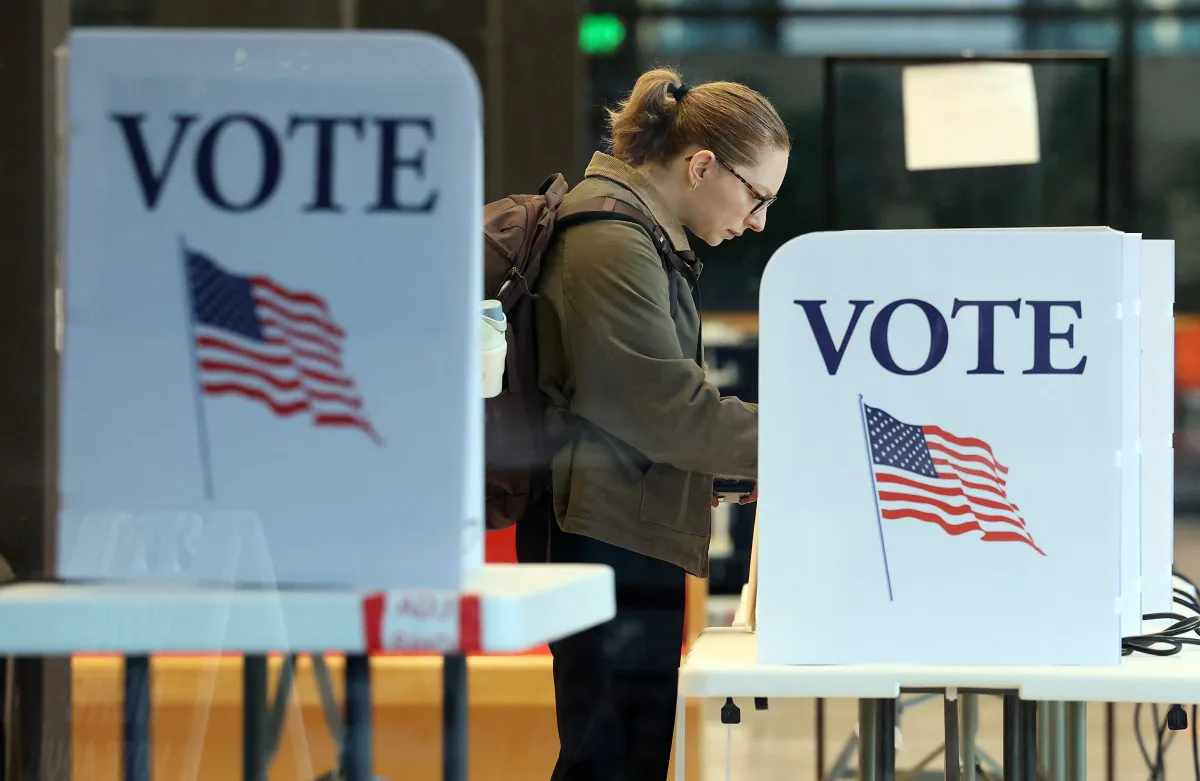
With polling underway, the attention will now move to the counting of ballots which could reshape the balance of power in Washington. More than 230 million eligible voters across the United States are heading to the polls as the country votes in the 2026 midterm elections.
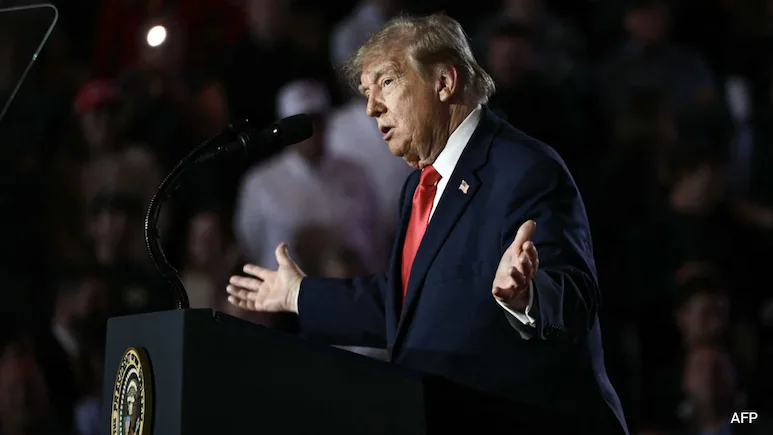
The elections are being closely watched as a test of US President Donald Trump’s leadership midway through his second term. Republicans currently control both chambers of Congress, but their majorities are narrow. If they succeed, Trump could face greater resistance to his legislative agenda, along with tougher Congressional scrutiny of his administration. The current numbers in Congress leave little room for Republicans to lose ground. Two seats are vacant. If Democrats win control of Congress, they could use their position to step up investigations into the Trump administration, scrutinise its decisions and put greater checks on the President’s policies. However, losing control of Congress would not leave the President without powers. Trump would still be able to govern through executive orders, although these can be challenged and overturned by courts or reversed by a future administration.
Democrats are hoping to change that, with their eyes on key Senate races and all 435 seats in the House of Representatives. In the House, Speaker Mike Johnson has 218 Republicans and one independent, Kevin Kiley of California, against 214 Democrats.

READ | How Trump And His Administration May Interfere In US Midterm Elections The 2024 elections offer an example of how long the process can take.
It took eight days after voting to establish which party would control the House of Representatives, according to an Al Jazeera report.
