
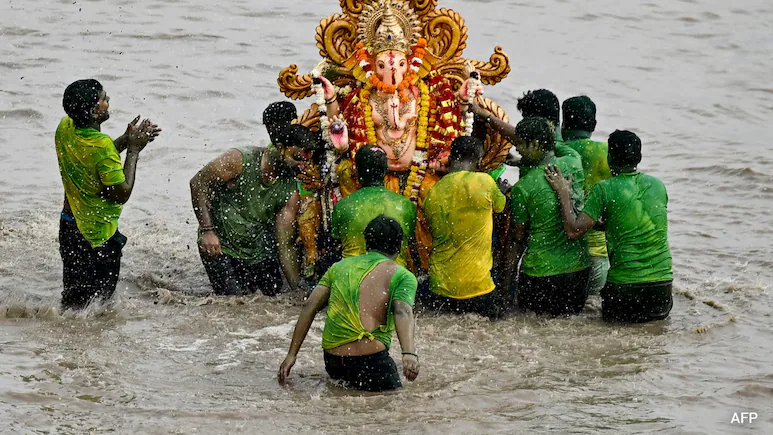
With Ganesh Visarjan days away and idol immersion in the Yamuna barred outside designated sites, Delhi has readied 81 artificial ponds across all 13 Revenue Districts for devotees.
The ponds have been listed in areas including Dwarka, Mayur Vihar, Rohini, Jaitpur, Mundka, Narela and Dilshad Garden. South West, South East and Outer North have seven ponds each, while West and North West have six each. North district has five. New Delhi, Central and Central North have three ponds each, while Old Delhi has two. In East Delhi, the listed sites include Mayur Vihar, Trilokpuri, IP Extension, Ghazipur, Kondli and Karkardooma. South Delhi’s locations include Aya Nagar, Jonapur, Asthal Mandir, Astha Kunj, Begumpur and Vasant Kunj. Other areas covered include Dwarka and Deenpur in South West Delhi; Kirari, Sultanpuri, Rohini, Nihal Vihar and Mangolpuri in North West Delhi; and Mundka, Tikri Kalan, Bawana and Narela in Outer North. Some sites have more than one pond. Gopal Malik Park near Shastri Nagar Metro Station, for instance, has been listed with two. Artificial ponds are being used to provide designated immersion facilities while reducing the pollution load on natural water bodies. Central Pollution Control Board guidelines encourage the use of idols made from natural clay and biodegradable materials and discourage plaster of Paris and synthetic paints. They also recommend artificial ponds, waste collection and post-immersion cleaning. Delhi’s latest directions have similarly asked idol makers and sellers to use natural clay, biodegradable materials and natural colours. This year’s preparedness also covers traffic and crowd management, drinking water, ambulances, fire safety, security, sanitation, lighting, electricity supply and post-immersion cleaning.
The arrangements follow fresh directions issued by the Delhi Pollution Control Committee (DPCC) on September 9, barring idol immersion in the Yamuna and other water bodies except at locations identified by local authorities. The main Ganesh Visarjan on Anant Chaturdashi falls on Friday, September 25, though immersions also take place earlier depending on the duration of Ganpati installations. East Delhi has been allotted the highest number of artificial ponds at 15, followed by North East with nine and South with eight. Officials clarified that the figure of 81 refers to the number of ponds and not necessarily an equal number of separate locations. Violations of immersion restrictions can attract Rs 50,000 in environmental compensation, according to reports citing the DPCC order. In 2019, when idol immersion in the Yamuna was restricted, authorities identified designated locations and created temporary ponds for Ganesh Chaturthi and Durga Puja.
An official action-taken note says excavation and allied work, entrusted to the Irrigation and Flood Control Department, has been completed.
Artificial ponds have been used in Delhi earlier too.
Inter-Departmental Review on September 15
On September 15, an inter-departmental meeting took place to review various operational arrangements. Revenue officials led discussions with representatives from civic bodies, police, traffic authorities, fire services, health agencies, and power utilities. The collaboration aimed to ensure effective coordination among these entities.
