
The Delhi Development Authority (DDA) has started the process for in-situ rehabilitation of 45 JJ clusters covering 21,229 households and more than one lakh people across the capital.
DDA has invited bids to appoint three transaction advisers who will prepare feasibility reports for the proposed redevelopment. The construction has not started yet. The advisers will assess how many families need to be rehabilitated, development potential at each site, infrastructure requirements, financial viability and the implementation model for individual projects. The feasibility studies will form the basis for deciding how the projects are taken forward. Their task will include assessing the housing requirement at each site, civic infrastructure needs and how much additional residential or commercial development may be possible. The move also comes amid a wider push this year to speed up rehabilitation of JJ clusters in Delhi.
The latest batch of 45 clusters is therefore only one part of a much larger redevelopment programme. The clusters, spread over 135.74 acres, have been grouped into 15 projects. 45 Clusters, 15 Projects The three transaction advisers will be selected from firms empanelled with the Department of Economic Affairs or the National Land Monetisation Corporation. The exercise is part of the broader Master Plan for Delhi 2047, under which DDA has envisaged in-situ rehabilitation for around 17 lakh people living in more than 650 JJ clusters across the city.
What In-Situ Rehabilitation Means Under the in-situ model, eligible residents are provided formal housing at or around the site of their existing settlement instead of being permanently relocated to another part of the city. The approach is intended to allow families to remain close to jobs, schools, public transport and existing social networks. Residents may, however, need to be shifted temporarily while construction is carried out. The redevelopment model can also allow additional housing and commercial development depending on the potential of individual sites. The authority will first have to determine how much land is required for rehabilitation, what other development can be accommodated and how the projects can be financed. Delhi Has Used The Model Before In-situ rehabilitation has already been used for some housing projects in Delhi. But other projects have faced long delays. Kathputli Colony, one of Delhi’s best-known in-situ rehabilitation projects, has seen residents spend years in transit accommodation while waiting for permanent homes.
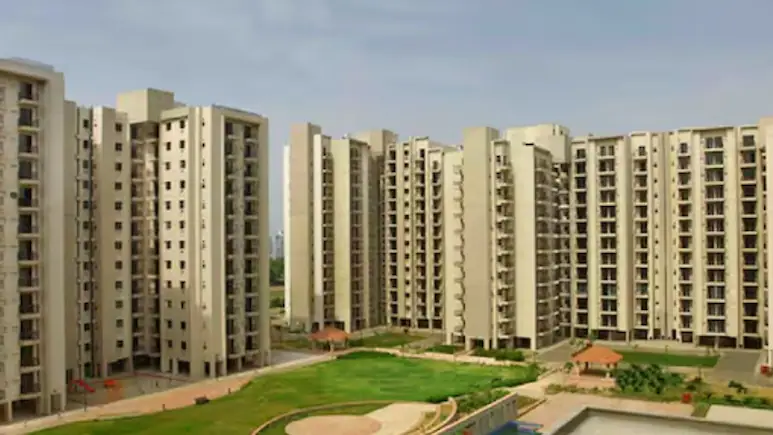
Earlier, authorities had asked DDA and DUSIB to take up multiple clusters for redevelopment and prepare project documents for others under the Delhi Slum and JJ Cluster Rehabilitation and Relocation Policy, 2026. DDA has said the current 45-cluster exercise could benefit more than one lakh people. At Kalkaji Extension, 3,024 EWS flats were completed for eligible residents of Bhoomiheen Camp as part of a phased DDA rehabilitation project. Another 1,675 flats at Swabhiman Apartments in Ashok Vihar were inaugurated in January 2025 for eligible residents of JJ clusters.
