
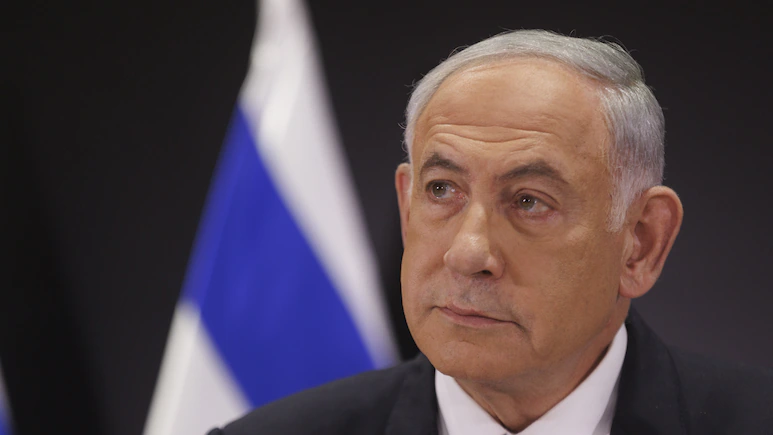
As Israel prepares to vote in the first election after the October 7, 2023, attacks, reports have emerged that Prime Minister Benjamin Netanyahu tried to orchestrate a new airstrike on Iran but met with resistance from the military’s chief of staff.
This led to tensions with the armed forces chief of staff, Lt. Gen. Eyal Zamir, who thought the move would be a miscalculation. If war with Iran resumes weeks after the election, the opposition may face difficulties in forming a new government even if it wins against Netanyahu. It could also put political pressure for the creation of a national unity government that includes Netanyahu. The Israeli prime minister has been portraying the election, seen as a referendum of sorts on Israel’s war on Gaza, as a vote that would decide “Israel’s existence. As of now, opinion polls state that neither Netanyahu’s far-right, ultra-Orthodox coalition nor the centrist opposition could get an outright majority in the elections.
The Israeli prime minister had tried for weeks to pressure the military into taking action against Iran, senior Israeli defence officials briefed on the matter told the New York Times .
After meeting with resistance, Netanyahu started pushing for a separate action against Iran that fell short of an overt strike a few days before the election.
