
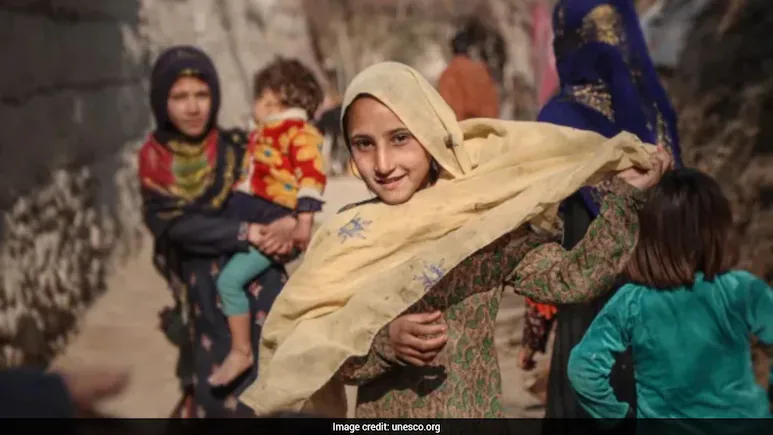
More than 2.6 million girls in Afghanistan have been denied secondary education in the five years since the country’s de facto authorities took power in 2021, the United Nations Children’s Fund (UNICEF) has said.
“Afghanistan remains the only country in the world where secondary and higher education are effectively closed to girls and women,” the report noted.

UNICEF has warned that exclusion from school increases girls’ vulnerability to child marriage, child labour, exploitation, and gender-based violence. The agency has also linked continued educational exclusion to wider risks for Afghanistan’s social and economic future. She further noted: “A classroom offers more than learning. It gives a young person a voice and the ability to reach their full potential. And it offers a shield against child labour, early marriage, and violence and abuse. When schools closed, that protection disappeared – at a time when girls needed it most. The restrictions have affected not only secondary schooling but also higher education.
Girls who are out of school face heightened protection risks, including child labour, abuse, early marriage, and gender-based violence, according to the official report. Those risks rise with household poverty and displacement, and both are widespread in Afghanistan, UNICEF said. Afghanistan is the only country where both secondary and university education are effectively shut to girls and women, leaving millions without a route to complete schooling or pursue degrees, according to UNICEF.
