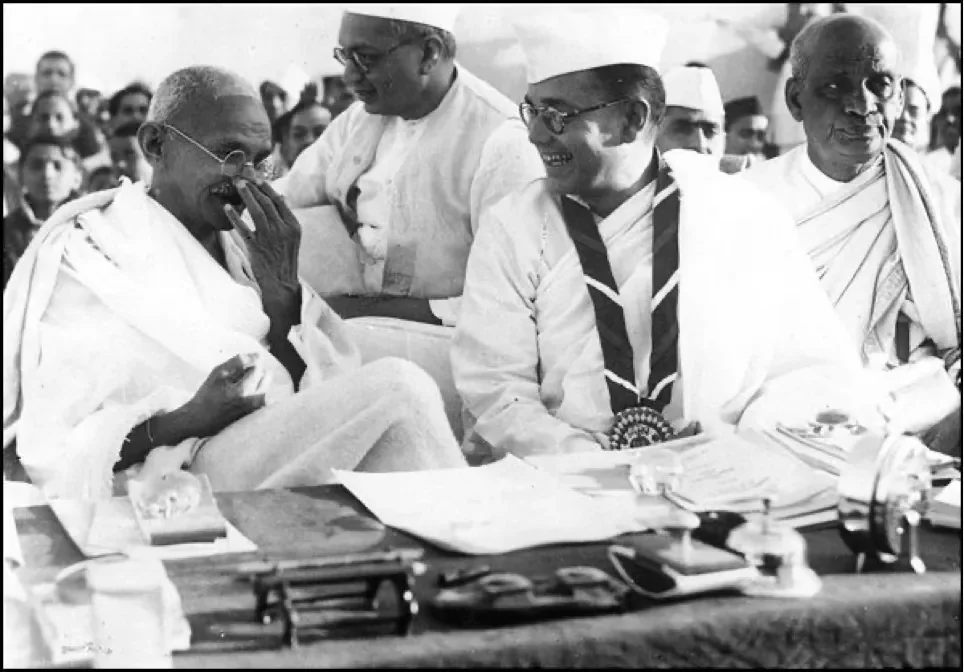
The song that united India under British rule remains a bitter dividing line in India under self-rule. A law for upholding its dignity was notified little over a week ago. But the song in praise of the motherland has been dragged into squalid political waters. It’s not new.
For 90-odd years, Vande Mataram has stood at the crossing of reverence and controversy.
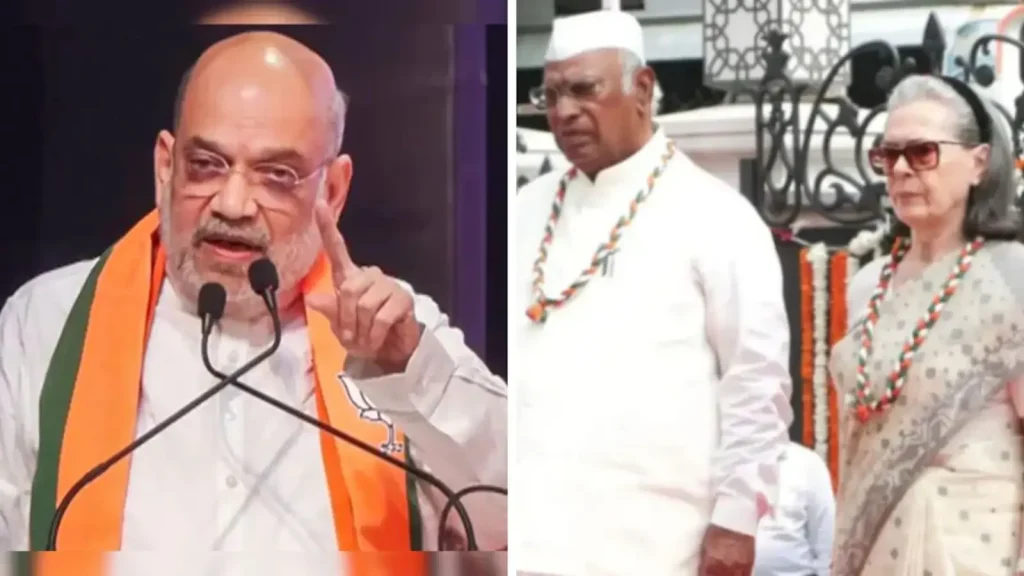
The NDA government led by PM Narendra Modi had accused the Congress of succumbing to vote bank pressures and removing portions of the song. For the first time, the government issued official rendition guidelines and penal protections against disruptions and disrespect of the complete song. The Congress couldn’t prevent the passing of the bill. But it didn’t protest outside parliament against it. The law was the provocation. The Congress reaction, the realisation of a political opportunity. But that day history was created. The gloves didn’t stay on. The CWC decided that in future only two stanzas of Vande Mataram will be sung or played at Congress events. The law of the land was challenged. Legal opinion by Congressmen like Abhishek Manu Singhvi had highlighted the law and underlined the difference between public and private events. This time the BJP hit the political jackpot as a law for protecting the full version’s dignity was in place, Sonia Gandhi was in the frame on the issue, and there was an official CWC diktat for just two stanzas of Vande Mataram.
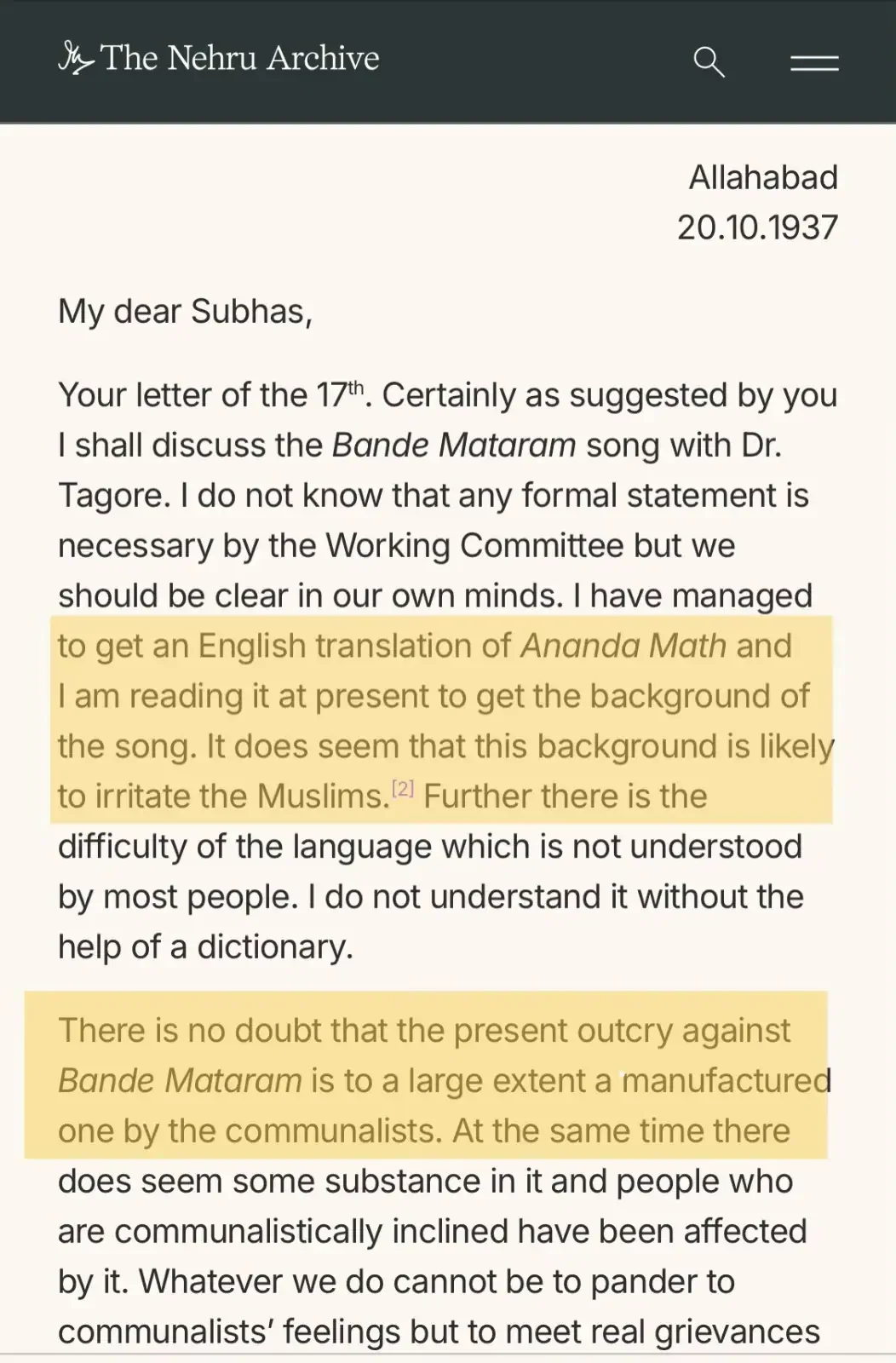
For the first time since 1937, the full version of Vande Mataram played out at a Congress event.
This was followed up in the just-concluded and largely disrupted monsoon session with the passing of “The Prevention of Insults to National Honour (Amendment) Act, 2026”. Come Wednesday, the “chair for Kharge” justification was left with no legs to stand on. The Congress reaction proved that the “dog whistle” had worked. Home Minister Amit Shah on Thursday accused the Congress of reviving its “extreme policy of appeasement”, saying that the decision was a repetition of a historical error that had contributed to the partition of India.