
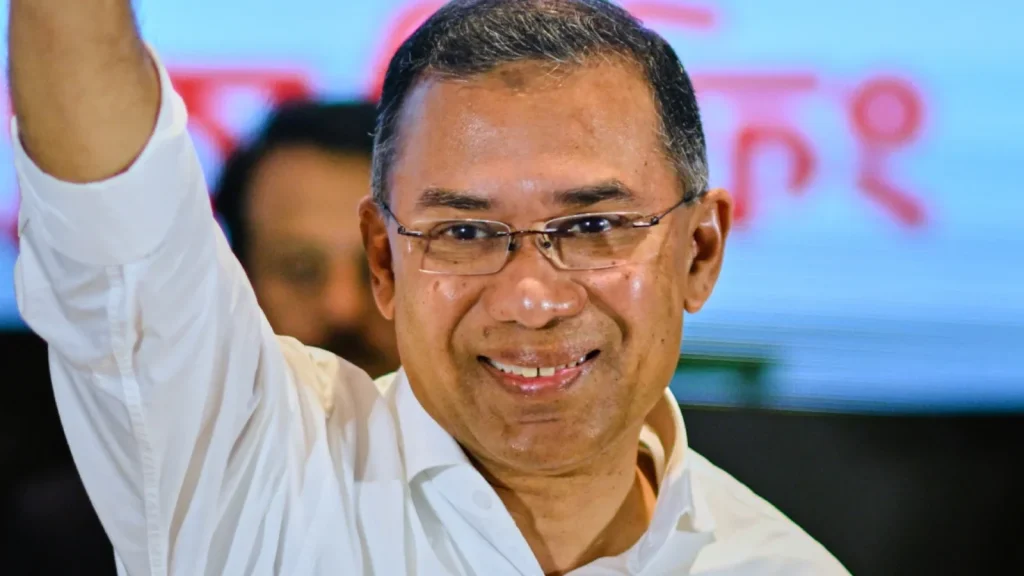
For a few days last week, it looked as though Tarique Rahman’s visit to New Delhi was finally happening.
Bangladesh wants her extradited, and its Foreign Ministry spokesperson, AKM Shahidul Karim, made the demand a condition for Rahman’s visit in a statement on Sunday. The immediate sticking point is Sheikh Hasina.
But the extradition demand also exposes a deeper problem: Bangladesh’s political establishment has yet to agree on how it wants to deal with India, while opposition parties are pushing the government to take an increasingly hard line. Within days, the ministry adopted considerably tougher language, including the conditions attached to Rahman’s proposed visit. The pressure is not coming only from outside the government. There are also differences within the administration over how Dhaka should deal with New Delhi. Foreign Affairs Adviser Humayun Kabir and Foreign Minister Khalilur Rahman are both involved in shaping Bangladesh’s India policy, but their public positions have not always appeared to move in the same direction.
Islam criticised the Foreign Ministry’s initial response to Hasina’s press conference in Delhi on August 5, arguing that the government had been too soft. When India’s High Commissioner Dinesh Trivedi met Kabir on August 3, Kabir reportedly pressed the extradition issue more forcefully than the Foreign Ministry had in its statement following Trivedi’s earlier meeting with the foreign minister.
Nahid Islam, the NCP’s founding convenor and a prominent figure in the student movement that forced Hasina from power, has said there should be no move towards normal diplomatic relations with India until the extradition issue is resolved. He has also spoken of a “democratic South Asia” while rejecting the idea that Bangladesh and India share a common political future. One source in Dhaka said that the government wants a workable relationship with India but is frustrated that New Delhi has not managed to keep Hasina from making political statements from India. The source said: “First keep Hasina quiet, and then we can talk.”
