
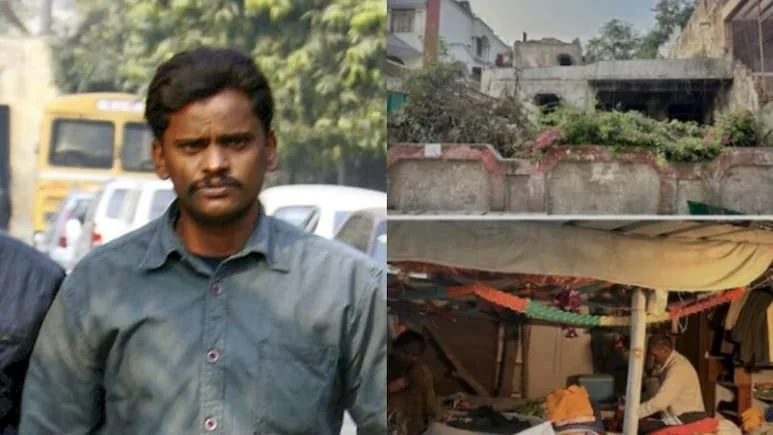
In 2006, a troubling series of child disappearances began in Nithari, a village in Noida. Most of the missing children came from impoverished labourer families. Despite numerous complaints from families, their concerns were reportedly ignored by local police.
Among the missing were two young girls, Jyoti, aged 10, and Rachna, aged 8. Their families suspected Surinder Koli, a domestic worker employed by businessman Moninder Singh Pandher, of being involved in the disappearances. When the families approached the police for assistance, they received little help, leaving them desperate for answers.
When officers went inside the house, they stumbled upon evidence that would reveal what was initially believed to be a serial killing and cannibalism ring. Subsequently, Koli and Pandher were arrested. The matter had also reached the then President Pranab Mukherjee – who had rejected Koli’s mercy petition. The order was passed on a review petition by Koli’s lawyer. The next month, the Supreme Court upheld the death sentence.
The investigation led the police to find 16 human skulls, bones, and clothing stuffed in plastic sacks behind a drain next to Pandher’s bungalow. Following this, Koli appealed to the Supreme Court, which upheld the death penalty in 2011. Koli was to be hanged on September 12, 2014, but the then Chief Justice HL Dattu passed an order at 1.30 am on September 8, putting up the execution by at least a week.
The police have informed his family in Almora and have initiated an investigation, officials said.
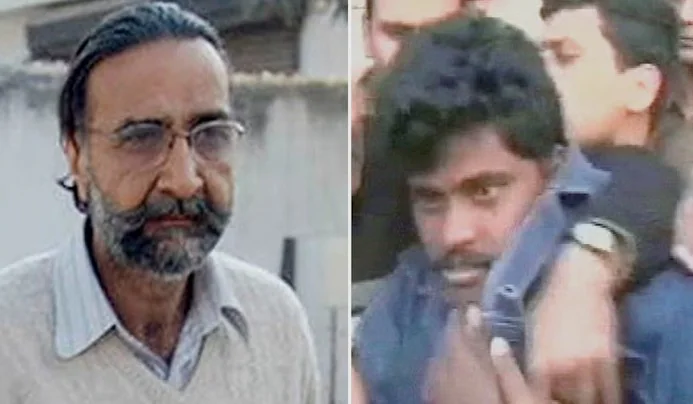
Four years later, in 2019, Koli was awarded another death penalty in his 10th conviction. Koli was convicted in 13 cases, according to the counsel of the victims’ family.
In 2015, however, the Allahabad High Court commuted the death penalty to life imprisonment, citing the “inordinate” delay in deciding his mercy plea.
Allahabad High Court Acquits Koli and Pandher Due to Evidence Issues
In October 2023, the Allahabad High Court acquitted Koli and Pandher, citing a “lack of credible evidence”. The court highlighted several investigative shortcomings that contributed to its decision. Notably, the crime scene was not secured prior to excavation, and Koli’s alleged confession was improperly recorded. Furthermore, the remand papers contained contradictory details, and crucial forensic evidence was found to be either missing, contaminated, or inconclusive. Additionally, the alleged recoveries of bones and skulls were discovered in an open drain, undermining their evidentiary value due to easy accessibility.
