
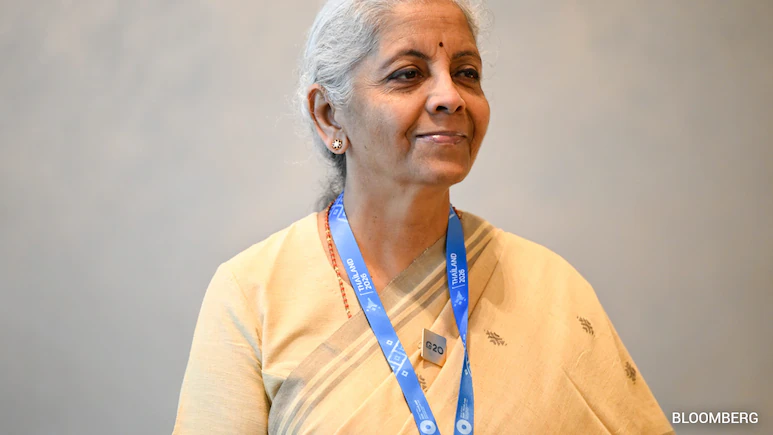
India faces growing trade imbalances with China as Beijing’s non-tariff barriers continue to restrict access for Indian products, Finance Minister Nirmala Sitharaman said on Friday.
India’s Prime Minister Narendra Modi and Chinese President Xi Jinping have also renewed efforts to stabilize ties. Sitharaman also expressed hope that India and the US would conclude a trade deal soon, saying it would benefit bilateral and global trade. India remains the world’s fastest-growing major economy, supported by strong consumption and investment. Sitharaman, however, flagged the country’s dependence on imported crude oil and fertilizers as a key vulnerability. The rupee has come under sustained pressure this year as surging oil prices swell India’s import bill, while foreign capital outflows and high US yields add to demand for dollars. The Reserve Bank of India has stepped up its defense of the currency, selling dollars and introducing measures including a special facility to meet state-owned oil companies’ foreign-exchange needs and tighter rules on currency derivatives. Those steps have helped the rupee recover from near-record lows, though the underlying pressures remain.
India-China ties plunged into a deep freeze in 2020 after a deadly border clash, triggering years of diplomatic distrust and restrictions on Chinese investments and business ties.
its terms would need to be refashioned, she said While New Delhi intends to maintain its trade agreement with the ASEAN bloc. The bill for those essential imports is “big and growing,” she said, adding to the flow of foreign exchange out of the country.
Relations have gradually improved since then, with New Delhi and Beijing taking steps to ease border tensions and restore high-level engagement.
