
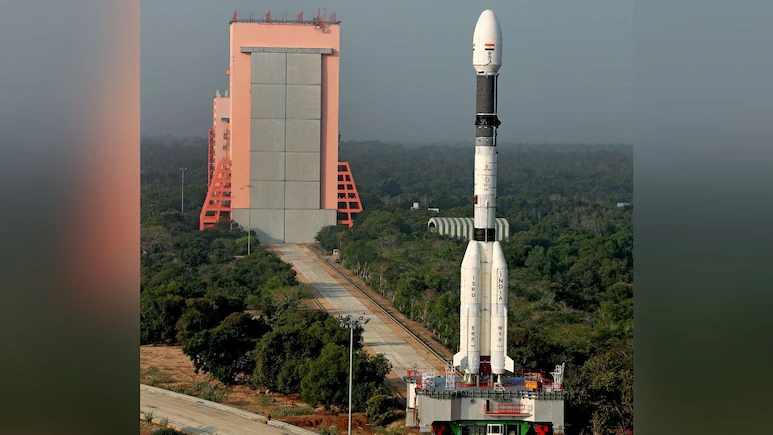
After nearly eight months away from the launch pad and following two back-to-back failures of its Polar Satellite Launch Vehicle (PSLV) rocket, the Indian Space Research Organisation (ISRO) is preparing for a crucial comeback mission, its Chairman Dr V Narayanan told NDTV.
He has also laid out an ambitious roadmap for the current financial year. These missions will support communication, navigation, Earth observation and scientific research while laying the groundwork for future human spaceflight and exploration programmes. The cryogenic engine did not perform as intended, resulting in the loss of the spacecraft. The failure denied India a capability that scientists had long sought and forced ISRO back to the drawing board. The satellite is expected to image the Indian landmass repeatedly through the day, allowing rapid monitoring of cyclones, floods, cloudbursts, forest fires and other fast developing events. Scientists believe it could deliver near-real-time information useful for disaster management agencies, weather forecasters, agricultural planners and security agencies.
ISRO intends to realise 12 satellites and is targeting eight launch vehicle missions. An earlier attempt to place a similar satellite into orbit ended in disappointment on August 12, 2021. Then, the GSLV F10 rocket carrying EOS 03, the original GISAT satellite, failed after a problem involving the indigenous cryogenic upper stage. EOS 5 is effectively the successor to that lost mission.
