
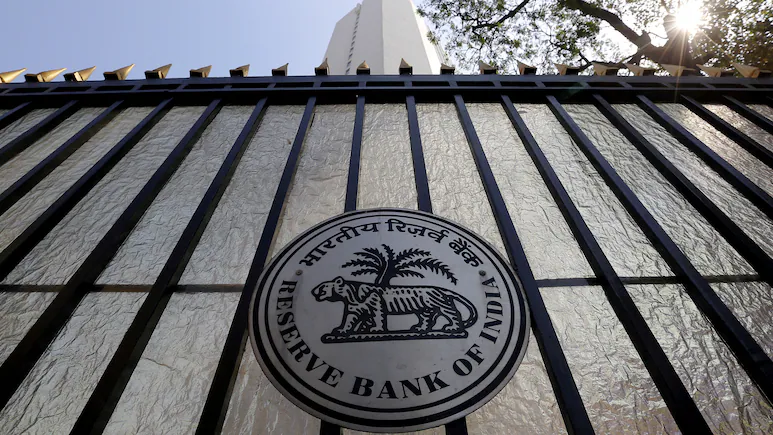
The Reserve Bank of India (RBI) has successfully implemented a special dollar-rupee swap facility, resulting in significant foreign currency inflows. As of August 31, this initiative has attracted $136 billion, according to provisional data from the central bank. This strategy reflects India’s ongoing efforts to enhance its foreign exchange reserves and stabilize its currency in a fluctuating global market.
NRI Deposits Drive Foreign Currency Influx
On June 8, a new scheme was introduced to boost the inflow of foreign currency from non-resident Indians (NRIs) and Indian companies. This initiative has successfully attracted a total of $136 billion through three primary channels: FCNR(B) deposits held by NRIs, overseas foreign-currency borrowings by Indian entities, and external commercial borrowings.
NRI deposits have played a pivotal role, contributing $127 billion, which accounts for approximately 93% of the total inflow. The remaining funds came from overseas foreign-currency borrowings, totaling $5 billion, and external commercial borrowings, amounting to $3.8 billion. These figures are provisional and may be adjusted following final reporting and reconciliation.
the two borrowing-related channels stay open for another four months While the NRI deposit component has now closed. For now, the scheme stands as one of the most successful dollar-mobilisation efforts in India’s recent history, giving the RBI a bigger cushion at a time when global currency markets remain unpredictable. That means today’s $136.4 billion figure is a snapshot, not the final number – and analysts will be watching to see how much more flows in before the scheme wraps up at the end of the year.
Record Inflows Prompt Early Closure of FCNR(B) Deposit Window
The Reserve Bank of India (RBI) closed the FCNR(B) deposit window ahead of schedule on August 31, following an unexpected surge in inflows that totaled $73 billion as of August 21. Notably, over $63 billion of that amount was deposited in the last 10 days before the closure. This rapid response led the RBI to end the facility earlier than the planned September 30 date, as it had already fulfilled its objectives.
In contrast to a similar RBI swap scheme in 2013, which garnered about $26 billion over three months, the latest initiative has brought in more than five times that figure in a much shorter period. The government has characterized these inflows as a reinforcement of India’s foreign currency reserves, which are crucial for managing global market volatility and ensuring economic stability against external shocks, such as fluctuating oil prices and capital outflows.
Officials from the finance ministry have highlighted the strong participation from Non-Resident Indians (NRIs) in the FCNR(B) deposits, attributing it to growing trust in India’s banking system and a positive economic outlook. The remaining two channels for overseas borrowings and external commercial borrowings will remain open until December 31, suggesting that the total inflow may increase even further.
