
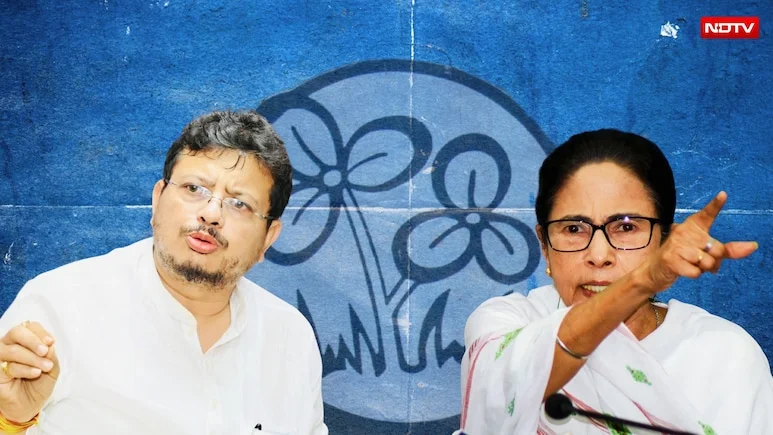
No opposition arithmetic in West Bengal is complete without the Muslim vote. For three decades, that vote decided who sat in the Writers’ Building and who waited outside it. The community was 27 per cent of the population in the last census and is now widely taken to be close to 30 per cent.
Rebel Trinamool Faction: Zero Credibility And Organisation
In Rejinagar and Nowda, AJUP pushed the Trinamool into third place and won both seats. She has lost confidants, lost the legislature party, and watched Abhishek Banerjee turn from heir into an argument inside the house. When the Congress ruled, Muslims could still look at the Left. When the Left ruled, they could look at Mamata Banerjee. When the Trinamool Congress ruled, they could look at the Congress and the Left. The door was never fully shut. The Bharatiya Janata Party in power changes that door. Muslims in Bengal, as elsewhere, do not vote for the BJP in any number that can change a seat. That is the one fixed point on an otherwise broken map. Every party in the field knows this, including the BJP. Nandigram is not a Muslim seat in the same way, but it has a significant Muslim population. Most importantly, it’s the bastion of the Adhikari family. The question is no longer whether Muslims will vote for the BJP. They will not. The question is whether they will vote as one bloc for anyone else. That is the arithmetic the BJP wanted. A Hindu vote that has found a single address, and a Muslim vote cut into slivers among Mamata Banerjee’s diminished Trinamool, Ritabrata Banerjee’s rebel legislature group, the Congress, the Left, Humayun Kabir’s Aam Janata Unnayan Party, and smaller outfits. As long as that split holds, no opposition party can put a majority together in Bengal. The bypolls will not change the government. They will show whether the split is hardening. Fear of the Citizenship Amendment Act and the National Register of Citizens locked that alignment. The sharpest shift was in Murshidabad, Malda and Uttar Dinajpur. Beldanga is the cleanest picture. The BJP did not need the Muslim vote. It only needed the others to split it. The same story ran through the district. The Congress took Farakka and Raninagar. The CPI(M) returned through Domkal. Mamata Banerjee remains the most recognised opposition face in Bengal. That is not the same as being the most trusted one. The body that once walked from village to village and turned a street fight into a government is slower now. A party built around one face discovered, in a single afternoon, that the face could lose and the machine could not hold. What followed was a break into three camps. One is the rump around Mamata and her nephew, Abhishek Banerjee, still claiming the old authority from Kalighat. The third is the block of Lok Sabha MPs who left for the Nationalist Citizens Party of India. Committees were dissolved. Councillors peeled away. The Election Commission later froze the party name and the two flowers on grass. Photo Credit: IANS The Muslim vote did not leave her on counting day. It had been leaving through the school job scandal, the municipal contracts, and the sense that protection had become a rent. The trust was not. Four months is not enough time to recover from that. What remains is a name that still draws a crowd and a thinning network that cannot cover a district. They need to be shown that she can still command a booth. Until she shows that decisiveness, they will keep her face in mind and take their vote elsewhere. Many of those MLAs sit in Muslim-populated seats. The public has watched how little fight they have picked with the government. A cordial opposition is not an opposition that a wary community will trust. The rebel MLAs may still be strong in their own localities. A one to five per cent shift in a few Muslim pockets is enough to dent any hope of a united opposition roster. The faction has no statewide organisation distinct from the old Trinamool, and whatever organisation still exists on the ground remains, by habit, with Mamata. The MPs who joined the Nationalist Citizens Party of India are further from the booth. Yusuf Pathan from Baharampur, Abu Taher Khan from Murshidabad and Khalilur Rahaman from Jangipur are the three names that matter in the Muslim belt. They have not merged into the BJP. A parliamentary group in Delhi does not harvest votes in Rejinagar. In these by-elections the Congress has the least damaged claim on the Muslim vote. After Sanchita Pradhan Dey of the Mamata faction withdrew in Nandigram, Mamata asked her camp to back Congress candidate Milan Pradhan. The Ritabrata faction’s nominee, Mohammad Ehetash Mul Haque, is a Kolkata import with scattered work on the ground. The timing has created a sentiment that the Congress is the only party still standing against the BJP there. Consolidation of the Muslim vote behind him is possible. Winning the seat on those votes alone is not. Rejinagar is different. The people of Bengal have not lived under a Congress government in this century. They have lived under the Left and under the Trinamool, and they remember both. The community is being asked to choose among a diminished Mamata Banerjee, a Trinamool faction it suspects, a BJP it fears, and a Left it left behind years ago. This is where the Congress still has a living geography. If it can look like a serious state outfit rather than a district memory, it has the best chance among the opposition of gathering Muslim votes that no longer know where to go.
Because they feared the BJP more than they disliked her government, in 2021, Muslims gave her 75 per cent of their vote. Nandigram and Rejinagar go to the polls on October 6, the first by-elections after Suvendu Adhikari became the first BJP chief minister of the state. Rejinagar, in Murshidabad, has a Muslim majority well above 65 per cent. In 2021, Muslim voters were the strongest pillar of the Trinamool Congress. CSDS-Lokniti put the community’s support for the party at 75 per cent, up from 70 per cent in 2019 and 51 per cent in 2016. Where Muslims were more than 30 per cent of the population, the Trinamool swept Murshidabad, Malda, Uttar Dinajpur, South 24 Parganas and Birbhum. A 215-seat majority was built on one community voting as one. In 2026, that monopoly broke. The Trinamool fell from 215 seats to 80. The BJP rose to 207 and formed the government. Muslims are estimated at around 63 per cent of the seat. In 2021, the Trinamool took more than 55 per cent. In 2026, its share fell to 26.1 per cent. AJUP polled 20.4 per cent. The Congress took 17.5 per cent. The BJP won with 31.9 per cent. In Jalangi, the Trinamool’s lead fell from more than 79,000 votes in 2021 to about 21,500 in 2026. Fragmentation, not a sudden love for the BJP among Muslims, was the arithmetic behind the fall from 215 to 80. She is 71. The woman who entered Nandigram in 2007 with a crowd behind her is no longer on the road in that way. After May 4, she lost Bhabanipur, the seat she had treated as home, to Suvendu Adhikari. The second is the legislature majority that walked to Ritabrata Banerjee, more than 50 of the 80 Trinamool MLAs, now recognised as the official opposition. For the first time since 1998, she does not own, without dispute, the symbol she invented. By 2026, the fear was still there. The rebel bloc led by Ritabrata Banerjee holds more than 50 of the 80 Trinamool MLAs and has been recognised as the official opposition, with him as Leader of the Opposition. Police then arrested Milan Pradhan in 19-year-old cases from the 2007 land movement and sent him to custody till October 3. Humayun Kabir’s son, Golam Nabi Azad, is the AJUP candidate in a seat the father won four months ago with more than 51 per cent.
Muslims in Bengal do not need to be told who she is.
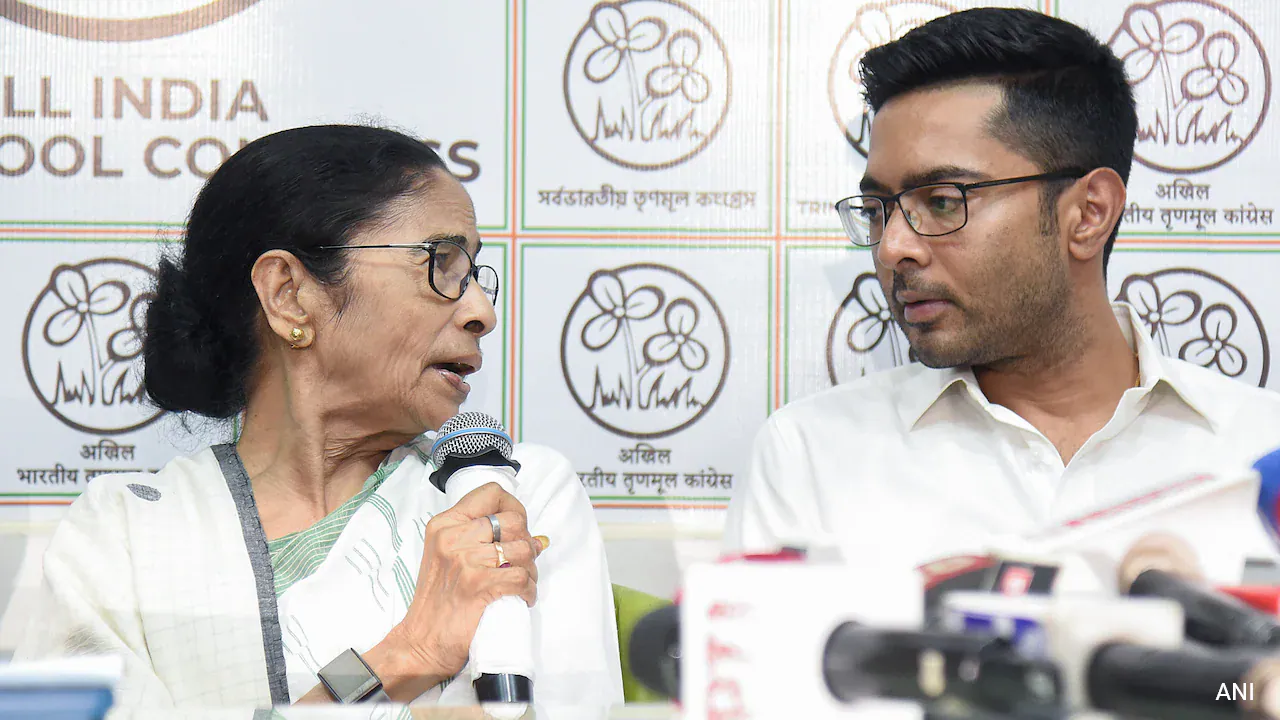
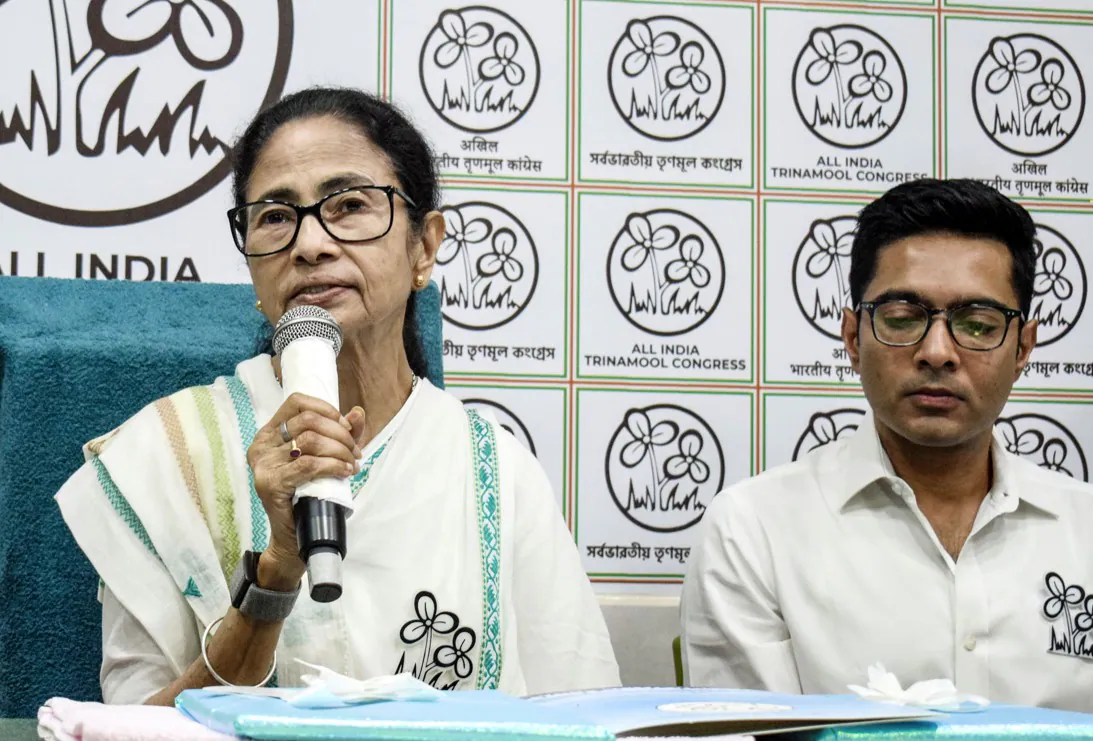
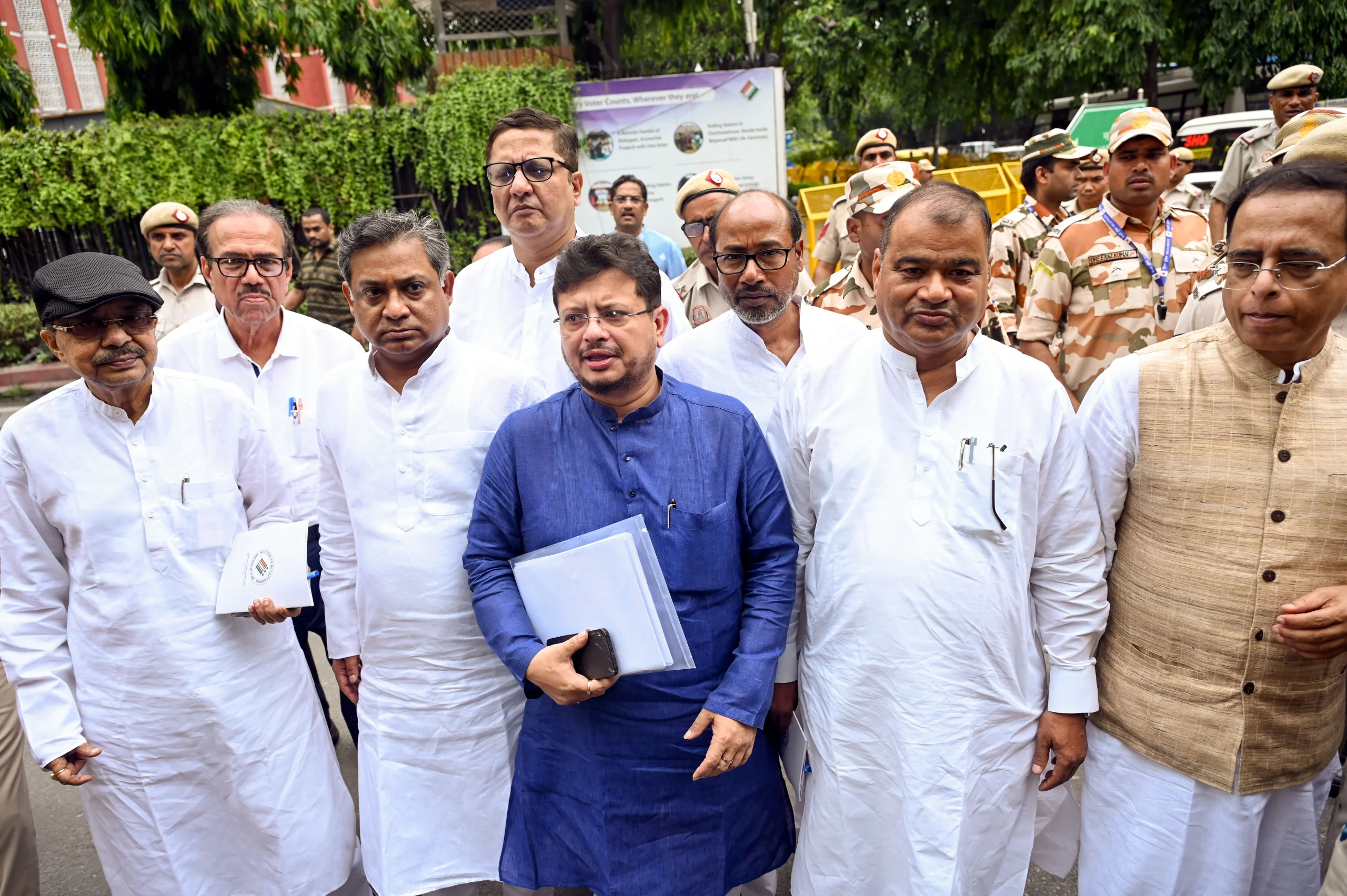
Analysis: Can A Splintered Opposition Still Get Muslim Vote Against BJP In Bengal?
The BJP does not need them to fail everywhere. That is the logic of these two by-elections. A community that once voted as a bloc is being asked to vote as fragments. If it does, the opposition will keep the Muslim vote in theory and lose Bengal in practice. (Sayantan Ghosh is an author and columnist, and teaches journalism at St Xavier’s College, Kolkata)
It only needs them to succeed a little, in enough places, so that no one else succeeds a lot.
Both Trinamool factions are also in the field. Confusion helps the older brand. Murshidabad was Congress country for decades. ABA Ghani Khan Choudhury built that world with patronage and a personal hold that outlasted ministries. Adhir Ranjan Chowdhury’s Baharampur remains the living proof of that residue. Its collapse is one of the steepest in Indian politics. Rebuilding that world in a few months is not possible. Many of the Left’s old liberal voters have already moved, some of them all the way to the BJP. The organisation is no longer rooted across the state. The Left can still pick up a seat where the Muslim vote is breaking, as it did in Domkal. In these bypolls that is hard. The CPI is in Nandigram with Shantigopal Giri. The CPI(M) is in Rejinagar with Syed Asad Ali. Neither will change the larger arithmetic. His credibility beyond Rejinagar and Nowda is limited. He can split a Murshidabad seat. He cannot travel that split across Bengal. Naushad Siddiqui’s Indian Secular Front remains a Bhangar story. These men will stay popular in their own lanes. Taking a statewide share of the Muslim vote is a different job, and they do not have the machine for it.
Because he just won it, and because his son is on the ballot, humayun Kabir is a factor in Rejinagar. When Mamata Banerjee formed the Trinamool in 1998, she began to peel that vote away. From 2016, the Congress lost the community in bulk, but not the last offices in Malda and Murshidabad. Until 2011, the Left Front took a large share of Muslim support through 34 years in office.
