
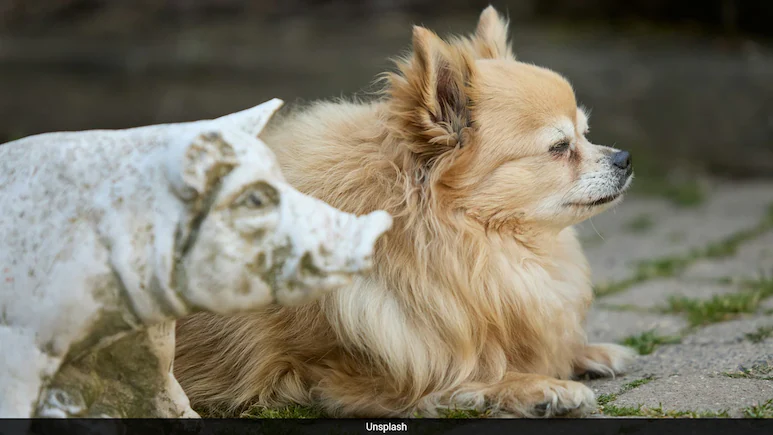
In ancient China, parents sometimes gave their babies unusual nicknames such as ‘Dog’ and ‘Pig’ in the belief that these humble names would protect them from bad luck and help them live longer, healthier lives.
The tradition came from the belief that simple, unflattering names could help keep evil spirits away from children, according to the South China Morning Post.
they were not necessarily intended to offend Although names such as ‘Dog’ and ‘Pig’ might sound insulting today. The practice dates back to a time when medical care was limited, and life expectancy was low. Parents had few ways to protect their children from illness and other dangers, so some turned to traditional beliefs and customs for reassurance. The South China Morning Post reports that these unusual nicknames reflected the hope that children would grow up safely and enjoy long, healthy lives. Instead, they reflected a parent’s wish to protect a child in a world where illness and early death were serious concerns.
The tradition also highlights how cultural beliefs can shape the way parents name their children.
family connections or personal preferences, earlier generations sometimes selected names based on what they believed would bring protection and good fortune While modern parents may choose names for their meanings.
