

BRICS is potentially the most powerful energy block in the world. No other group comes even closer to it. G20 focuses a lot on energy security, but it is structurally very different. BRICS has more bones and flesh, including a bank, than other such groupings.
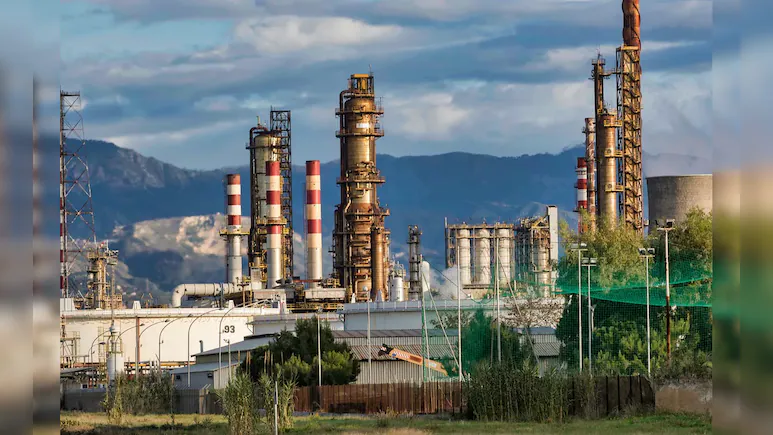
Ask any ordinary Indian on the road today, Russia is all about oil exports to India and China, thanks to US President Donald Trump’s high-decibel attempted sanctions against India for buying oil from Moscow. The Dragon and the Elephant, the second- and third-largest consumers and importers of oil in the world respectively, today drive the demand for hydrocarbons in the world. Outside the United States, which is the biggest producer and consumer of oil in the world, BRICS is the only group which is home to the largest producers like Saudi Arabia and Russia as well as the largest importers like China and India of oil and gas in the world. Brazil is another major oil producer. For energy-surplus giants Saudi Arabia, Russia, Iran, the UAE and Brazil, energy security is all about securing the demand since oil and gas exports are the backbone of their economies. For energy-deficit China and India, energy security is all about securing the supply. China and India are the hungriest economies for oil and gas. But the West, and the United States in particular, need to understand that the world has changed. The Atlantic is no longer the gravity centre of the world energy. It is now the group of nations called BRICS, and they are entitled to write their own trade protocols and rules for buying oil and gas from each other and pay in whatever currency they find fit and convenient. The BRICS leaders must hurry up and create a dedicated platform for taking care of each other’s energy security concerns for their own as well as the world’s economic security and wellbeing. (Narendra Taneja is a reputed global energy expert based in New Delhi) Disclaimer: These are the personal opinions of the author
The area where BRICS stands out like a shining rod is energy security, and so much so that BRICS has the potential to be the most reliable guarantor of energy security – not only for India or its members but for the whole world. BRICS member Saudi Arabia is an oil superpower, thanks to its massive 267 billion barrels reserves of crude. Iran not only holds 10% of the global oil reserves but is also home to the second-largest – dubbed a green fuel by many – natural gas reserves. The UAE, with its 113 billion reserves, is fast expanding its oil and gas export infrastructure, with India as one of its key destinations. India, which imports 5.2 million barrels of oil daily, is projected to be importing 8 million barrels daily by 2045, if not earlier, despite massive growth in its renewables sector. China already imports in the range of 9 million barrels daily.
It is time that the BRICS leaders initiate to formalise it by creating a dedicated intergovernmental platform for the purpose. That would facilitate easy flow and the trade of oil and gas in respective national currencies and help bring the much-needed democratisation and reforms in the global trade, financial and banking orders. For India, BRICS is not about challenging the United States or the West. Also, India wants to strengthen the global position and status of its national currency without being a part of any de-dollarisation campaign. India’s mantra in all international approaches is only one: multipolarity. In fact, it is high time that India explores how we can formalise energy security interdependence between energy-surplus QUAD members the United States and Australia and the energy-deficit India and Japan. India has to build its own global sphere of influence. And energy security is the key to it. Hence, we need all international groups – BRICS, QUAD, G20 and so on. There is, however, no denying that BRICS has the most to offer as far as India’s energy security concerns are concerned. It is an old truth that whoever controls the global oil order controls the world. Nobody symbolises this more profoundly than President Trump. He did not go to Venezuela to help the civil governance there. The entire world now knows he went there for oil. There is now a growing consensus in the Global South that the ongoing Gulf War was is about securing access to Iran’s massive oil and gas wealth. The threat on Greenland also seems to be more about controlling the frozen island’s oil and gas reserves than anything else. However, none of this is new. Britain used to behave the same way during its empire days. The history of the entire Persian Gulf region is witness to that. The American dollar replaced the British Pound as the currency for the international trade in oil after the Second World War. Unsurprisingly, the US does not want its currency to lose to any other currency or bouquet of currencies.
Interdependence between the BRICS members surplus in energy and energy-deficit China and India is therefore very obvious, which is, however, still loose, informal and unstructured. Therefore, QUAD is as important for India as is BRICS. On the contrary, the United States and Western Europe are almost central to New Delhi’s international partnerships compass for the mission of developed India by 2047. The Latin American country holds 303 billion barrels of oil reserves, the largest in the world.
