
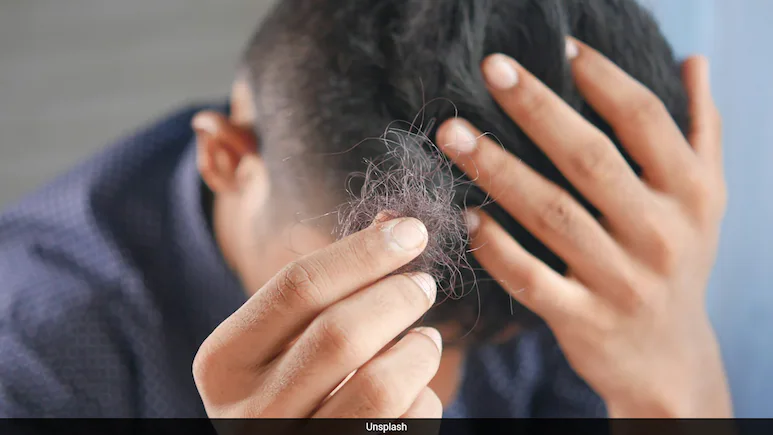
A medicine used to treat arthritis has shown promising results in people with severe alopecia areata, an autoimmune condition that causes significant hair loss. Alopecia areata happens when the immune system mistakenly attacks the hair follicles. However, existing treatments do not work for everyone, and there are limited options for some patients, including teenagers.
The follicles are not usually permanently damaged, which means hair can grow back if the immune attack is brought under control.
Promising Results for Upadacitinib in Treating Alopecia Areata
Researchers have conducted two large Phase 3 clinical trials to evaluate the efficacy of upadacitinib, an anti-inflammatory medication currently used to treat specific types of arthritis, in patients with severe alopecia areata. The findings revealed that participants receiving upadacitinib experienced significantly better outcomes compared to those on a placebo.
The short-term safety profile of the drug also appeared favorable, with serious side effects reported in only a small number of participants. However, the trials only lasted for 24 weeks, leaving gaps in understanding the long-term effects and safety of upadacitinib for those with alopecia areata.
Further Research Needed on Upadacitinib for Alopecia
The recent trials for upadacitinib, a drug developed by AbbVie, were funded and co-designed by the company, with some researchers associated with AbbVie. While the study has undergone independent peer review, additional research is essential to evaluate the drug’s effectiveness compared to current alopecia treatments and a placebo.
