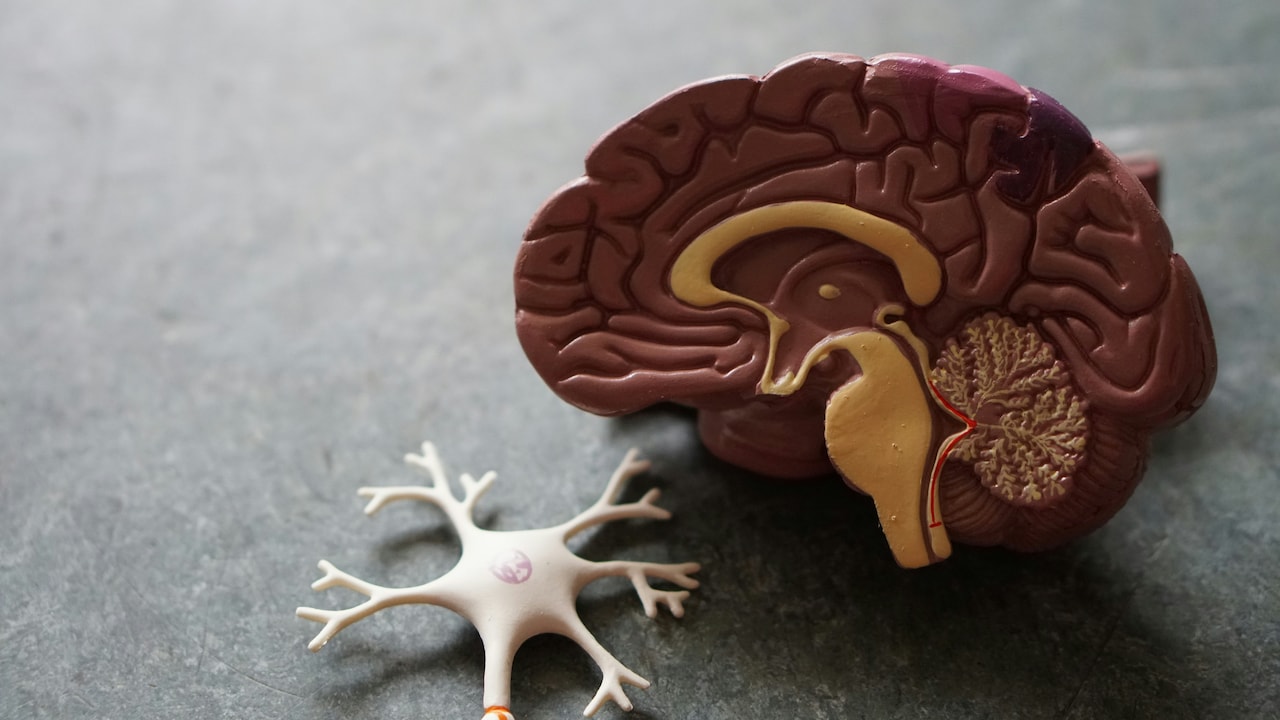
Researchers at Harvard University have achieved a historic breakthrough by keeping lab-grown human brain tissue alive and maturing for seven years. Known as brain organoids, these tiny, peppercorn-sized clumps of cells offer an unprecedented look into how the human mind develops over a long period of time. The study was published in Nature last Wednesday.
They have smashed the previous record of 694 days.
Study Reveals Human Brain Organoids Track Time and Development
Recent research shows that human brain organoids can record the passage of time by responding to internal milestones. The study highlights that these organoids utilize similar epigenetic mechanisms as the human brain during postnatal development. This discovery offers valuable insights into periods of brain development that have been difficult to study in humans.
By refining the nutrient solution to support natural cellular signals, the research team kept over one million brain cells thriving and firing electrical signals for years. For the monitoring, the scientists used DNA methylation profiling, which is a chemical process that happens during development. Instead of stalling, their internal genetic clocks kept ticking forward, perfectly mirroring the developmental stages of a human brain from early pregnancy into early childhood.
What makes this discovery truly remarkable is that these miniature brains recorded the “passage of time”.
The study has become a major milestone, as previously, scientists struggled to keep brain organoids alive past a few months, and they could only study the early embryonic development.